In downhole oil drilling operations, changes in drilling drag and torque directly affect drilling efficiency, drill string service life, and downhole safety. As a key component of the drill string assembly, stabilizers regulate axial drag and rotational torque through proper structural design and placement. A clear understanding of stabilizer working mechanisms in downhole conditions helps optimize bottom hole assembly design and improve drilling performance in complex wells.

Downhole Causes of Drilling Drag and Torque
Drilling drag mainly originates from bit rock-cutting resistance, friction between the drill string and the wellbore, and additional loads caused by changes in well trajectory. Torque is closely related to bit cutting resistance, rotational friction along the drill string, and irregular wellbore contact. Excessive drag and torque can lead to drill string fatigue, tool failure, or stuck pipe incidents.
In long sections, deviated wells, and horizontal wells, increased contact length between the drill string and the wellbore intensifies friction effects, placing higher demands on stabilizer control capability.
Load Distribution Role of Stabilizers in the Drill String
Stabilizers maintain the drill string in a more centralized position within the wellbore through controlled contact with the borehole wall. This alters the natural bending behavior of the drill string, allowing axial and rotational loads to be distributed more evenly, which directly influences drag and torque behavior.
By limiting lateral movement, stabilizers reduce ineffective contact areas and provide the drill bit with a more stable working attitude, contributing to lower energy loss during drilling.
Stabilizer Mechanisms for Controlling Drilling Drag
Under properly designed installation conditions, stabilizers effectively reduce additional drag generated during drilling. Their control effect is mainly reflected in changes to downhole contact conditions and drill string force structure.
Reducing extra friction caused by drill string bending
Lowering the likelihood of continuous wall contact
Improving wellbore quality and minimizing drag from irregular hole geometry
Enhancing axial load transfer efficiency to the drill bit
When stabilizer quantity and positioning are properly designed, axial movement of the drill string becomes smoother, supporting stable weight-on-bit transmission.
Stabilizer Influence on Drilling Torque Regulation
Abnormal increases in drilling torque are often associated with restricted drill string rotation and intensified wall friction. By improving spatial positioning of the drill string, stabilizers have a clear impact on torque behavior.
Reducing rotational friction area between drill string and wellbore
Limiting torque fluctuations caused by localized sticking points
Improving load balance at the drill bit to reduce cutting resistance
Minimizing the effect of self-excited vibration on torque
In directional and horizontal sections, spiral stabilizers promote rolling contact behavior, which helps control rotational resistance.
Impact of Stabilizer Design on Drag and Torque
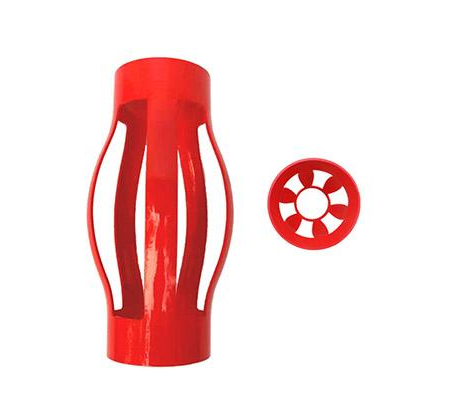
Different stabilizer designs perform differently in controlling drilling drag and torque. Integral stabilizers offer high rigidity and suit sections requiring strong wellbore stability. Replaceable sleeve stabilizers support long drilling campaigns due to easier maintenance. Spiral stabilizers improve friction behavior through specialized blade geometry.
Design suitability directly determines stabilizer effectiveness in downhole load distribution and friction management.
Relationship Between Stabilizer Placement and Control Performance
Stabilizer placement within the drill string strongly influences drag and torque control. Near-bit stabilizers enhance bit guidance and reduce uneven cutting load transfer. Mid-string stabilizers manage overall drill string stiffness and limit large-scale bending. Upper stabilizers improve rotational stability.
Stabilizer spacing affects continuity of load transfer
Improper placement may cause localized load concentration
Drill string stiffness variation influences friction distribution
Optimized placement enables improved drag and torque control across different well sections.
Influence of Downhole Conditions on Stabilizer Performance
Formation hardness, trajectory changes, and hole enlargement conditions all affect stabilizer control capability. In highly abrasive formations, blade wear accelerates, altering contact behavior and reducing effectiveness. Complex wellbore geometry may cause uneven wall contact, increasing localized friction.
Regular evaluation of stabilizer wear, combined with adjustments based on downhole conditions, helps maintain effective control performance.
Practical Significance for Drilling Efficiency
Effective use of stabilizers to control drilling drag and torque stabilizes drilling parameters, reduces unplanned downtime, and lowers non-productive time. Stable load transfer improves bit rock-breaking efficiency, reduces drill string fatigue risk, and provides reliable technical support for safe and efficient downhole oil drilling operations.