
Retaining rings, as common fastening components in mechanical equipment, downhole tools, and industrial assemblies, serve to position, limit axial movement, and secure parts. However, under long-term operation, complex working conditions, or improper installation, retaining rings may experience loosening, deformation, wear, and other failures. Failure to identify and address these issues promptly can not only affect equipment stability but also cause more serious mechanical damage.
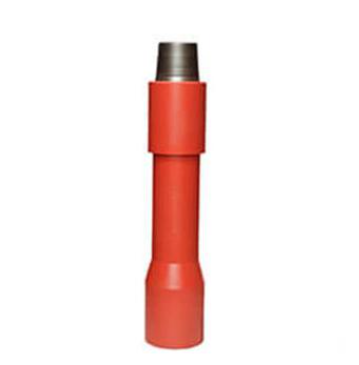
Common Structural Failures of Retaining Rings
Retaining Ring Deformation Leading to Failure: Retaining rings are prone to deformation when subjected to long-term stress impact, excessive installation force, or excessive axial load. A deformed retaining ring cannot accurately engage in the groove, leading to reduced positioning effectiveness or even complete detachment. This type of problem often occurs in high-load, high-frequency operating equipment. If deformation occurs, the machine should be stopped immediately and the retaining ring replaced. The corresponding shaft groove should be checked for wear or dimensional abnormalities to prevent recurrence.
Retaining Ring Fracture Causing Part Dislocation: Retaining rings are usually made of metal, but if the material is fatigued, stress-concentrated, or corroded, it may fracture under stress. Fracture problems are often difficult to detect, but once completely detached, they directly lead to component loosening and slippage. This type of failure must be addressed immediately. It is recommended to replace the retaining ring with a high-quality, fatigue-resistant one, and if necessary, choose a reinforced or stainless steel material to improve durability and safety.
Potential Failures Caused by Retaining Ring Installation
Insufficient Installation Depth Causing Loosening: The retaining ring must be precisely inserted into the dedicated groove; otherwise, even if it appears to be installed correctly, it may still slip under stress. Common causes include improper tool use and dust accumulation in the shaft groove leading to inaccurate positioning. The quick solution is to clean the shaft groove and reinstall using professional pliers, ensuring the retaining ring is fully fitted to the bottom of the groove.
Using Incompatible Models Causing Jamming: Different retaining rings have different thicknesses, outer diameters, and locking structures. If the model is incompatible, it may result in loose locking, wobbling, or even complete inability to install. In this case, immediately replace it with a model that perfectly matches the shaft groove dimensions to avoid equipment damage due to poor fit during operation.
Operating Environment-Related Failures
Corrosion causing surface damage to the retaining ring: Using ordinary carbon steel retaining rings in humid, acidic, alkaline, or corrosive liquid environments is prone to rust and corrosion pitting, ultimately affecting clamping force. For this type of failure, retaining rings should be replaced immediately with stainless steel or those with an anti-corrosion coating to ensure stable performance even in harsh environments.
Accelerated wear leading to loosening: Long-term high-speed operation of the equipment causes frequent fretting between the retaining ring and the shaft groove, potentially leading to metal wear and gradual loosening of the retaining ring’s clamping joint. A quick solution is to simultaneously check the wear of both the retaining ring and the shaft groove, performing overall maintenance if necessary. If the shaft groove is severely worn, the relevant parts must be repaired or replaced.
Conclusion
Although retaining rings have a simple structure, they play a crucial role in positioning and securing equipment during operation. In case of failure, a comprehensive investigation should be conducted, considering structural, installation, and environmental factors. Timely replacement, proper installation, or improved operating conditions can ensure safe and stable equipment operation. Mastering these quick troubleshooting methods can significantly reduce downtime and extend the overall lifespan of the mechanical system.