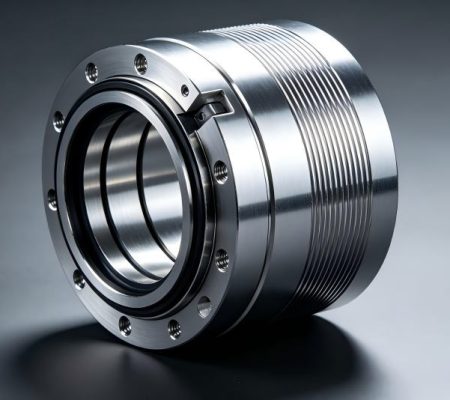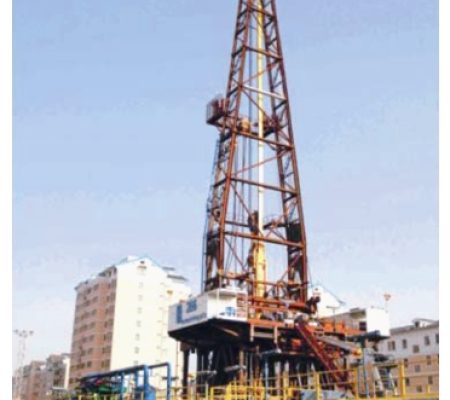
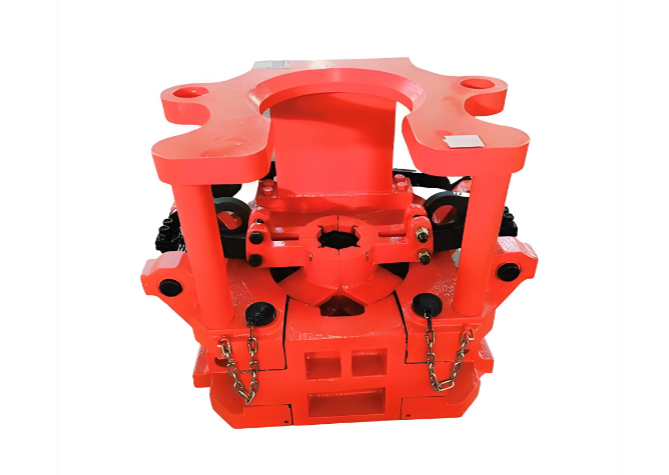
Wellhead tools play a critical role in securing and sealing oil well equipment. The fastening condition of these tools directly affects operational safety and equipment lifespan. However, fastening failures are common in practice, potentially causing operational interruptions, equipment damage, or safety incidents. Therefore, understanding how to troubleshoot and repair fastening failures is essential. This article provides a detailed guide covering causes, troubleshooting methods, and repair techniques.

Common Causes of Fastening Failures
Fastening failures in wellhead tools can result from various factors:
Bolt or Nut Quality Issues: Inferior or non-standard fasteners can break or loosen under pressure or vibration.
Incorrect Installation Torque: Insufficient torque can lead to loose bolts, while excessive torque may damage threads or break bolts.
Corrosion or Wear on Tool Surfaces: Long-term exposure to drilling mud, saltwater, or high-temperature/high-pressure environments can cause surface wear or corrosion, reducing fastening effectiveness.
Improper Operation: Operators not following standard procedures or using inappropriate tools can also cause fastening failures.
Troubleshooting Methods
Systematic troubleshooting is necessary to identify the root cause of fastening failures. Common methods include:
Visual Inspection: Check bolts, nuts, washers, and critical connections for looseness, cracks, or corrosion.
Torque Testing: Use a calibrated torque wrench to verify that bolt torque meets specified standards.
Vibration and Load Analysis: Monitor operational vibrations and loads to detect abnormal stress on fasteners.
Historical Records Comparison: Review operation logs, maintenance records, and replacement history to identify recurring fastening issues.
Repair Techniques
Once the cause of fastening failure is identified, targeted repair measures can be implemented:
Replace or Reinforce Fasteners: Replace damaged or substandard bolts and nuts, then retighten according to specifications.
Control Installation Torque: Ensure proper torque using calibrated torque wrenches to avoid over-tightening or under-tightening.
Anti-Corrosion and Lubrication Treatments: Apply corrosion protection or specialized lubricants to threads and contact surfaces to improve wear resistance and fastening stability.
Operator Training: Enhance operator skills to ensure fastening is performed correctly using appropriate tools and procedures.
Preventive Measures
Preventing fastening failures is as important as repair. Using high-quality fasteners, conducting regular inspections, optimizing operational workflows, and recording critical torque parameters can effectively reduce the risk of fastening failures.
Conclusion
Fastening failures of wellhead tools can lead to serious consequences, making timely troubleshooting and repair essential. By controlling fastener quality, managing torque, applying anti-corrosion treatments, and providing operator training, fastening problems can be resolved, tool lifespan extended, and operational safety and efficiency improved. Scientific and standardized fastening management is a key factor in ensuring stable wellhead operations.