
Centrifuges are common equipment in laboratories, industrial settings, and medical settings. They separate solid, liquid, or gaseous components in samples through high-speed rotation. Many people see centrifuge tubes spinning rapidly inside the machine and ask: Do centrifuges need to be sealed? The answer isn’t a simple ‘yes’ or ‘no,’ but rather depends on the intended use, the type of sample, and safety requirements. Sealing can prevent sample leakage, reduce contamination, and protect operators, but it can also affect machine heat dissipation and ease of maintenance.
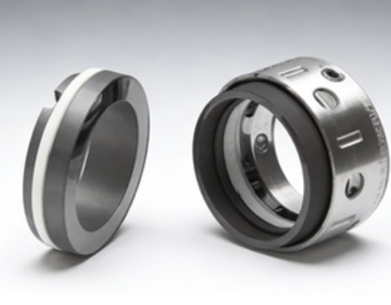
What is the purpose of sealing?
Preventing sample leakage: If samples leak during operation, they can contaminate the centrifuge chamber and the surrounding environment, especially biological samples or hazardous chemicals, with serious consequences.
Protecting operator safety: For biohazardous or toxic samples, sealing reduces the escape of aerosols or volatiles from the air, lowering the risk of infection or poisoning.
Avoiding cross-contamination: When processing multiple samples, sealing reduces cross-contamination between samples, ensuring reliable experimental results.
Controlling odor and volatilization: For samples containing volatile solvents or strong odors, sealing can reduce the diffusion of odors and volatiles in the centrifuge chamber. II. When is sealing mandatory?
Pathogenic microorganisms and biological samples:Blood, pathogenic bacteria, and virus samples processed in hospitals and biochemical laboratories generally require the use of biosafety boxes or sealed rotors.
Toxic/corrosive chemicals:Strong acids, strong alkalis, and toxic organic solvents should be handled in a sealed environment or under ventilated conditions during centrifugation.
Volatile or aerosol-forming samples:Samples that may generate aerosols require sealing to prevent aerosol diffusion.
High-speed, high-load operation:In the event of tube or fragment breakage during high-speed centrifugation, sealing can reduce secondary damage caused by flying debris.
What are some common sealing methods?
Rotor cover and rotor seal:Most centrifuges are equipped with rotor covers, which must be properly tightened before operation. A good rotor cover can withstand the centrifugal force generated by high-speed centrifugation.
Sealed tube trays (sealed rotors):Some rotors are designed as sealed chambers, suitable for handling hazardous samples.
Sealed centrifuge chamber/outer shell:Some high-safety-level equipment has a complete sealed outer shell, combined with a vacuum filtration or negative pressure system to reduce the risk of leakage.
Disposable sealed centrifuge tubes and sealing rings: Using centrifuge tubes with stoppers and adapters with sealing rings can also reduce the risk of leakage.
Risks and Precautions for Improper Sealing
Heat dissipation issues: Complete sealing may affect the heat dissipation of the equipment, causing the motor or bearing temperature to rise and shortening its service life.
Pressure buildup: If there are volatile solvents in the confined space, pressure or flammable gases may be generated; attention should be paid to ventilation and explosion prevention.
Complex maintenance: The sealing structure is more complex, requiring more meticulous inspection and cleaning; neglecting maintenance will allow dirt and grime to accumulate.
Aging of seals: Rubber rings, gaskets, etc., will age; regular inspection and replacement are important.
Installation and Daily Maintenance Recommendations
Before starting the machine, check the rotor, cover, and sealing rings for damage; replace immediately if cracked or deformed.Tighten the rotor cover correctly according to the manufacturer’s instructions; do not overtighten or undertighten.Use centrifuge tubes and seals compatible with the samples to avoid chemical corrosion leading to leakage.Clean the centrifuge chamber and rotor regularly; promptly address and record any contamination found.
When handling hazardous samples, prioritize equipment with biosafety or closed-system designs, and adhere to laboratory ventilation/waste disposal protocols. Ensure proper equipment cooling and ventilation; do not obstruct necessary cooling due to sealing.
For ordinary non-toxic samples, routine teaching, or general physical separations, standard rotor covers and standard operating procedures are often sufficient. However, when handling biohazards, toxic chemicals, volatile substances, or high-risk, high-speed scenarios, more stringent sealing measures or dedicated closed-system centrifuges must be employed. The primary purpose of sealing is to protect sample integrity and operator safety, but attention must also be paid to potential heat dissipation, pressure, and maintenance issues arising from sealing. In practice, the appropriate sealing method should be selected based on sample properties, laboratory safety level, and manufacturer instructions, and routine inspections, cleaning, and seal replacement should be performed. Sealing is necessary where there is risk; routine procedures can be followed where there is no risk. However, in either case, correct operation, regular maintenance, and adherence to safety protocols are the most important protective measures.