In oil and gas wellhead operations, the elevator link is a critical type of wellhead tool. It is used to connect elevators, hooks, and lifting equipment, playing a key role during drilling, tripping, and casing operations. Due to long-term exposure to heavy loads, repeated lifting cycles, and harsh working conditions, elevator links are prone to wear. Without proper prevention and maintenance, wear can reduce service life and increase safety risks. Understanding effective wear prevention and maintenance practices is essential for safe and efficient wellhead operations.
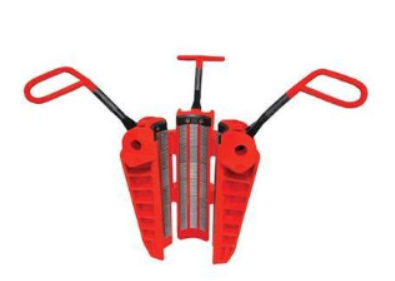
Working Characteristics of Elevator Links in Wellhead Operations
Elevator links operate under continuous tensile load, impact forces, and variable stress directions. During drilling and well servicing, they are repeatedly loaded and unloaded while supporting heavy tubular strings. In addition, wellhead environments often contain drilling fluids, moisture, oil residue, and abrasive particles, all of which accelerate surface wear and material degradation.
These demanding conditions make wear unavoidable, but the rate and severity of wear depend heavily on proper usage, installation, and maintenance practices.
Common Wear Areas and Causes
Wear on elevator links typically occurs at specific high-stress locations. The primary wear area is the load-bearing contact surface where the elevator link connects with elevators or other lifting components. Continuous friction and pressure can gradually reduce material thickness or cause surface deformation.
Another critical area is the pin holes and connecting joints. Repeated movement under load can enlarge holes, increase clearance, and weaken structural integrity. In corrosive environments, surface protection layers may deteriorate, allowing corrosion to accelerate metal loss and fatigue.
The main causes of wear include overload operation, improper installation, insufficient lubrication, and inadequate cleaning after use. These factors often combine to shorten the operational life of the elevator link.
Effective Methods to Prevent Elevator Link Wear
The most important step in wear prevention is strict adherence to the rated working load. Avoiding overload and uneven loading significantly reduces stress concentration and slows down wear development.
Correct installation is equally critical. Elevator links must be properly aligned with other wellhead tools to ensure balanced force distribution. Misalignment can lead to localized stress and abnormal friction, accelerating wear.
Regular inspections should be conducted to identify early signs of wear, deformation, or cracking. Early detection allows corrective action before damage becomes critical.
Daily Maintenance Practices for Elevator Links
Routine maintenance plays a vital role in extending the service life of elevator links. Lubrication of moving and contact areas reduces friction and minimizes metal-to-metal wear, especially in high-frequency lifting operations.
Surface cleaning is also essential. Removing drilling mud, sand, and debris after each operation helps prevent abrasive wear and corrosion. Clean surfaces make inspections more effective and reduce long-term damage.
Storage conditions should not be overlooked. Elevator links should be stored in a dry, well-ventilated environment to minimize corrosion during idle periods. Proper storage helps maintain material strength and dimensional stability.
Inspection and Wear Monitoring
Regular visual inspections should focus on cracks, deformation, surface wear, and changes in key dimensions such as pin hole diameter. Any elevator link showing excessive wear or structural damage should be removed from service immediately.
For operations with frequent lifting cycles, maintaining usage and inspection records is highly recommended. Tracking service history makes it easier to predict wear trends and plan timely replacements, reducing the risk of unexpected failures.
Conclusion: Proper Maintenance Ensures Safe Wellhead Operations
Although elevator links have a relatively simple structure, they are essential load-bearing components in wellhead lifting systems. Wear prevention and proper maintenance directly impact operational safety and equipment reliability. By following correct load limits, performing regular inspections, maintaining cleanliness and lubrication, and storing elevator links properly, operators can significantly extend service life and ensure safe, efficient wellhead operations.