In oil and gas drilling operations, wellhead pressure control is directly related to operational safety and construction stability. When downhole pressure rises abnormally, failure to promptly implement sealing control can easily lead to dangerous situations such as blowouts and leaks. As a core component of the well control system, the blowout preventer (BOP) is primarily used to quickly seal the wellhead, control downhole pressure, and prevent oil and gas leakage. Modern BOPs place greater emphasis on sealing performance, response speed, and adaptability to high-pressure conditions, maintaining stable operation in complex drilling environments, thus playing a crucial role in wellhead sealing control.
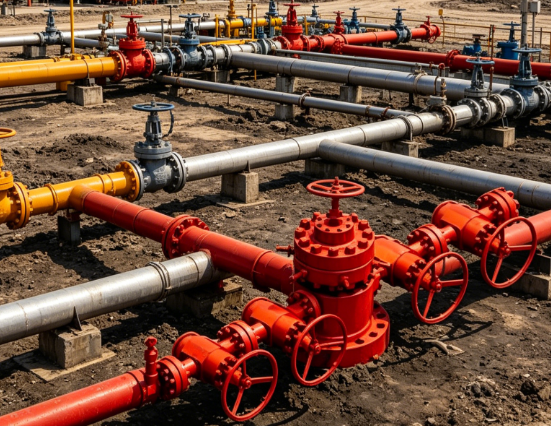
Rapid Wellhead Sealing and Abnormal Pressure Control
When downhole pressure is abnormal, timely well sealing operations are necessary. The BOP can quickly close the wellhead passage through its hydraulic control system, reducing the risk of pressure leakage and rapidly forming a sealing barrier in the event of a sudden blowout, ensuring on-site construction safety. Simultaneously, its rapid response capability reduces equipment damage caused by escalating accidents and improves the stability of the entire well control system. This rapid sealing and pressure control capability is a vital foundation for ensuring safe drilling operations.
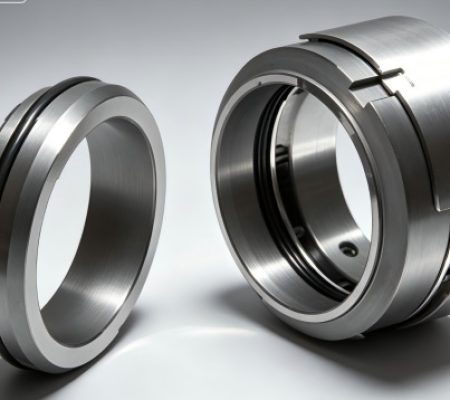
Stable Isolation Through Sealing Structure
The effectiveness of wellhead sealing is closely related to its sealing performance.
- Stable Isolation Through Sealing Structure: Blowout preventers (BOPs) create a reliable seal between the drill pipe and the wellhead using a gate or annular sealing structure.
- They maintain a stable seal even under high pressure, reducing leakage.
- Good sealing performance also improves the overall stability of the well control system.
This sealing structure provides crucial protection for safe operations.
In conjunction with a hydraulic system, they improve control efficiency
Well control equipment requires rapid and precise operation.
- Blowout preventers are typically used in conjunction with hydraulic control devices to enable remote or automated operation.
- A stable hydraulic system improves the speed and reliability of the sealing action.
- Automated control methods also reduce human error and improve on-site response efficiency.
This control capability effectively enhances wellhead management.
Adapting to complex conditions and ensuring continuous operation
Drilling environments are complex, placing high demands on equipment performance.
(1)Blowout preventers need to withstand high downhole pressure and continuous operational loads for extended periods.
- The equipment is manufactured using high-strength, pressure-resistant materials to improve overall load-bearing capacity.
- They maintain stable operation even under high load conditions.
(2)Improving operational stability in harsh environments.
- Blowout preventers (BOPs) possess excellent corrosion resistance, reducing the impact of the environment on the equipment.
- A stable structural design reduces the risk of failure under complex operating conditions.
(3)They enhance equipment durability and long-term reliability.
- Good wear resistance and impact resistance reduce component wear.
- Proper maintenance extends equipment lifespan and reduces downtime frequency.
In modern drilling engineering, BOPs are not only an important component of well control equipment but also a key device ensuring safe wellhead operation. From rapid well sealing to stable sealing, and from hydraulic control to adaptation to complex environments, their role is crucial throughout the entire well control process. Through proper selection and standardized operation, blowout risks can be effectively reduced, drilling safety can be improved, and more reliable protection can be provided for oil and gas development projects.