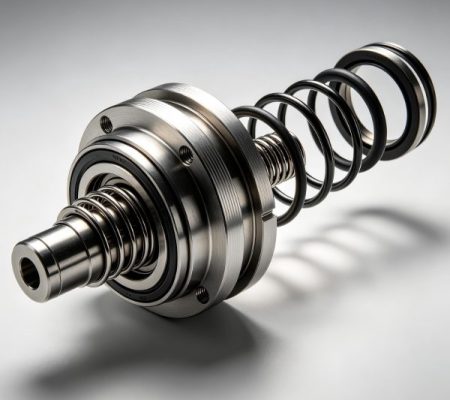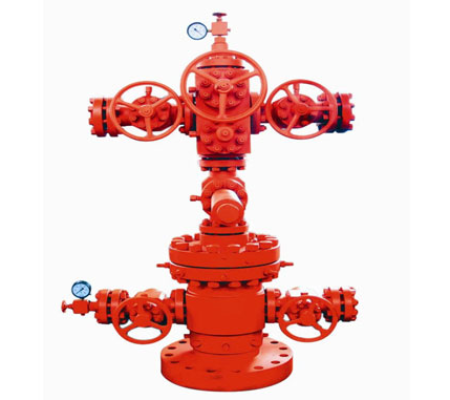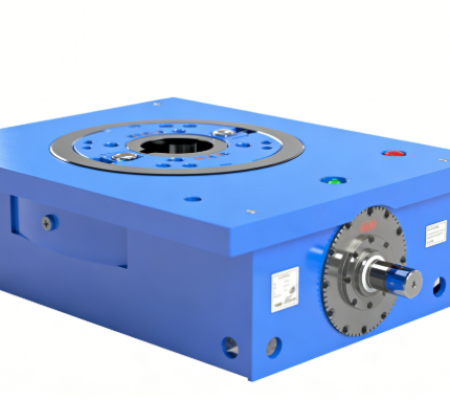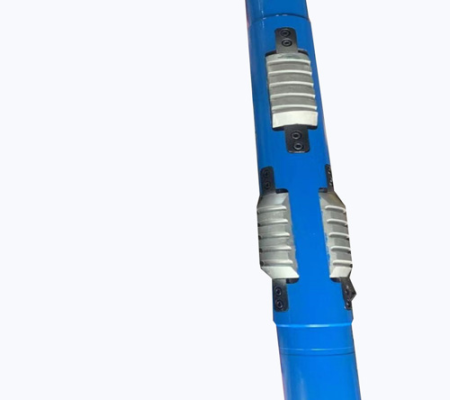
In downhole operations, the compatibility and applicability of different equipment directly determine construction efficiency, safety, and the overall cost for the company. Therefore, when selecting downhole equipment for your company, such as clamps, hydraulic blasting machines, stabilizers, and cement heads, you must comprehensively consider factors such as needs, performance, brand, and after-sales service. Choosing the right equipment can not only reduce failure rates but also optimize work processes and improve project economic benefits. Below, we’ll guide you through three key aspects of selecting the right equipment for your company.

Determine if the equipment type matches your operational needs
The first step in selecting downhole equipment is to clearly define your operational scenario and construction requirements. Different equipment has unique functions. For example, clamps are mainly used for clamping and rotating tubing strings, suitable for scenarios involving frequent gripping and handling; hydraulic blasting machines are more geared towards cleaning, rust removal, and downhole tubing wall treatment; stabilizers are used to control the stability of drilling tools; and cement heads are used for cementing operations.
When selecting equipment, you should assess its suitability for complex operating conditions based on the operating depth, pressure environment, pipe diameter, and downhole media. Especially in high-temperature, high-pressure, or corrosive fluid environments, you should focus on the equipment’s reinforcing materials, sealing performance, and pressure-bearing design to ensure reliability under heavy loads.
Compare Equipment Performance, Structural Design, and Durability
Once you have a basic understanding of the equipment type, the next step is to further screen based on performance. Downhole equipment is a high-intensity consumable; wear resistance, pressure resistance, and high stability are paramount.
For example, when selecting clamps, you need to check their clamping force, torsional strength, and whether they use thickened, wear-resistant claws; when choosing a hydraulic blasting machine, focus on blasting pressure, nozzle life, seal durability, and ease of maintenance; when selecting a stabilizer, check if its material is a wear-resistant alloy and if the blade design is robust; for cement heads, consider whether their pressure rating, internal sealing structure, and connection method match your tubing system.
In addition, you should pay close attention to details such as whether the equipment supports quick disassembly and assembly, ease of cleaning, and easy replacement of consumables. These factors directly impact the efficiency of later operations and the company’s maintenance costs. Higher stability and durability help reduce long-term expenses.
Make a comprehensive decision based on brand reputation, after-sales support, and budget.
Finally, you must not overlook brand strength and after-sales service when choosing downhole equipment. Equipment malfunctions can not only affect construction progress but also lead to cost losses. Therefore, you need to choose equipment manufacturers with industry experience and high technological maturity.
Reputable brands typically provide detailed technical parameters, material specifications, lifespan assessments, and safety standard certifications. You can use this information to determine the reliability of the equipment. Furthermore, strong after-sales service makes equipment installation, commissioning, maintenance, and consumable replacement much easier.
Budget is also a crucial factor. You should choose the product with the highest cost-performance ratio within your company’s budget, rather than blindly pursuing the lowest price. Cheap equipment often has shortcomings in durability and stability, which can increase maintenance costs later. Balancing performance quality with budget is the most reasonable decision-making approach for the company’s long-term operation.