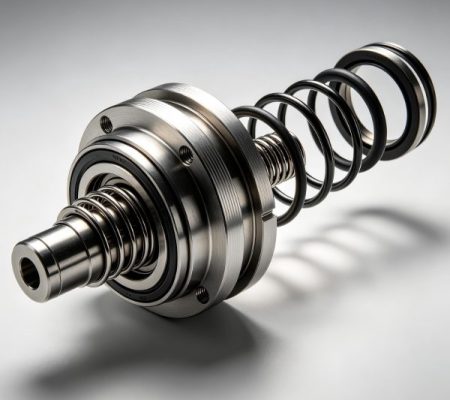
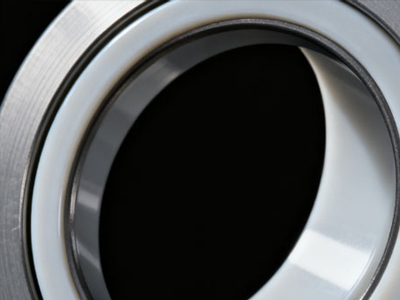
Mechanical seals are a common sealing method in modern industry, widely used in pumps, compressors, reactors, and other equipment. Their main function is to prevent fluid leakage and ensure the safe and efficient operation of equipment. However, under high temperature and high pressure environments, the performance of mechanical seals faces even more severe challenges. High temperatures can cause aging and deformation of sealing materials, while high pressure increases the burden on the seal and may even lead to seal failure. Therefore, ensuring the performance of mechanical seals under high temperature and high pressure environments has become a key issue in industrial design and application. This article will discuss how to ensure the stability and reliability of mechanical seals under harsh operating conditions from the aspects of material selection, design optimization, installation, and maintenance.
Material Selection and Performance Matching
The material of a mechanical seal directly determines its durability and performance under high temperature and high pressure. To ensure the long-term stability of the seal, appropriate materials must be selected according to the requirements of the working environment.
Selection of High-Temperature Materials
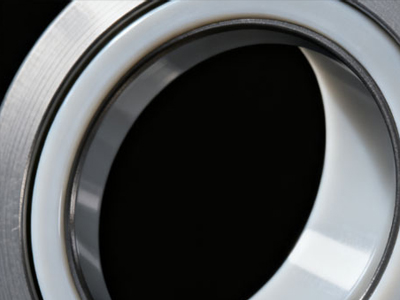
In high-temperature environments, the material of the sealing component needs to have excellent high-temperature resistance. Commonly used high-temperature materials include silicon carbide (SiC), alumina (Al₂O₃), ceramics, and high-temperature resistant metal alloys. These materials possess high melting points and thermal stability, enabling them to maintain structural stability under high-temperature conditions.
Selection of High-Pressure Materials
High-pressure environments require sealing materials to possess not only temperature resistance but also sufficient strength and hardness. Metallic materials such as stainless steel and high-alloy steel are commonly used in high-pressure conditions, as they can withstand significant internal and external pressures. Furthermore, high-pressure resistant elastic sealing materials, such as fluororubber and polytetrafluoroethylene (PTFE), are often used as auxiliary materials for seals to enhance sealing performance.
Application of Composite Materials
To cope with extreme working conditions, an increasing number of composite materials are being used in mechanical seals. For example, carbon/graphite composites, ceramics, and polymer composites can provide excellent sealing performance under high-temperature and high-pressure environments.
Design Optimization and Structural Improvement
Besides selecting suitable materials, the design and structure of mechanical seals also play a crucial role in their performance under high-temperature and high-pressure environments.
Sealing Structure Design
Under high-temperature and high-pressure environments, the design of the seal must ensure that it can withstand thermal expansion and compressive deformation. Common design improvements include using double-end mechanical seals or static seal designs to improve sealing reliability and the uniformity of sealing surface contact. Furthermore, employing multi-layer sealing structures or lubrication systems can effectively reduce the impact of high pressure and high temperature.
Rational Control of End Face Contact Pressure
When designing mechanical seals, end face contact pressure is a key factor determining sealing performance and lifespan. In high-temperature and high-pressure environments, excessive end face contact pressure can easily damage the sealing surface; conversely, insufficient contact pressure may lead to leakage. Therefore, rationally controlling the contact pressure and regulating the end face temperature through the lubrication system is an important design consideration to ensure sealing performance.
Improvement of Dynamic Sealing Performance
In high-speed operating equipment, the sealing surface experiences significant dynamic loads, requiring the sealing structure to have good self-adjusting capabilities. For example, using self-adjusting rings or elastic seals can automatically adjust the sealing surface contact pressure during mechanical operation, maintaining sealing effectiveness.
Installation and Maintenance
Even with excellent materials and design, improper installation and maintenance of the mechanical seal can affect its performance in high-temperature and high-pressure environments. Therefore, correct installation and regular maintenance are necessary conditions to ensure the long-term stable operation of the mechanical seal.
Installation Precautions
When installing a mechanical seal, ensure the sealing surface is clean and undamaged. The seal surface must undergo rigorous inspection and cleaning. Furthermore, pay attention to the fit accuracy between the seal and the sealing groove during installation to avoid seal failure due to improper installation.
Lubrication System Commissioning and Maintenance
In high-temperature and high-pressure environments, lubrication is crucial for reducing friction and extending seal life. Regularly inspect the lubrication system to ensure the lubricating oil temperature and pressure are within reasonable ranges, effectively preventing overheating or dry friction of the sealing surface. Additionally, the quality and cleanliness of the lubricating oil must be maintained at optimal levels to avoid impurities and contaminants affecting sealing performance.
Regular Inspection and Replacement
During long-term use, mechanical seals will gradually wear down due to factors such as temperature, pressure, and chemical media. Regularly inspecting the mechanical seal, including the sealing surface, springs, and lubricating oil, can promptly identify potential problems and prevent malfunctions. Simultaneously, timely replacement of sealing components based on their wear condition is also an important measure to extend equipment lifespan.
In high-temperature and high-pressure environments, the performance of mechanical seals is affected by a variety of factors. The selection of materials, optimization of seal design, and correct installation and maintenance all directly determine their long-term stable operation. Choosing high-quality materials resistant to high temperatures and pressures, rationally optimizing the seal structure, and conducting scientific installation and maintenance can effectively improve the performance of mechanical seals and ensure the safe and efficient operation of equipment. With continuous technological advancements and innovations in mechanical seal materials and designs, more reliable solutions will be provided for coping with even more extreme working environments, further enhancing the stability and durability of industrial equipment.