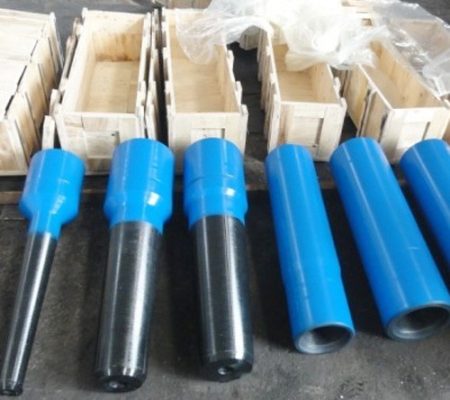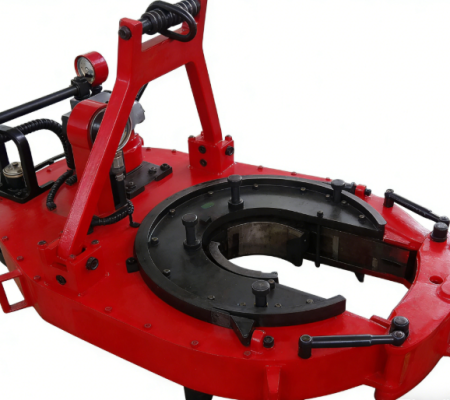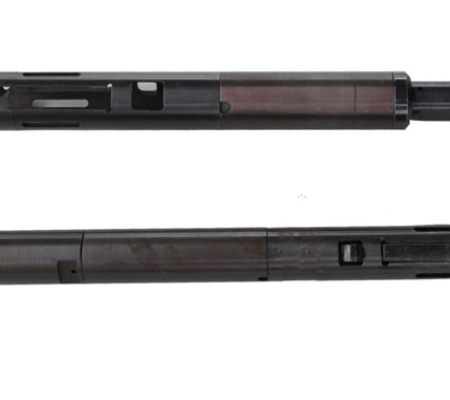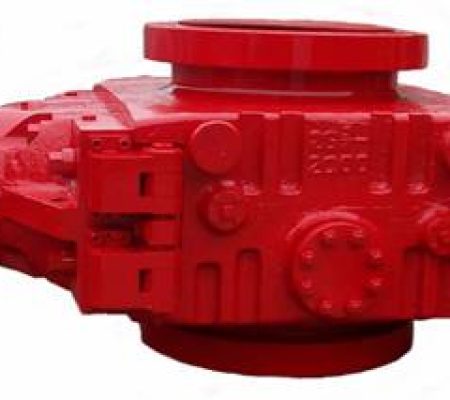
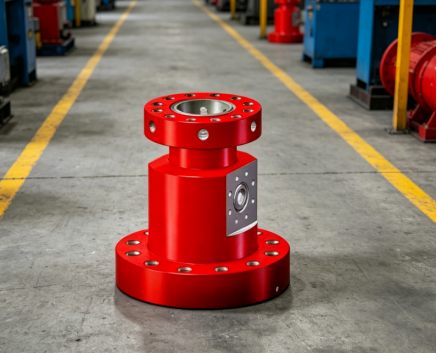
In oil and gas drilling operations, casing operations are a critical环节 (link/step), and the stable support and fixation of the casing directly affects on-site construction safety. Casing slipper, a commonly used tool at the wellhead, is primarily used to clamp and support the casing, preventing slippage during lifting or lowering. Because drilling sites typically involve heavy loads, high pressures, and complex conditions, unstable casing fixation can lead to equipment damage or even safety accidents. Its structure prioritizes clamping stability and wear resistance, ensuring reliable operation under high-intensity working conditions, thus providing crucial protection for construction safety.
Stable Casing Clamping, Reducing Slippage Risk
The casing needs to remain stable during wellhead operations.
- The casing slipper, through its conical structure and slipper design, provides a firm clamp to the casing, preventing slippage during operations.
- It maintains stable support even under heavy loads, reducing the safety hazards caused by sudden casing slippage.
This stable clamping capability is a vital foundation for ensuring construction safety.
Distributed Stress Structure, Enhancing Support Stability
Wellhead equipment bears significant loads over extended periods, requiring high structural stability.
- Casing slippage evenly distributes the weight of the casing, reducing equipment damage caused by excessive localized stress.
- Through rational structural design, it improves overall load-bearing capacity, making the construction process more stable.
This stress optimization effectively reduces the risk of equipment failure.
It improves operational efficiency and reduces human error risks
Complex operations often increase construction risks.
- Casing slippage is relatively easy to install and remove, reducing manual adjustment time and improving on-site operational efficiency.
- The stable clamping effect reduces errors and safety issues caused by frequent operations.
This efficiency improvement helps ensure a safer and smoother construction process.
It adapts to complex working conditions and enhances on-site reliability
Drilling site environments are complex, placing high demands on tool performance.
- Casing slippage is made of high-strength, wear-resistant materials, adaptable to high-load and frequent use environments.
- It maintains stable performance even under high temperature, high pressure, or harsh conditions, ensuring long-term operational safety.
This environmental adaptability enhances on-site reliability.
In modern drilling engineering, casing slippage is not only a simple support tool but also a crucial component for ensuring wellhead construction safety. From stable clamping and force optimization to efficiency improvement and adaptation to complex working conditions, its role is integral to the entire casing operation process. Through proper selection and standardized use, construction risks can be effectively reduced, on-site stability improved, and more reliable support provided for the safe and efficient operation of drilling projects.