
Mulch pumps are widely used in mining, metallurgy, chemical, construction, municipal, and environmental protection industries. Their main characteristics are high solid content, high particle hardness, strong abrasiveness and scouring properties of the transported medium, resulting in generally harsh operating conditions. Under these conditions, the mechanical seal not only plays a crucial role in preventing media leakage but also directly affects the continuous operation capability and on-site safety level of the equipment. Compared to pumps carrying clean media, slurry pump mechanical seals are more susceptible to wear, blockage, overheating, and abnormal vibration, thus requiring higher and more systematic maintenance. Practice shows that the failure of slurry pump mechanical seals is often not due to the design itself, but is closely related to inadequate operation management and untimely maintenance. Scientific and standardized maintenance can significantly extend the service life of the mechanical seal, reduce unplanned downtime, and decrease spare parts and repair costs.
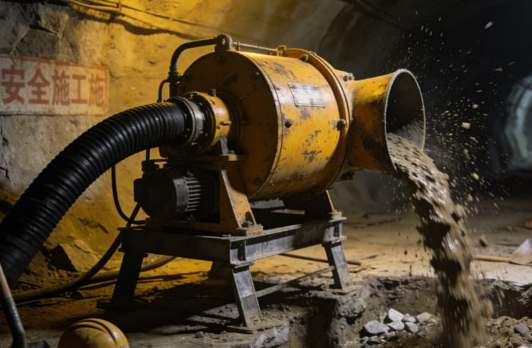
Maintain Good Flushing and Cooling Conditions
The large number of solid particles in slurry media is one of the main causes of mechanical seal wear and failure. Therefore, ensuring the normal operation of the flushing and cooling system is the primary requirement for maintaining the mechanical seal of a slurry pump. The flushing fluid for sealing should be kept clean, continuous, and stable to prevent sand- or mud-containing media from directly entering the sealing face area. The flushing fluid not only lubricates but also removes frictional heat and fine particles, preventing dry friction and abrasive wear on the face. Simultaneously, the flushing pipeline, valves, and filters should be regularly inspected to prevent blockages or insufficient flow. If flushing is interrupted, the mechanical seal may suffer severe damage in a short time due to overheating or particle intrusion.
Strict Control of Operating Conditions and Procedures
The mechanical seal of a mud pump is highly sensitive to operating conditions, and proper operating procedures must be strictly followed during maintenance. Operation of the pump without media or at low liquid levels should be avoided to prevent instantaneous dry friction on the sealing face due to lack of lubrication. Frequent starts and stops and abrupt fluctuations in operating conditions should be minimized. During startup and shutdown, the sealing face is most susceptible to transient high temperatures and uneven stress, making it a high-risk period for thermal cracking and abnormal wear. Smooth start-stop and gradual loading procedures help reduce the impact load on the sealing face and improve overall operational stability.
Regularly Inspect Seal Leaks and Operating Status
During routine maintenance, a system for inspecting the mechanical seal’s operating status should be established, focusing on leaks, temperature changes, and abnormal sounds. Slight, uniform, controllable leaks are normal under certain operating conditions, but a sudden increase in leakage or a splashing pattern should raise serious concerns about wear or damage to the seal face. Simultaneously, monitor for abnormal increases in the seal cavity temperature. Sustained high temperatures often indicate poor lubrication, insufficient flushing, or abnormal end-face friction. Early detection and timely intervention of these signs can effectively prevent sudden seal failure.
Maintain Cleanliness of the Seal Cavity and Surrounding Environment
The working environment of mud pumps typically involves significant dust and mud splashes. If not cleaned promptly, deposits can easily enter the sealing auxiliary system, affecting the normal operation of springs, auxiliary seals, and flushing channels. During maintenance, the exterior of the seal cavity and related accessories should be cleaned regularly to prevent mud clumping and drying, which can affect the flexibility of the sealing components. Maintaining a relatively clean environment around the seal helps delay the aging of auxiliary seals and improves the overall reliability of the mechanical seal.
Emphasize the Condition of Auxiliary Seals and Elastic Elements
The reliable operation of a mechanical seal depends not only on the end face itself but also on the auxiliary seals and elastic elements. Particles and chemical components in the mud medium can easily accelerate the aging and corrosion of rubber seals, springs, and other components. During maintenance, auxiliary seals should be regularly inspected for hardening, cracking, loss of elasticity, or jamming. If any abnormalities are found, they should be replaced promptly to avoid overall seal failure due to the failure of small components. Especially in equipment operating for long periods, preventative replacement is often more economical than reactive repair.
Standardize Inspection and Disassembly Procedures
When a mud pump requires inspection or replacement of its mechanical seal, the standardized procedures must be strictly followed. During disassembly and assembly, avoid striking or scratching the sealing end face to prevent human-caused damage that could affect sealing performance. Before installation, thoroughly clean the sealing components and installation area to prevent impurities from remaining; during installation, ensure proper alignment to avoid uneven stress on the sealing end face due to shaft eccentricity or misalignment. Standardized inspection and assembly are crucial for ensuring effective mechanical seal maintenance.
The maintenance of mechanical seals for mud pumps is a systematic and continuous process, far beyond simply ‘troubleshooting leaks.’ Due to the highly abrasive nature of mud media and its complex operating conditions, mechanical seals are more susceptible to particle erosion, poor lubrication, and cumulative heat loads. Therefore, higher demands are placed on flushing and cooling, operational management, and daily inspections. By maintaining stable and effective flushing conditions, standardizing operating procedures, regularly monitoring operating status, emphasizing cleaning and maintenance of auxiliary components, and strictly adhering to maintenance and repair specifications, the service life of mud pump mechanical seals can be significantly extended, and the failure rate and maintenance costs reduced. In short, scientific and meticulous maintenance is not only the foundation for ensuring the normal operation of mechanical seals but also a crucial prerequisite for ensuring the long-term, safe, and economical operation of mud pumps.