Decarbonization centrifuges are high-speed rotary separation equipment widely used in the chemical, pharmaceutical, environmental, and food industries. Their operating characteristics are “high speed + continuous feeding + dynamic separation.” Improper operation can easily lead to excessive vibration, material leakage, equipment damage, and even safety accidents. Therefore, “safe operation” is not an additional requirement, but a core principle throughout the entire lifecycle of the equipment.
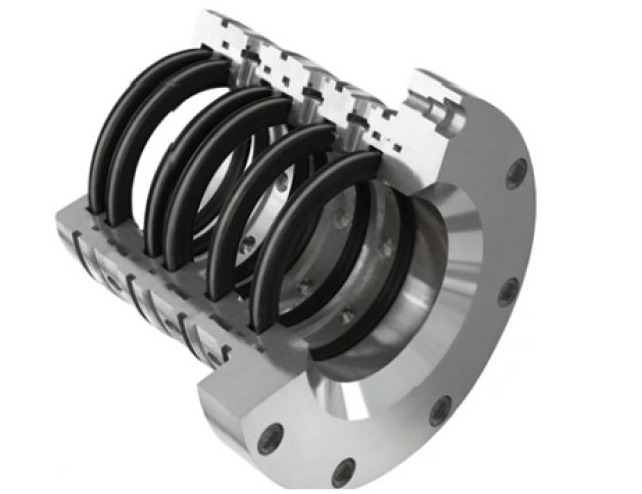
What is Safe Operation of a Decarbonization Centrifuge?
Safe operation of a decarbonization centrifuge refers to a complete set of operating procedures that control speed, feed, load, vibration, and sealing status through standardized steps throughout the entire process of equipment startup, operation, shutdown, and maintenance, thereby avoiding mechanical damage and process control failure.
Its safety risks mainly come from three aspects:
- The risk of high-speed rotational energy; the drum has extremely high kinetic energy when running at high speed.
- The risk of the medium; the processed materials may be corrosive, flammable, or high-temperature.
- The risk of mechanical structure, such as bearing failure, seal leakage, or drum imbalance.
Therefore, the core objective of safe operation is not simply “making the equipment run,” but ensuring that the equipment remains under control throughout its entire operating cycle.
Safe Operation Procedures
The safe operation process for a decarbonization centrifuge must be strictly divided into three stages: “before startup—during operation—after shutdown,” and none of these steps can be skipped.
- Pre-Start Safety Inspection
Before startup, a systematic inspection of the equipment must be conducted, including the electrical system, mechanical structure, sealing condition, and lubrication system. Key checks include ensuring there are no foreign objects inside the drum, that all fastening bolts are secure, that the safety guard is closed, and that the emergency stop button is functioning correctly. Simultaneously, check that the bearings are adequately lubricated, that the inlet and outlet pipelines are unobstructed, and that the control system parameters are zeroed or meet the set standards. The key to this stage is “preventative inspection,” as most safety accidents do not occur suddenly during operation but rather are due to pre-existing hazards.
- No-Load Start-up and Speed-Up Control
The equipment must first be run under no-load conditions. After confirming that the vibration values, noise levels, and speed-up curve are normal, the equipment can be gradually increased to its rated speed. The speed-up process must be smooth; rapid speed increases or abrupt speed adjustments are strictly prohibited, as these can easily cause momentary imbalances in the drum. Simultaneously, operators should monitor current changes in real time to determine if the load is abnormal.
- Formal Material Feeding and Operation Monitoring
Feeding must be slow, continuous, and uniform; sudden large-flow impacts on the equipment are prohibited. During operation, vibration levels, bearing temperature, separation efficiency, and drainage status must be continuously monitored. If abnormal vibration, noise, or incomplete separation occurs, the load should be immediately reduced or the machine stopped for inspection. The key to safe operation is “stable operation,” not “high-load operation.”
- Correct Shutdown Procedure
Before stopping the machine, feeding must be stopped first. After the material in the drum is basically emptied, gradually reduce the speed and stop the machine. Directly cutting off the power to stop the machine is strictly prohibited. After shutdown, check the internal components of the equipment for any residue and perform necessary cleaning to prevent material agglomeration or corrosion of the internal structure.
Why do these operations ensure safety?
The safety of a decarbonization centrifuge essentially depends on three major technical factors: “dynamic balance + operating condition control + structural matching.”
- Dynamic Balance Determines Operational Stability
The centrifuge drum is extremely sensitive to imbalance during high-speed rotation. Uneven feeding or internal scaling will disrupt the dynamic balance, amplifying vibrations. Vibration not only affects separation efficiency but also accelerates bearing wear and can even cause structural fatigue. Therefore, the emphasis on “uniform feeding” and “timely cleaning” in safe operation is essentially about maintaining dynamic balance.
- Vibration and Temperature are Core Safety Indicators
Vibration and temperature are two key parameters for judging the centrifuge’s operating status. Excessive vibration usually indicates imbalance or mechanical loosening, while abnormal temperature may indicate insufficient lubrication or bearing damage. Continuous monitoring of these two indicators in safe operating procedures is an important means of preventing sudden failures.
- Sealing System Determines Media Safety Boundaries
Decarbonization centrifuges often handle gaseous or corrosive media. If the seal fails, it will not only affect the separation efficiency but may also cause media leakage and even environmental risks. Therefore, the sealing system must operate within the specified pressure range and cannot be arbitrarily adjusted.
- Overload Protection and Interlocking Systems
Modern centrifuges are typically equipped with overload protection, vibration alarms, and temperature interlocking systems. If parameters exceed limits, the system will automatically reduce speed or shut down. Safe operation requires regular testing of these interlock functions to ensure they function effectively in emergencies, rather than being merely “useless.”
- Human Operation is the Biggest Variable
Many accidents are not due to equipment problems, but rather human error, such as skipping pre-inspections, operating at excessive speeds, or operating a faulty system. Therefore, safe operating procedures essentially “constrain human uncertainty.”
Why do materials affect safety?
Material selection directly determines the reliability of the decarbonization centrifuge during safe operation, especially for high-speed rotating parts and media contact components.
- The drum material must possess high strength and fatigue resistance
The drum is a core load-bearing component and must withstand the enormous centrifugal force generated by high-speed rotation. Therefore, duplex stainless steel, high-strength alloy steel, or specially reinforced materials are typically used. If the material strength is insufficient, fatigue cracks will develop during long-term operation, potentially leading to structural failure.
- Bearing materials determine operational stability
Bearings need to withstand high-speed rotation and radial loads over long periods, therefore they must possess high hardness, high wear resistance, and good thermal stability. Improper material selection can lead to overheating, accelerated wear, and even shaft seizure.
- Sealing Materials Affect Leakage Risk
Seals are typically made of materials such as fluororubber, perfluororubber, or PTFE. Different materials have significantly different temperature and chemical environment tolerances. If the wrong material is selected, it may age rapidly in corrosive media, leading to leakage risks.
- Internal Flow Channel and Contact Component Materials
Components in direct contact with materials must be corrosion-resistant and wear-resistant. For example, when handling acidic, saline, or high-viscosity materials, corrosion-resistant alloys or surface-strengthened materials should be selected to avoid localized damage causing safety hazards.
Common Problems
What are the most common causes of safety accidents in decarbonization centrifuges?
Most safety problems in decarbonization centrifuges are not due to “sudden equipment failure,” but rather the accumulation of a series of small problems, such as uneven feeding, overload operation, ignoring vibration changes, insufficient bearing lubrication, or aging seals. The most common problem is “operation with defects,” where the equipment has already shown abnormal signals, but the operator fails to address them promptly, continuing operation and ultimately causing the fault to escalate. Secondly, there’s the issue of “arbitrary operation,” such as failing to follow procedures for speeding up or stopping, which directly disrupts the equipment’s dynamic balance.
While a decarbonization centrifuge may appear to be simply a high-speed rotating separation device, its safety actually depends on every operational detail. From pre-start checks to feed control during operation and post-shutdown cleaning, each step is crucial to prevent the equipment from going out of control at high speeds. This type of equipment is like a “high-speed precision balancing system”; even slight imbalances can be amplified into vibration, wear, or even malfunction. Therefore, the core of safe operation is not complexity, but “stability” and “standardization.” As long as the procedures are followed step by step, without skipping steps or relying on experience, the equipment is actually very reliable. For on-site operators, the most important thing is not pursuing higher efficiency, but ensuring that the equipment always operates within safe limits. By ensuring thorough checks, monitoring, and proper operation, many problems can be eliminated before they occur. This not only protects the equipment but also safeguards production stability and personnel safety.