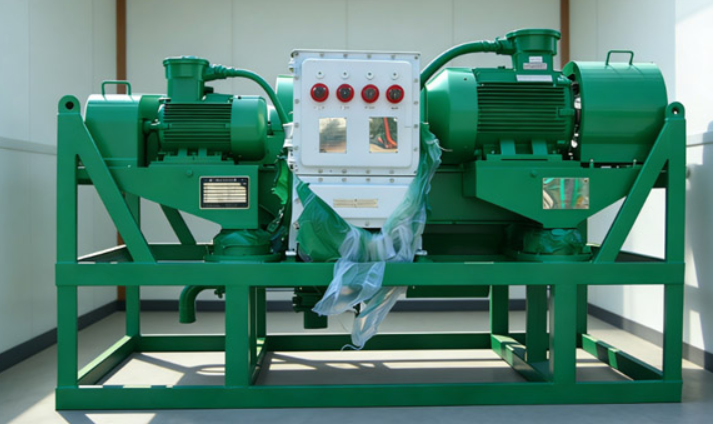
A decarbonization centrifuge is a widely used separation device in industries such as petroleum, natural gas, and wastewater treatment. It efficiently separates solids and liquids, improving production efficiency. However, due to its high-speed operation and complex structure, improper operation can easily lead to safety accidents, such as mechanical injuries, liquid leaks, and even fires. This can not only damage the equipment but also threaten the lives of operators. Therefore, understanding and mastering the safe operation procedures for decarbonization centrifuges is essential for every operator. Safe operation is not only a responsibility to oneself but also a crucial guarantee for smooth production. In daily work, many novice and inexperienced operators often lack sufficient awareness of the potential dangers of high-speed rotation, pressure changes, and chemical liquids.
What are the safety checks before startup?
Check Equipment and Environmental Conditions
Before starting the decarbonization centrifuge, first confirm that all components of the machine are intact, such as bearings, seals, and transmission devices. In addition, the operating environment should be kept clean and dry, avoiding slippery surfaces or debris that could interfere with equipment operation.
Check Liquid and Material Conditions
The liquid processed by the decarbonization centrifuge may contain corrosive or high-temperature substances. Before operation, always confirm that the liquid temperature, concentration, and flow rate meet the equipment requirements to avoid accidents caused by abnormal materials.
Wear Necessary Protective Equipment
Operators must wear basic protective equipment such as safety helmets, goggles, protective gloves, and non-slip shoes. Eye and hand protection is especially important, as high-speed rotation can cause splashes or mechanical abrasions.
Safety Precautions During Operation
Do Not Open the Cover or Inspect the Internal Parts Unnecessarily
When the decarbonization centrifuge is running at high speed, the internal parts rotate at extremely high speeds. Any attempt to open the cover may result in serious injury. Therefore, it is absolutely forbidden to open the equipment during operation.
Pay Attention to Abnormal Vibration and Noise
If obvious vibration or abnormal noise occurs during operation, it may indicate problems such as equipment imbalance or loose parts. Stop the machine immediately for inspection. Do not continue operation to avoid further damage or injury.
Control Operating Parameters
Speed, pressure, flow rate, and other parameters must be strictly controlled according to the equipment manual or operating procedures. Overspeeding or overpressure may cause mechanical damage or liquid splashing, creating safety hazards.
Prevent Chemical Contact
If the liquid being processed contains corrosive or toxic substances, strictly adhere to chemical safety operating procedures. Avoid direct skin contact or inhalation of vapors, and ensure good ventilation at the site.
Safety Requirements for Shutdown and Routine Maintenance
Drain and Cool Before Shutdown
Before shutting down, drain all liquid from the equipment to prevent residue from causing problems upon restarting. After shutdown, wait for the rotor to completely stop and cool down before performing any operations.
Regular Maintenance and Inspection
Safe operation of the decarbonization centrifuge relies on regular maintenance, such as lubricating bearings, tightening bolts, and inspecting seals and electrical wiring. Power should be disconnected during maintenance to ensure operational safety.
Cleaning and Storage
After use, promptly clean the equipment surface and surrounding environment to prevent liquid residue from causing slips or corrosion. Store equipment parts and tools according to regulations.
While decarbonization centrifuges are highly efficient, they also pose potential hazards. Pre-operation checks, standardized operation during operation, and post-shutdown maintenance are all crucial aspects of ensuring safety. For every operator, safety awareness is more important than any skill. Only by prioritizing safety can we ensure the long-term stable operation of the equipment and prevent accidents. Safe operation is not only a responsibility to the equipment but also a responsibility to your own and your colleagues’ lives. As long as operating procedures are strictly followed, necessary protective equipment is worn, and every detail of the equipment is paid attention to, the decarbonization centrifuge can work efficiently and stably, contributing to smooth production. In daily work, integrating “safety first” into every operation is equivalent to building a solid protective barrier for yourself and your team.