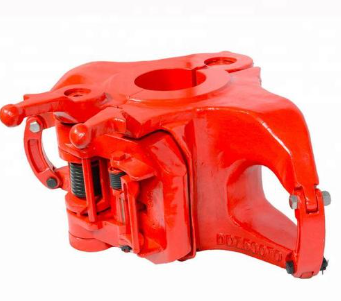
Wellhead tools are critical equipment in oil and gas operations, and their pressure-bearing capacity directly affects well control safety and operational stability. Pressure testing is an essential method for verifying the reliability of wellhead tools by simulating downhole pressure conditions to assess sealing performance, load-bearing capacity, and structural integrity. Proper pressure testing not only helps prevent blowouts and leaks but also extends the service life of the tools. This article provides a detailed guide on preparation, procedures, precautions, and the value of wellhead tool pressure testing.
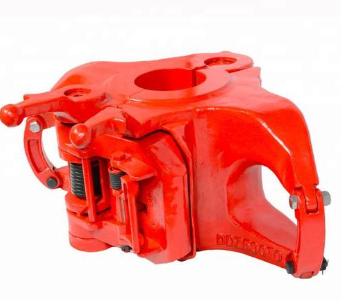
Preparation Before Pressure Testing
Tool Inspection: Check for cracks, deformation, or wear to ensure all components are intact.
Test Environment Preparation: Select a clean and stable area, ensuring testing equipment meets standards and is in good condition.
Testing Equipment Preparation: Prepare pressure pumps, pressure gauges, seals, connection pipelines, and test record forms to ensure accurate measurement of parameters.
Safety Measures: Operators must wear protective gear and ensure non-essential personnel are kept away to prevent accidents during high-pressure operations.
Standard Pressure Testing Procedure
Connect Tool to Test Device: Install the wellhead tool onto the pressure testing device, ensuring all interfaces are properly sealed.
Apply Pre-Pressure: Gradually apply 20–30% of the target pressure and observe the tool’s response, checking preliminary sealing performance.
Increase to Target Pressure: Gradually increase the pressure to the standard test value while monitoring the pressure gauge and tool condition to ensure stability.
Hold Pressure and Observe: Maintain target pressure for a period (typically 5–15 minutes), observing for leaks, deformation, or abnormal noises.
Release Pressure and Dismantle: Slowly release the pressure, safely dismantle the tool, and record all test data and anomalies.
Key Precautions
Test Pressure Selection: Set the test pressure according to tool specifications and operational requirements, not exceeding rated limits.
Uniform Pressure Increase: Apply pressure gradually to avoid shock that could damage the tool.
Seal Inspection: Ensure all seals are properly installed before testing; otherwise, results may be unreliable.
Data Recording and Analysis: Maintain detailed records of each pressure test to trace tool performance and plan maintenance.
Value of Pressure Testing
Ensure Operational Safety: Pressure testing identifies potential defects, reducing the risk of blowouts, leaks, and equipment failure.
Verify Tool Performance: Confirms the tool’s pressure capacity, sealing, and structural reliability to ensure operational stability.
Optimize Maintenance and Management: Testing records help develop scientific maintenance schedules, improving tool life and efficiency.
Support Standardized Operations: Pressure testing complies with oil and gas industry standards, ensuring proper operational and safety management.
Conclusion
Pressure testing of wellhead tools is a critical step to ensure safe and stable oil and gas operations. By following standardized preparation, procedures, and precautions, companies can effectively verify tool performance, reduce operational risks, and achieve scientific management. Mastering pressure testing methods not only improves operational efficiency but also provides reliable assurance for well control safety.