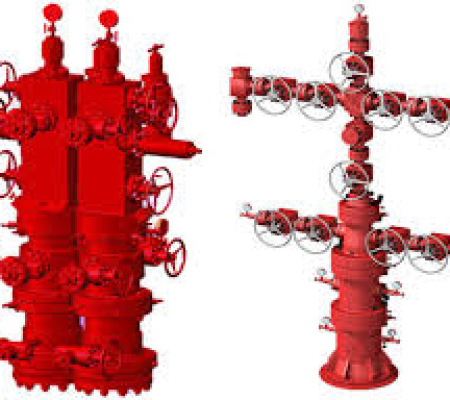
As oil and gas extraction environments become increasingly complex, the demands on wellhead operations for efficiency, safety, and reliability continue to rise. Traditional wellhead tools have long supported running and spinning operations, but due to high manual labor intensity, significant differences in operator experience, and lack of traceable data, they are gradually unable to meet the needs of modern well sites. Intelligent wellhead tools have therefore emerged, leveraging sensor monitoring, automated control, and data-driven management to comprehensively enhance operational performance, becoming a key direction for the development of the oil and gas industry.

Industry Background for Intelligent Wellhead Tools
With the increasing prevalence of complex well types such as deep wells, horizontal wells, and extended-reach wells, the safety risks and technical challenges of wellhead operations have grown. At the same time, the global oil and gas industry is driving digital and automated transformation. As core equipment, wellhead tools naturally become a focus for intelligent upgrades. Companies urgently need to reduce risks, minimize manual dependency, and improve connection quality, laying a solid foundation for the adoption of intelligent tools.
Core Functions and Limitations of Traditional Wellhead Tools
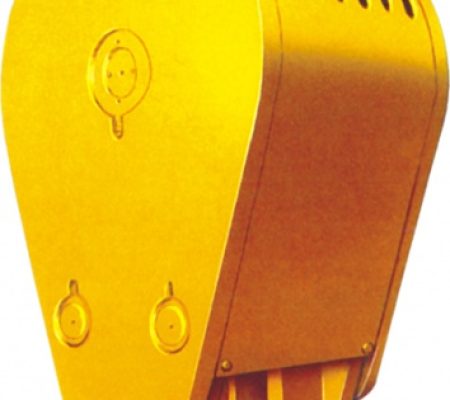
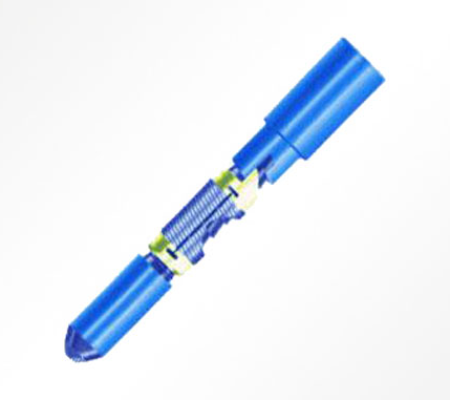
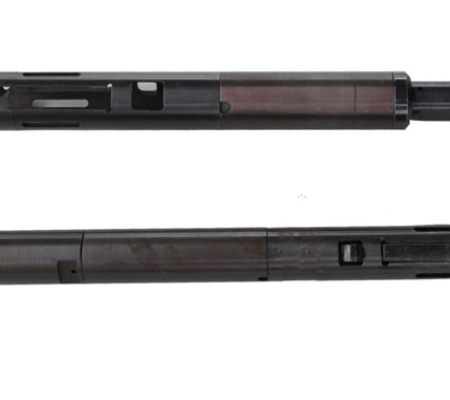
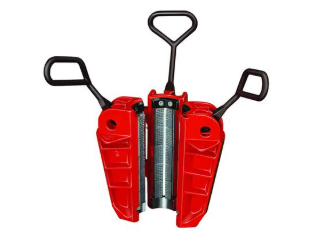
Traditional wellhead tools include slips, manual tongs, elevators, lifting rings, and casing tongs, which perform gripping, spinning, and lifting tasks essential for wellhead operations. However, they generally rely on manual operation, lack quantifiable performance, have inconsistent quality, and pose relatively high safety risks. Particularly in high-torque, high-load, and high-frequency operation scenarios, manual handling increases the risk of mis-engagement or slippage.
Changes Brought by Intelligent Technology
Intelligent technology enables traditional tools to have real-time monitoring, automatic torque limitation, automated gripping, and data recording capabilities. For example, intelligent slips can automatically monitor gripping force; smart manual and power tongs can record torque data; and intelligent elevators can prevent accidental engagement or release. These features make wellhead operations more stable and controllable and allow for traceability of every connection after operation, enhancing wellbore integrity.
Intelligent Upgrade of Casing Power Tongs: The TQ340/35YA Example
The TQ340/35YA casing power tong represents a typical example of intelligent wellhead equipment. It uses hydraulic drive to automatically grip and rotate casing, achieving high-quality makeup and breakout operations. Its torque monitoring system records torque changes in real time to prevent thread damage; high/low gear switching improves adaptability; and it is suitable for casing sizes from 5½″ to 13⅜″. It not only improves operational efficiency but also reduces manual risk, making it an important representative of intelligent casing operations.
Key Technical Directions for Intelligent Wellhead Tools
In the future, wellhead tools will further integrate sensor technology, hydraulic control systems, real-time monitoring, and cloud data platforms. Tools will work collaboratively—for example, slips, elevators, and power tongs will coordinate to automatically align, spin, and makeup connections. Wellhead data will be synchronized to operational platforms, providing full recording of critical parameters such as torque curves, gripping force, and load changes.
Future Trends: From Intelligent to Unmanned Wellheads
With advancements in artificial intelligence, visual recognition, and robotics, wellhead operations are moving toward unmanned systems. Future well sites may rely on robotic arms for pipe positioning, spinning, and handling, allowing personnel to be completely withdrawn from high-risk areas. Unmanned wellheads will not only improve safety but also enable around-the-clock operations, further enhancing extraction efficiency.
Conclusion
The intelligent transformation of wellhead tools is an irreversible trend in the oil and gas industry. From smart slips to automated power tongs, and eventually to fully unmanned wellhead platforms, new technologies are comprehensively improving the safety, efficiency, and controllability of well operations. Embracing the trend of intelligence and accelerating wellhead equipment upgrades will be a crucial way for enterprises to enhance competitiveness and will push the entire industry toward a higher stage of digitalization and intelligence.