In the fields of oil and gas exploration and development and geological drilling, drilling equipment accidents can not only lead to direct economic losses of millions or even hundreds of millions of yuan, but also trigger chain reactions such as casualties and environmental pollution. According to industry statistics, 70% of major drilling equipment accidents stem from the failure to promptly detect equipment hazards, operational violations, or improper maintenance. How to build a full life-cycle safety protection system through technological upgrades, management optimization, and cultural cultivation has become a core issue in the industry’s safety management. This article will systematically elaborate on the practical path for preventing major drilling equipment accidents from four dimensions: equipment health monitoring, risk early warning mechanisms, strengthening of operating procedures, and emergency response capability building.
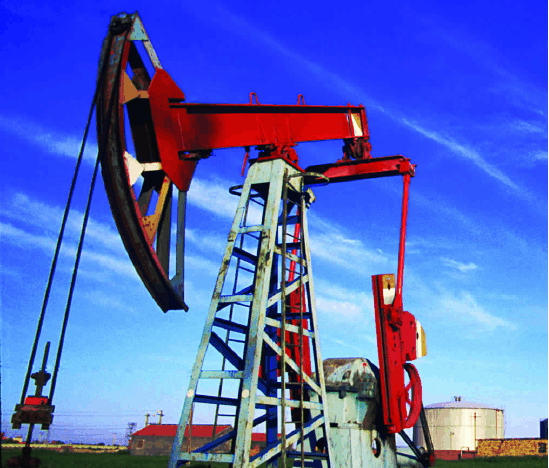
Equipment Health Monitoring: From Passive Inspection to Proactive Prevention
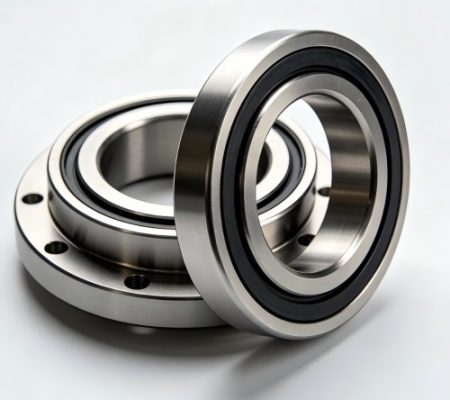
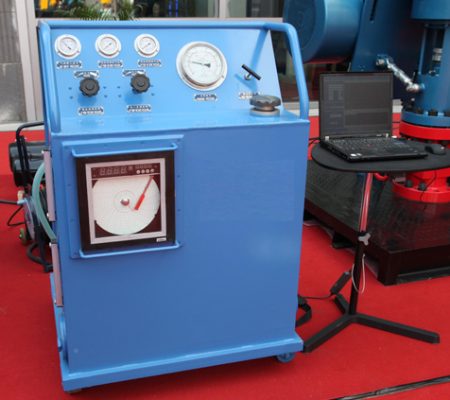
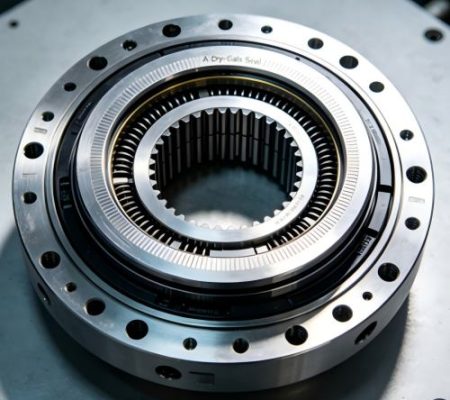
Traditional drilling equipment maintenance relies on regular inspections and post-failure repairs, making it difficult to detect early-stage hazards. For example, a drilling platform experienced equipment jamming due to a failure to promptly detect a lubrication malfunction in its top drive main bearing, leading to a derrick overturning accident and direct losses exceeding 200 million yuan. Modern drilling equipment health monitoring systems, by integrating technologies such as vibration analysis, temperature sensing, oil detection, and ultrasonic flaw detection, can collect equipment operating data in real time and upload it to a cloud analysis platform. For example, a company’s intelligent monitoring system detected a bearing inner ring crack 60 days in advance by analyzing the vibration spectrum of the top drive gearbox, preventing a major accident.
Life prediction of critical components is key to accident prevention. Taking the hydraulic end of a drilling pump as an example, fatigue fracture of the valve body is a common cause of accidents. By installing strain sensors on the valve body surface and combining them with a finite element analysis model, the stress concentration factor can be calculated in real time and the remaining life can be predicted. After applying this technology in a project, the valve body replacement cycle was extended from 300 hours (“experience-driven”) to 450 hours (“data-driven”), and the accident rate decreased by 60%. Furthermore, health monitoring of critical equipment such as drilling rig braking systems and blowout preventers should also be included in mandatory management.
Risk Early Warning Mechanism: Intelligent Decision-Making Based on Multi-Source Data Fusion
Drilling operation risks have multi-factor coupling characteristics, and abnormalities in a single parameter are often difficult to accurately predict. A well kick accident occurred on an offshore drilling platform due to neglected fluctuations in mud pump discharge, leading to wellbore pressure imbalance. Modern risk early warning systems integrate equipment status data, geological parameters, operational conditions, and environmental information to construct multi-dimensional risk assessment models. For example, a company’s “Drilling Risk Brain” system can calculate well control risk indices, equipment failure probabilities, and personnel operational compliance in real time. When risk values exceed thresholds, it automatically triggers warnings and pushes disposal suggestions.
In-depth mining of historical accident data is a crucial foundation for optimizing early warning mechanisms. By establishing an industry accident database and analyzing key nodes and triggering conditions in the accident chain, high-frequency risk scenarios can be identified. A research institution’s statistical analysis of drilling accidents over the past decade found that 70% of blowout accidents were related to blowout preventer (BOP) seal failure, and 60% of seal failures occurred during the tripping-out and tripping-out phases. Based on this, a company specifically optimized its BOP maintenance process, adding a seal pressure test before tripping-out and tripping, reducing the blowout accident rate by 45%.
Strengthening Operational Standards: From Experience Transfer to Standard Consolidation
Human error is a significant contributing factor to drilling equipment accidents. A land drilling team experienced a drill pipe breakage incident when a driller failed to respond promptly to a sudden change in drill pressure, injuring a derrickman and highlighting a problem with lax adherence to operating procedures. Companies need to transform safe operating procedures into quantifiable and traceable standard processes. For example, one company’s “Drilling Equipment Operation SOP Manual” clearly specifies the operating steps, parameter thresholds, and emergency response measures for 20 different operating conditions, including drilling, tripping, and tool handling. It also strengthens employee muscle memory through a VR simulation training system.
Operating compliance monitoring is crucial for the effective implementation of standards. By installing cameras, sensors, and behavioral recognition algorithms on the control panel, it’s possible to monitor whether employees’ operations comply with procedures in real time. An intelligent monitoring system used on an offshore platform can automatically identify behaviors such as not wearing a safety helmet and improper operation of control levers, triggering broadcast reminders and performance penalties. Data shows that after the system was implemented, the operational violation rate decreased by 82%, and accidents caused by human error decreased by 70%.
Emergency Response Capability Building: From Emergency Drills to Real-World Empowerment
Even with adequate preventative measures, equipment accidents can still occur under extreme conditions. A drilling rig capsized on an offshore drilling platform due to a typhoon. Inadequate emergency response plans delayed rescue efforts by six hours, exacerbating the accident’s damage. Enterprises need to build a “peacetime-wartime integrated” emergency management system: daily simulations to improve team response speed, and in emergency situations, intelligent decision-making systems to optimize procedures. For example, one company’s emergency command platform can access real-time data on equipment status, personnel location, and material inventory, automatically generating optimal evacuation routes and rescue plans.
Intelligent management of emergency supplies is equally important. By installing IoT tags on critical equipment (such as blowout preventers and fire suppression systems), their location, status, and maintenance records can be tracked in real time. After applying this technology in one project, emergency supply deployment time was reduced from two hours to 20 minutes, saving valuable time for accident control. Furthermore, regularly organizing cross-departmental and cross-platform joint drills can test the collaborative effectiveness of the emergency response system.
Preventing major drilling equipment accidents is a systematic project requiring coordinated efforts in four areas: equipment monitoring, risk warning, operational procedures, and emergency response capabilities. By constructing a safety protection system based on “data-driven + standards-led + cultural support,” both accident and loss rates can be reduced. In the context of the industry’s intelligent transformation, these strategies are not only the bottom line for enterprise survival but also the core driving force propelling drilling technology towards greater safety and efficiency. In the future, with the deep application of technologies such as digital twins and artificial intelligence, drilling equipment safety management will move towards a higher level of proactive defense and precise decision-making.