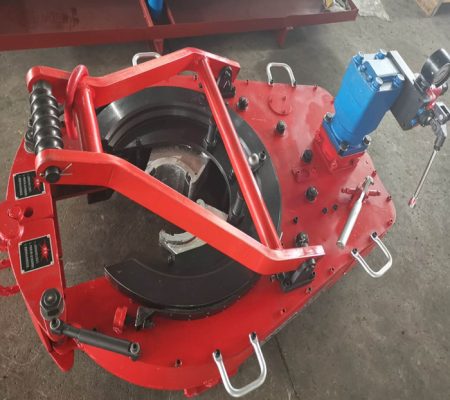
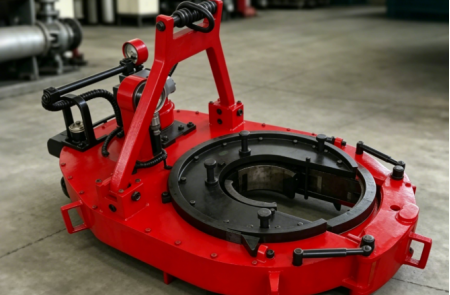
In oil and gas drilling operations, the high-pressure environment places higher demands on the performance and safety of wellhead tools. Casing wrenches, as crucial equipment for casing connection and disassembly, need to maintain stable operation under high loads, high pressures, and complex conditions. Improper operation or insufficient equipment performance can not only affect the quality of casing connections but also potentially lead to safety risks. Modern casing wrenches place greater emphasis on structural strength, clamping stability, and wear resistance to meet the demands of continuous operation in high-pressure environments. When using casing wrenches under high-pressure conditions, strict control over equipment performance, operating procedures, and maintenance management is necessary to ensure both construction safety and efficiency.
Ensuring Sufficient Pressure Bearing Capacity
High-pressure environments place high demands on the structural strength of casing wrenches.
- Casing wrenches need to be manufactured using high-strength alloy materials to withstand high loads and continuous torque output.
- Critical connection points of the equipment should have good impact resistance to prevent deformation or breakage during high-pressure operations.
- Before formal construction, the equipment’s pressure rating needs to be confirmed to ensure it meets the requirements of the site conditions.
Good pressure bearing capacity is a crucial prerequisite for safe construction.
Maintain stable clamping to prevent casing slippage
The stress on the casing is more complex during high-pressure operations.
- The casing wrench needs to provide stable clamping force to prevent casing slippage during connection.
- The clamping structure should maintain uniform force to reduce damage caused by excessive local pressure.
- During continuous construction, the wear of the clamping components should be checked regularly to ensure clamping stability.
This stable clamping capability effectively reduces construction risks.
Standardize torque control to improve connection quality
Torque control directly affects the casing connection effect.
- During operation, the torque should be adjusted according to the specified parameters to avoid excessive or insufficient torque affecting connection stability.
- Stable torque output improves the sealing effect of the casing threads and reduces the risk of leakage.
- Standardized operating procedures also reduce human error and improve overall construction efficiency.
Proper torque management helps ensure safe operation under high-pressure environments.
Strengthen maintenance and inspection to ensure long-term stable operation
High-pressure environments accelerate equipment wear and fatigue. After construction, oil and impurities on the equipment surface should be cleaned promptly to reduce corrosion. Simultaneously, regularly inspect the hydraulic system, connecting components, and vulnerable parts, and replace or maintain them promptly. Through standardized maintenance measures, the service life of the casing tongs can be extended and stable performance maintained, thus improving the long-term operational reliability of the equipment.
In high-pressure drilling environments, casing tongs are responsible for connection and disassembly, and are crucial to overall construction safety and efficiency. From the equipment’s pressure-bearing capacity and clamping stability to torque control and subsequent maintenance, every aspect requires strict management. Through scientific use and standardized maintenance, casing tongs can maintain stable performance under complex working conditions, while reducing construction risks and providing more reliable protection for high-pressure drilling operations.