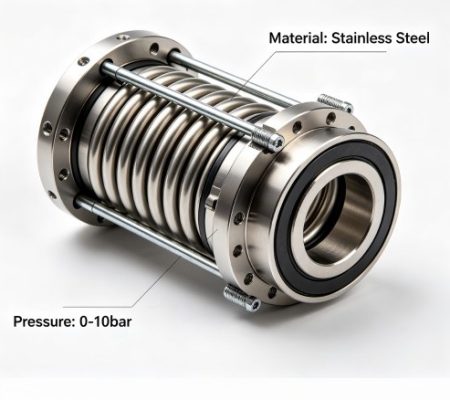
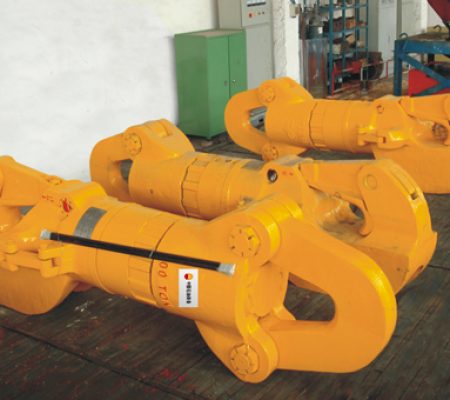
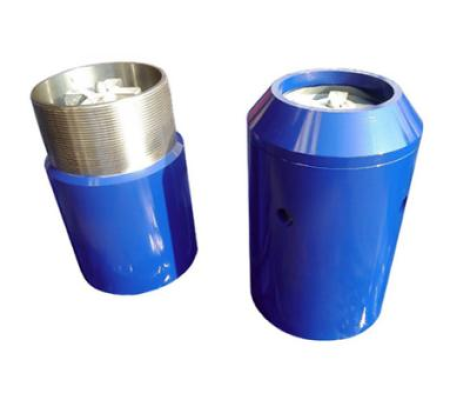
In oil and gas development, wellhead equipment plays a crucial role in connecting underground oil and gas reservoirs with surface production systems. The wellhead valve, as a core component of the wellhead system, directly impacts the safety and efficiency of oil and gas extraction. A wellhead valve typically consists of valves, connecting components, and a control system, primarily used to regulate wellhead pressure, control fluid flow, and ensure stable production. Modern wellhead valves place greater emphasis on sealing performance, pressure resistance, and long-term operational stability to meet the continuous production demands of complex oil and gas field environments. Therefore, in oil and gas development projects, the wellhead valve is not only fundamental equipment but also a vital component for ensuring production safety and improving operational efficiency.
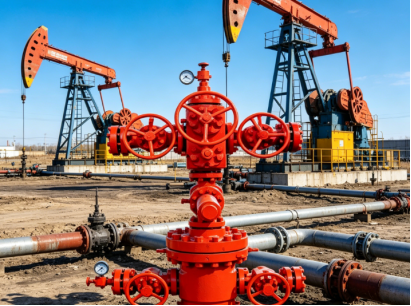
Controlling Wellhead Pressure for Production Safety
Oil and gas wells typically experience high pressure, requiring stringent wellhead control.
- The wellhead valve regulates wellhead pressure through its valve system, preventing safety risks caused by abnormal pressure.
- In emergencies, it can quickly shut off fluid channels, reducing the occurrence of blowouts and leaks.
- Stable pressure control capabilities improve overall well control safety.
This pressure management function is one of the key values of the wellhead valve.
Regulating Fluid Transport for Improved Production Stability
Oil and gas transport requires continuous and stable operation. The Christmas tree-shaped sealing system controls oil and gas flow, making the production process more stable and efficient. Through the use of different valves, the delivery status can be flexibly adjusted according to production needs. Reasonable fluid control also reduces equipment impact and system fluctuations, and this regulatory capability helps improve oil and gas development efficiency.
Enhanced Sealing Performance and Reduced Leakage Risk
Wellhead sealing is directly related to the safety of oil and gas development.
- The Christmas tree employs a multi-layered sealing structure design to improve wellhead sealing stability.
- It maintains reliable sealing performance even under high pressure and complex operating conditions, reducing oil and gas leakage.
- Good sealing performance also reduces environmental pollution and resource waste.
This sealing capability provides a guarantee for long-term stable production.
Adaptable to Complex Environments and Ensuring Long-Term Operation
Oil and gas field environments are complex, requiring high equipment reliability. The Christmas tree is typically made of high-strength, corrosion-resistant materials, capable of withstanding complex operating conditions such as high temperature, high pressure, and corrosive media. During long-term continuous production, it maintains stable performance and good sealing performance, reducing downtime caused by equipment failure. At the same time, the stable and durable structural design reduces maintenance frequency, improves the overall operating efficiency of the production system, and provides continuous and reliable support for oil and gas development.
In modern oil and gas development engineering, the Christmas tree (or similar equipment) has become a crucial core component ensuring stable wellhead operation. Its role spans the entire production process, from pressure control and fluid regulation to sealing safety and adaptation to complex environments. Proper selection and standardized use can maintain higher efficiency and stability in oil and gas extraction systems, while reducing safety risks and providing more reliable support for oil and gas resource development.