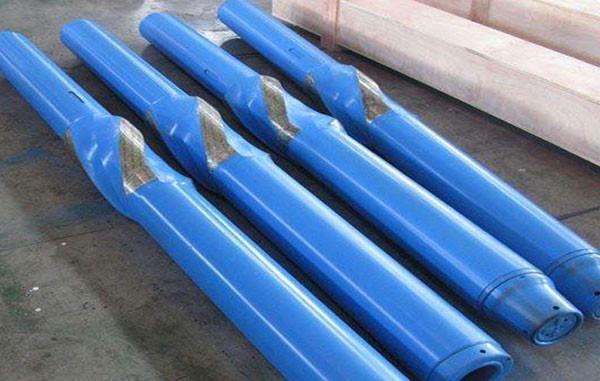
In gas well development and production, wellhead tools serve as the critical interface between surface facilities and downhole equipment. They play an essential role in pressure control, production stability, and operational safety. As gas wells continue to evolve toward higher pressure, greater depth, and more complex working environments, proper selection of wellhead tools becomes increasingly important. Scientific selection strategies can significantly extend equipment lifespan, reduce operational risks, and enhance overall production efficiency. This article provides a comprehensive overview of how to select common wellhead tools for gas wells and the key precautions to consider.

Select Wellhead Equipment Based on Pressure and Temperature Ratings
Gas wells typically operate under high-pressure, high-temperature, or sour-gas conditions, making pressure rating the primary criterion for tool selection.
High-pressure gas wells require wellhead assemblies certified to API or equivalent national standards to withstand pressure fluctuations.
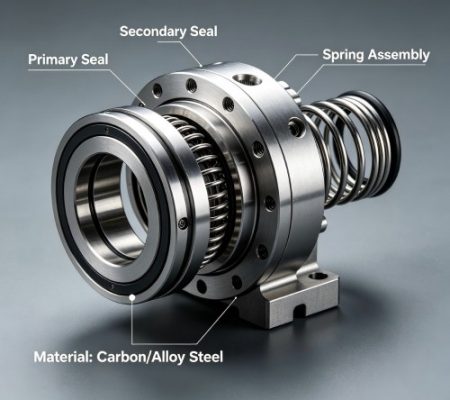
High-temperature environments demand heat-resistant sealing materials to prevent rubber components from degrading and causing leaks.
For sour gas wells containing hydrogen sulfide (H₂S), the selected materials must also resist sulfide stress cracking to ensure operational safety.
Match Tool Types to Specific Operational Needs
Common wellhead tools used in gas wells include:
Hangers: Support tubing or casing strings; must be selected based on pipe weight and diameter.
Choke valves: Control flow rate and wellhead pressure; their bore size and adjustability directly influence production stability.
Safety valves and gate valves: Core components for pressure control; require high-grade materials and reliable sealing performance.
Flanges and connectors: Must match the wellhead assembly precisely to prevent sealing failures due to dimensional mismatches.
Each tool varies in structure, material, and sealing design depending on the working conditions, so proper matching is essential for safe and efficient operations.
Prioritize Corrosion Resistance to Extend Equipment Life
Gas wells often contain corrosive media such as CO₂, H₂S, and water vapor. Incorrect material selection can cause severe corrosion and premature equipment failure.
Carbon steel tools are suitable for low-corrosion environments.
Stainless steel or nickel-based alloys are recommended for sour gas or highly acidic conditions.
Surface treatments such as coating or nitriding can further enhance corrosion resistance.
Choosing the right materials based on well conditions is crucial for long-term reliability.
Ensure Compatibility and Standardization
Wellhead tools must integrate seamlessly with tubing heads, Christmas trees, and control systems. Incompatible interfaces can lead to installation difficulties and sealing problems.
Therefore, it is advisable to select tools that comply with API 6A, API 16C, or other recognized standards to ensure consistency in dimensions, structure, and sealing.
Standardized equipment not only speeds up installation but also reduces maintenance complexity and inventory costs.
Safety and Reliability Are the Most Important Factors
Gas wells are high-risk environments, and the failure of any wellhead tool may lead to blowouts, leaks, or other serious accidents. Key safety considerations include:
Pressure-testing and sealing integrity
Valve actuation smoothness
Stability under extreme temperature conditions
Blowout prevention and emergency shut-off capability
All tools must undergo rigorous factory testing and field acceptance to ensure they meet safety requirements.
Consider Ease of Maintenance and Spare-Part Availability
During long-term operation, seal wear, valve friction, and material fatigue are unavoidable.
Selecting tools with readily available spare parts and simple maintenance structures reduces downtime and maintenance costs.
Modular wellhead tools are especially advantageous because they allow rapid replacement of individual components, improving operational efficiency.
Conclusion
Selecting wellhead tools for gas wells requires a careful evaluation of pressure ratings, environmental conditions, tool performance, material durability, and safety standards. Only by thoroughly assessing operational needs and maintenance requirements during the selection process can operators ensure long-term, stable, and efficient wellhead performance. For companies seeking higher safety and productivity in gas-well operations, a scientific and systematic tool selection strategy is indispensable.