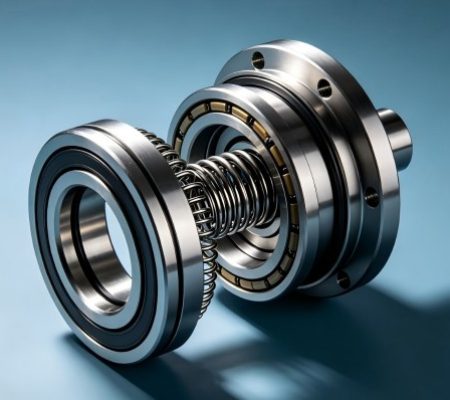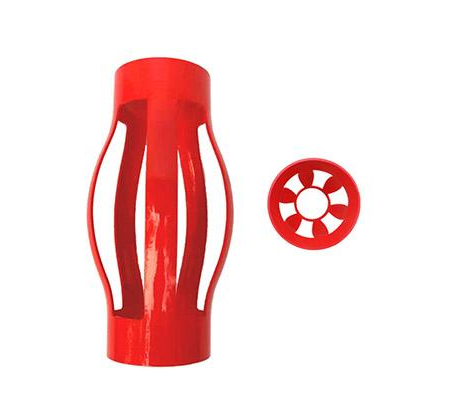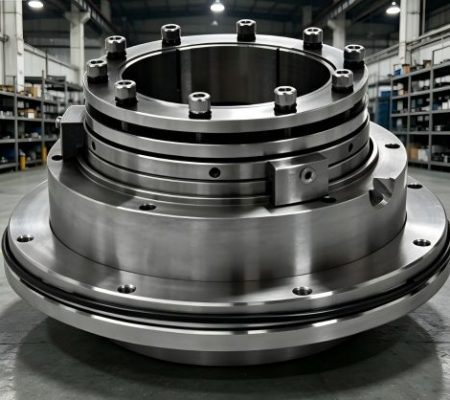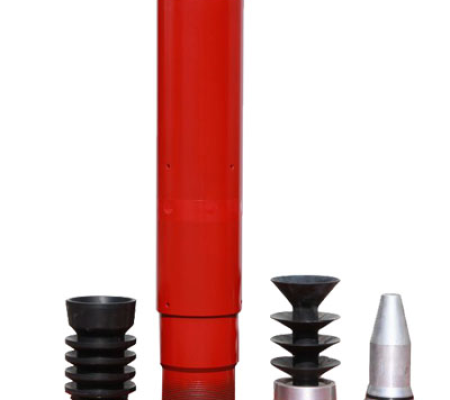
Underground mining equipment operates in a complex environment characterized by high pressure, high humidity, and strong corrosiveness, accompanied by vibration, dust, and high-intensity continuous operation. Therefore, tools such as clamps, hydraulic sandblasting machines, stabilizers, and cement heads must meet specific industry standards to ensure stability, reliability, and safety during underground operation. For mining companies or operating units, understanding equipment standards is a crucial step in the procurement, acceptance, and use process. Generally, underground mining equipment needs to meet standards for structural strength, material performance, safety requirements, testing and inspection, and protection levels to truly meet the conditions for underground operation.

Underground equipment must meet national or industry structural strength standards. Due to the high pressure and frequent impacts in the underground environment, the equipment needs sufficient load-bearing capacity and impact resistance. For example, clamps need to meet specified clamping force levels, and the claw structure must be able to withstand heavy-load lifting; hydraulic blasting machines need to meet high-pressure resistance standards, including the pump body, pipelines, and nozzle; the stabilizer’s body and blades need to meet specified hardness and bending strength to ensure no deformation during rotation; and the cement head needs to meet cementing pressure bearing standards to ensure the stability of pump pressure, wellhead pressure, and cementing slurry flow. Whether the structural strength meets the standards can usually be determined by checking the manufacturer’s design data, pressure rating specifications, or third-party testing reports.
Material performance is also an important standard. Most mining downhole equipment uses high-strength alloy steel, wear-resistant metals, or corrosion-resistant materials, and must meet relevant metal performance requirements, such as tensile strength, yield strength, fatigue life, and corrosion resistance. Hydraulic blasting machines need to be compatible with wear-resistant nozzle materials; the wear-resistant strips or blades of the stabilizer need to have anti-friction capabilities; the clamp’s claws usually need to undergo heat treatment to improve surface hardness; and the internal channels of the cement head need to be corrosion-resistant to ensure smooth mud flow. These material performance standards are crucial to equipment lifespan and underground safety, making them key indicators to consider during procurement.
Mining equipment must also meet relevant safety standards. Most underground equipment requires safety markings, operational warnings, and necessary explosion-proof, anti-slip, and leak-proof designs. Especially in gas-risk underground environments such as coal mines, equipment must meet explosion-proof standards, and electrically powered equipment must have special designs for spark prevention and static electricity prevention. Hydraulic sandblasting machines, in particular, require leak-proof structures when used underground, as hydraulic oil leaks not only pollute the environment but also directly cause the danger of pressure runaway. For tools such as clamps, stabilizers, and cement heads, all connecting parts must be reliable and not loosen due to vibration or pressure changes.
Testing and inspection standards are also an important component of underground equipment. Mining equipment typically undergoes pressure testing, sealing testing, wear resistance testing, and fatigue testing to ensure stability under high-intensity working environments. Hydraulic equipment must pass pressure resistance testing; rotating equipment must pass rotational durability testing; and mechanical tools such as clamps typically require clamping force testing and wear resistance testing. Legitimate equipment will provide factory inspection reports or third-party inspection certificates, which are crucial for determining whether the equipment meets standards.
Finally, protection rating standards are also part of the standards for underground equipment. The underground environment contains a lot of dust and moisture, so equipment must have a certain protection rating, such as IP66 or IP67, to ensure waterproofing and dustproofing. Although the requirements for mechanical parts such as clamps and cement heads are not as stringent as for electric equipment, they still need to meet corrosion and rust prevention standards to ensure long-term durability.
Mining underground equipment must meet multiple standards, including structural strength, material performance, safety design, testing and inspection, and protection ratings, to truly adapt to the complex and harsh underground working environment. Whether it’s clamps, hydraulic sandblasting machines, stabilizers, or cement heads, strictly adhering to standards and checking inspection reports during the purchase process, and choosing reputable manufacturers, will significantly improve the safety and stability of the equipment.