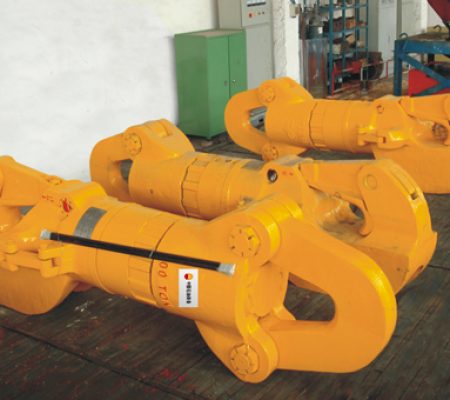
In oil and gas wellhead operations and related equipment handling, the Elevator Link serves as the critical component connecting the Elevator and the Hoist Hook. It primarily bears the weight of the pipe string, ensuring safe lifting and lowering operations. As a core load-bearing and positioning element, the Elevator Link directly affects system stability and operational safety. Proper selection of the Elevator Link can improve operational efficiency while reducing the risk of accidents, making it an essential consideration in wellhead operations.
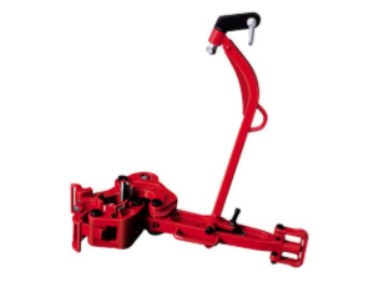
Role of the Elevator Link in Wellhead Systems
The Elevator Link acts as the primary load transfer point during pipe handling. It performs four essential functions: load-bearing, connection, positioning, and safety assurance. By securely linking the Elevator and the Hoist Hook, the Elevator Link ensures that pipe strings are lifted and lowered evenly, preventing tilting, swinging, or localized stress concentration and maintaining overall system stability.
During wellhead operations, the Elevator Link works in conjunction with the Elevator, the pipe string, and the Hoist Hook. These four components form a complete load transmission chain, enabling smooth and controlled movement of each pipe segment. Since the Elevator Link bears the main portion of the pipe string’s weight, its material, structure, and installation directly influence operational efficiency and safety.
Understanding Load Requirements and Working Conditions
The first step in selecting an Elevator Link is accurately assessing the actual load. Factors such as pipe string weight, operational depth, and lifting speed affect the stress on the link. When selecting an Elevator Link, engineers must consider the maximum working load and apply an appropriate safety factor to ensure stability under dynamic loads and occasional shock loads.
Additionally, environmental conditions must be taken into account. Wellhead operations often involve moisture, drilling mud, and elevated temperatures. Therefore, the Elevator Link material must offer sufficient strength and corrosion resistance to maintain long-term operational stability.
Structure and Material Considerations
The structural design of the Elevator Link significantly impacts system stability. Common types include forged links, swivel links, and shoulder links. Forged links provide uniform load distribution, suitable for vertical loads. Swivel links accommodate changes in load direction, reducing the risk of pipe tilting during handling. Shoulder links are ideal for multi-angle load conditions, further enhancing system stability.
Material selection is equally critical. High-strength alloy steel and corrosion-resistant stainless steel are widely used in wellhead operations. Alloy steel provides high strength and fatigue resistance for heavy-duty applications, while stainless steel offers superior corrosion resistance in moist or muddy conditions. The choice of material should balance pipe string weight, operational frequency, and environmental factors.
Installation Methods and Operational Details
Installation methods play a crucial role in maintaining system stability. The Elevator Link must be aligned coaxially with the Elevator and Hoist Hook to prevent uneven load distribution or tilting. Threaded links should ensure sufficient engagement depth to avoid loosening or disengagement. In high-frequency operation scenarios, additional anti-loosening mechanisms or swivel designs can help reduce vibrations and maintain system stability.
During operations, it is essential to follow wellhead handling procedures, avoiding overload or inclined lifting. Regular inspections of wear, deformation, and thread integrity are key to ensuring long-term system stability.
Conclusion
The Elevator Link is not merely a connection between the Elevator and Hoist Hook—it is the critical component ensuring safe lifting and lowering of the pipe string. By accurately assessing load requirements, selecting appropriate structure and material, and following proper installation and operational practices, system stability and operational safety can be significantly improved. For wellhead operation teams, treating Elevator Link selection as a critical step enhances efficiency and ensures every pipe handling operation is safe and reliable.