In the exploration and development of energy resources such as oil and natural gas, drilling equipment acts as a pioneer in discovering underground treasures, and its stable operation directly affects the efficiency and safety of drilling operations. However, equipment vibration, a “hidden killer,” often poses numerous challenges to operations during drilling. A thorough analysis of drilling equipment vibration is crucial for ensuring the smooth progress of drilling operations.
Drilling equipment vibrations are diverse, primarily including longitudinal vibration, lateral vibration, and torsional vibration. Longitudinal vibration originates from the interaction between the drill bit and the formation rock. When the teeth of a roller cone drill bit contact the bottom of the well, or when the bottom of the well is uneven and the drill bit is subjected to unstable longitudinal reaction forces while breaking rock, longitudinal vibration of the drill string will occur. When the excitation source frequency is close to the natural frequency of the drill string, this vibration can trigger resonance, causing the drill bit to momentarily detach from the bottom of the well and bounce. The enormous impact load accelerates drill string fatigue and damages downhole turbine drill bits, drill bits, and other tools. Lateral vibration is caused by the eccentric rotation of the drill string, which oscillates perpendicular to the axis, potentially inducing drill bit whirl, especially in PDC drill bits, which can easily damage the drill bit teeth. Torsional vibration is the gyratory vibration of the drill string around its centerline, generated during drilling due to irregular collisions and friction between the drill string and the wellbore, as well as the periodic changes in the reaction force from the drill bit breaking up the rock.
Multiple factors can induce drilling equipment vibration. Drilling parameters are one of the important factors; adjustments to drill pressure and rotation speed have a significant impact on vibration. Excessive drill pressure may cause the drill string to bend, contacting the wellbore and generating lateral vibration; excessive rotation speed increases centrifugal force, increasing lateral vibration energy. Different formation characteristics also induce different vibrations. Vertical wells, tight formations with poor drillability, and hard abrasive rocks exacerbate longitudinal vibration; complex formation structures such as faults and fracture zones intensify drill string vibration. An unreasonable drill string assembly design is also not negligible; an unstable drill string assembly is more likely to induce drill string and drill bit rotation, generating vibration.
The hazards posed by drilling equipment vibration should not be underestimated. It can damage equipment such as screws, MWD (Mechanical, Machine-Driven Drilling), drill strings, and drill bits, leading to downhole accidents like leaks and breakages, resulting in significant non-productive time and impacting service quality. Vibration also affects drilling efficiency; severe vibration may prevent the drill bit from steadily breaking rocks, reducing drilling speed and increasing drilling cycles. Furthermore, long-term vibration accelerates wear on equipment components, shortening equipment lifespan and increasing replacement and maintenance costs.
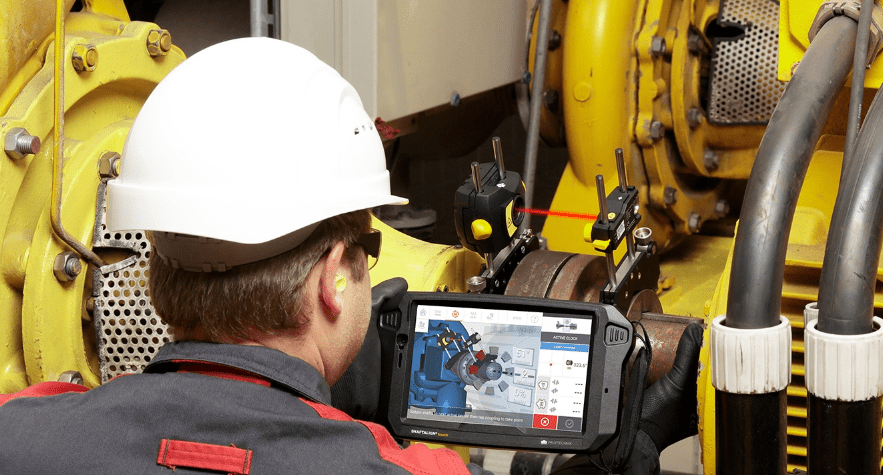
To address drilling equipment vibration, a series of measures can be taken. Regarding drilling parameter optimization, the natural frequency is calculated based on the drill string assembly, and drilling parameters are adjusted with increasing well depth to avoid resonance; vibration dampers are added to formations with severe skipping to reduce vibration; torsional vibration dampers are added to the drill collars to prevent torsional vibration. Properly designing the drill string assembly is also crucial; using downhole motors reduces the energy interaction between the drill string and the wellbore, lowering the probability of rotational and lateral vibrations; reducing the number of drill collars when drilling hard formations; and using full-hole stabilizers to protect the MWD instrument. Simultaneously, real-time monitoring and feedback control are strengthened. Sensors are used to monitor drill string vibration in real time, and the data is transmitted to the control system for analysis and processing. Based on the results, drilling process parameters are automatically adjusted to improve drill string stability.
Drilling equipment vibration analysis is a crucial step in ensuring efficient and safe drilling operations. Only by thoroughly understanding the types, causes, and hazards of vibrations and taking effective countermeasures can the impact of vibration be reduced, drilling efficiency improved, and a solid guarantee provided for energy extraction.