In oil and gas operations, wellhead tools are essential equipment that ensure operational efficiency and safety. When it comes to acquiring these tools, companies often face a dilemma: should they purchase wellhead tools outright or opt for rental services? Each approach has its own advantages and limitations, and the most cost-effective choice depends on project scale, duration, and frequency of use. This article analyzes five key aspects of wellhead tool rental and purchase to help companies make informed decisions.
Initial Investment: Low-Cost Rental vs High-Cost Purchase
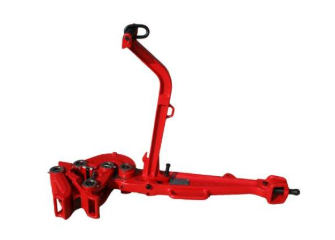
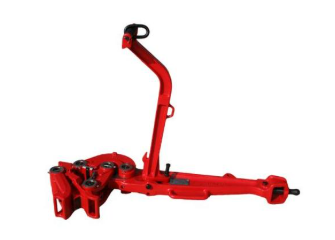
Purchasing wellhead tools requires a significant upfront investment. High-quality slips, power tongs, elevators, and casing tongs can cost tens of thousands of dollars, which may strain the budget for small and medium-sized operators. In contrast, rental services allow companies to pay only for the tools they need, avoiding large initial expenditures and freeing up capital for other operational needs. For short-term or single-well projects, rental is often the more economical choice.
Maintenance and Operational Responsibility
Owning wellhead tools comes with full responsibility for maintenance, repair, and calibration. Companies must conduct regular inspections, replace parts, and train personnel, resulting in higher management costs. Rental tools, however, are typically maintained and certified by the service provider, reducing downtime and administrative burden, allowing the team to focus on well operations.
Flexibility and Equipment Availability
Rental services provide greater flexibility. Operators can scale their equipment usage up or down according to project needs and access specialized or high-spec tools, such as those required for deep wells or high-torque operations. While purchased tools are always available, they may remain idle when demand fluctuates, leading to potential cost inefficiency.
Long-Term Cost Considerations
For long-term, high-frequency operations, purchasing wellhead tools may be more cost-effective. The initial investment can be offset over multiple projects, and ownership allows customization to meet specific operational requirements. Extended rental periods, on the other hand, may result in cumulative costs that exceed the purchase price. Therefore, frequent operators often benefit more from ownership.
Compliance and Technology Upgrades
Rental providers generally ensure that their equipment meets the latest industry standards and undergoes regular upgrades, offering advanced features such as smart slips and automated power tongs. Owning tools requires companies to actively manage upgrades and maintain compliance, which can increase both management complexity and operational costs.
Conclusion
Both rental and purchase of wellhead tools have their advantages. Rental offers low upfront costs, flexibility, and reduced maintenance, making it suitable for short-term or specialized projects. Purchase is better for long-term, high-frequency operations, helping to lower costs over time. By evaluating project duration, usage frequency, and budget, companies can choose the most suitable strategy, achieving an optimal balance between cost efficiency and operational effectiveness.