In modern engineering construction, energy development, and geological exploration, drilling equipment has become an essential part of industrial operations. Because different projects have varying requirements for drilling depth, construction environment, mobility, and power systems, the market has developed many different types of drilling equipment. Many buyers often ask: what are the differences between these drilling machines? In fact, different types of drilling equipment vary not only in structure and power systems, but also in construction efficiency, application scenarios, and operating costs.
Differences in Mobility
Differences in movement structure directly affect construction flexibility and applicable environments.
- Truck-mounted drilling rigs offer strong mobility and are suitable for projects requiring frequent relocation
- Trailer-mounted drilling rigs are easier to transport and are better suited for small and medium-sized projects
- Crawler drilling rigs provide stronger off-road capability for complex terrain
- Stationary drilling rigs offer higher stability and are commonly used in long-term deep well projects
Mobility determines the flexibility of drilling operations.
Differences in Power Systems
Different power systems affect output capability, energy consumption, and operating costs.
- Diesel-powered drilling rigs provide strong power and are suitable for remote areas without electricity
- Electric drilling rigs operate more smoothly with lower noise levels but require stable power supply
- Hydraulic drilling rigs provide more precise control and are suitable for complex working conditions
- Variable frequency drive systems offer better energy-saving performance and higher efficiency
- Hybrid power systems combine performance and energy savings but come with higher costs
The power system directly affects equipment performance.
Differences in Drilling Depth Capability
Different drilling rigs are designed for different drilling depths, which determines their applications.
- Shallow drilling rigs are mainly used for water wells and geological sampling
- Medium-depth rigs are suitable for mining exploration and foundation engineering
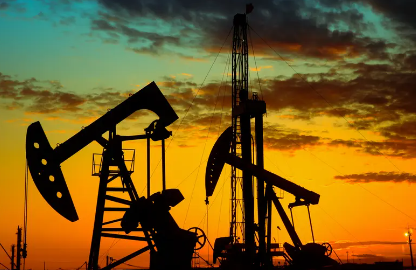
- Deep drilling rigs are used in large-scale oil and gas development projects
The stronger the drilling capability, the larger the equipment is usually designed to be.
Differences in Drilling Methods
Different drilling methods affect construction efficiency and adaptability to formations.
- Rotary drilling rigs break rock through continuous rotation and are suitable for most standard formations
- Percussion drilling rigs crush hard rock through impact force and are ideal for high-hardness formations
- Combined drilling rigs integrate both rotary and percussion functions for better adaptability
- Directional drilling rigs can control drilling direction for specialized engineering projects
Drilling methods determine adaptability to geological conditions.
Differences in Application Scenarios
Different types of drilling equipment are specialized according to industry needs and construction goals.
- Oil drilling rigs are large and powerful systems mainly used for energy extraction
- Water well drilling rigs focus more on cost efficiency and construction convenience
- Engineering drilling rigs are widely used in foundation construction and geological surveys
- Mining drilling rigs emphasize high-intensity and continuous operation capability
Different applications require different equipment configurations.
There is no absolute advantage or disadvantage between different types of drilling equipment, as each type is designed for specific construction needs and engineering conditions. From mobility and power systems to drilling depth and drilling methods, every type of rig has its own technical strengths. In real projects, only by selecting equipment according to geological conditions, project budgets, and efficiency requirements can the full value of the equipment be realized. As drilling technology continues to evolve, drilling equipment will continue developing toward higher efficiency, smarter control systems, and more integrated functionality.