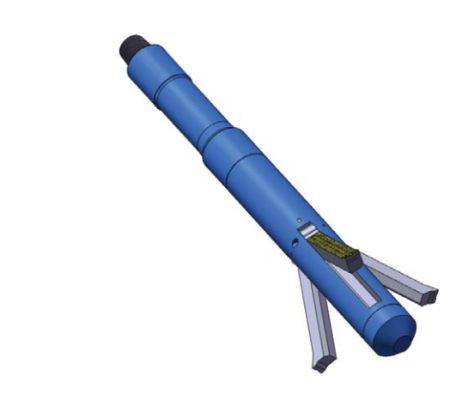
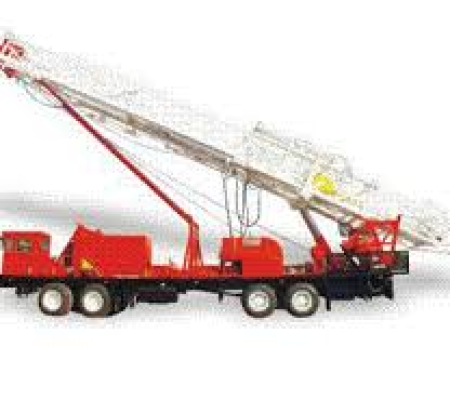
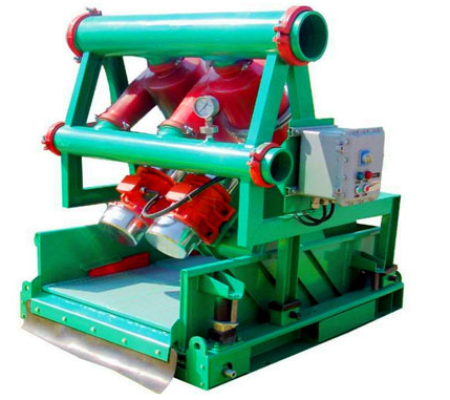
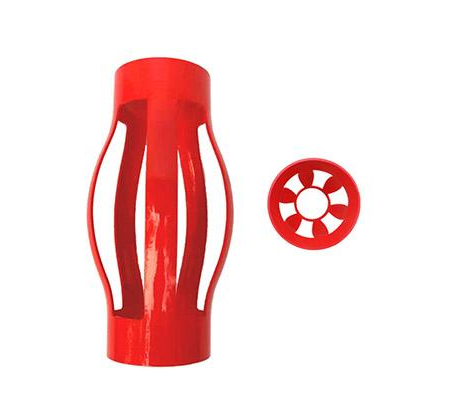
In the operation of downhole tools in oil wells, clamps play a crucial role in fixing and transmitting force. Insecure clamping not only affects operational efficiency but can also pose safety hazards. Therefore, understanding the causes of insecure clamping is essential for improving downhole tool solutions and ensuring smooth operation.

The Influence of Clamp Structure and Condition on Clamping Effectiveness
Clamps operate under high loads for extended periods, making their clamping parts prone to wear or deformation. Changes in the smoothness of the clamp teeth surface reduce friction, directly affecting clamping stability. Dimensional deviations or damage to critical components can also lead to uneven force distribution, resulting in loosening.
Furthermore, aging or performance degradation of the internal force transmission structure of the clamp often weakens the overall clamping capacity. These issues require standardized inspection and maintenance, and should be promptly addressed through replacement or adjustment plans.
Constraints of Tool Compatibility and Operating Conditions
Insecure clamping is often related to the compatibility between the clamped tool or tubing string. When the clamp specifications do not perfectly match the target object, insufficient contact area reduces clamping effectiveness. Under complex well conditions, changes in external forces can amplify the impact of this mismatch.
During the design phase of oil well downhole tool solutions, fully considering the compatibility between the clamp and other tools helps reduce such problems. Simultaneously, properly controlling the operating rhythm and force application method can also improve clamping stability to some extent.
Impact of Inadequate Use and Maintenance Management
If clamps lack standardized inspection and maintenance during use, hidden problems can easily accumulate unnoticed. Residual impurities on the clamping surface and abnormal lubrication will weaken the clamping effect.
Incorporating clamp inspection and maintenance into daily management procedures is an important means of ensuring stable performance. Systematic management keeps the clamps in good working condition, contributing to improved overall operational reliability.
Conclusion
The reason for insecure clamping is often the result of the combined effects of multiple factors, including structural condition, tool compatibility, and management and maintenance. By incorporating clamp management into a comprehensive downhole tool solution and collaborating with experienced tool service teams, risks can be effectively reduced, the safety and efficiency of downhole operations can be improved, and a more robust guarantee can be provided for the smooth implementation of projects.