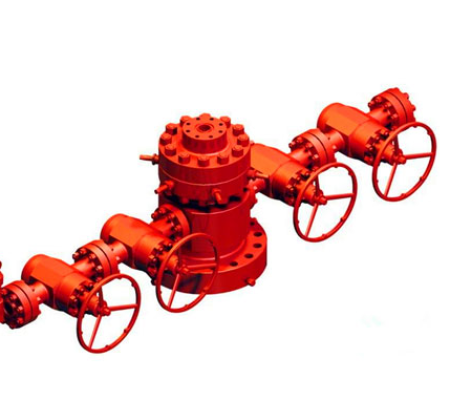
Wellhead tools are critical equipment used throughout drilling, completion, workover, and production operations. Their condition and quality directly affect operational safety, construction efficiency, and well-control reliability. Before these tools are put into service, performing thorough on-site acceptance is a mandatory step for every field team. Clear acceptance standards and a detailed inspection checklist not only prevent equipment-related downtime but also reduce risks such as blowouts and leaks. This article outlines the key acceptance criteria—covering tool integrity, parameter compliance, accessory completeness, and functional testing—and provides a practical pre-operation checklist.
1. Verify Technical Specifications: Ensure the Equipment Matches the Requirements
The first step of on-site acceptance is checking the tool’s specifications against the purchase order, technical agreements, and product nameplate. Key items include:
Pressure rating: Confirm the working pressure and test pressure meet operational requirements.
Dimensions and specifications: Check flange sizes, slip models, thread types, and other dimensions to ensure compatibility with casing and tubing.
Material grade: Verify if materials meet requirements for anti-sulfur, anti-corrosion, or high-strength environments.
Certification: Ensure the tool has a valid factory certificate, test report, and pressure-test records.
Accurate parameter verification forms the foundation for safe use at the wellsite.
2. Conduct Appearance Inspection: Ensure No Damage or Deformation
Transportation and storage may cause wear, corrosion, or structural issues. A detailed appearance inspection should include:
Cracks, dents, or visible deformation
Signs of fatigue or corrosion on load-bearing areas
Clean, undamaged threads free of debris
Proper coating without major rust or peeling
Smooth movement of slips, worm gears, and other moving parts
Appearance checks help eliminate early-stage risks that may compromise pressure integrity or durability.
3. Inspect Accessories and Spare Parts: Ensure the Tool Is Fully Equipped
Reliable wellhead tool performance depends on complete supporting components. During acceptance, confirm:
Gaskets and sealing rings are complete and match the required specifications
Flange bolts and nuts are present and meet strength levels
Auxiliary tools, clamps, and wrenches are included
Locking parts, clamps, and caps match the tool model
Missing accessories are a common cause of installation delays; checking them early prevents interruptions.
4. Perform Functional Testing: Verify Pressure, Sealing, and Operational Reliability
The true safety of wellhead tools lies in their pressure-bearing and sealing performance. On-site acceptance should include:
Pressure testing: Ensure no leaks or deformation under specified test pressures.
Seal integrity testing: Verify that rubber seals and metal sealing surfaces maintain airtight performance.
Operational checks: Confirm smooth valve operation and responsive slip movement.
Fit-up testing: Conduct trial assembly with existing wellhead equipment to confirm dimensional accuracy.
These tests reveal hidden issues in advance, strengthening well-control safety.
5. Verify Documentation: Ensure Traceability and Compliance
Complete documentation is essential for regulatory compliance and safe tool usage. Before operation, confirm:
Factory inspection sheets and pressure test records
Parts list and material certificates
Installation and safety instructions
Maintenance or service history (for reused equipment)
Incomplete documentation may cause regulatory issues or prevent onsite approval.
Conclusion
On-site acceptance of wellhead tools is the frontline defense of operational safety. From verifying specifications to inspecting appearance and performing functional tests, every step plays a critical role. Strictly following a pre-operation checklist not only reduces well-control risks but also improves work efficiency. For any wellsite team, establishing and executing a standardized acceptance process is essential for safe and successful oil and gas operations.