In oil and gas operations, wellhead tools work under long-term high pressure, vibration, temperature fluctuations, and corrosive environments. As equipment ages, its reliability gradually decreases, increasing the risk of failures and operational accidents. Understanding the signs of wellhead tool aging and learning how to identify them early can help companies reduce downtime and ensure operational safety. This article explains common aging indicators and provides practical detection advice.

Surface Wear and Corrosion
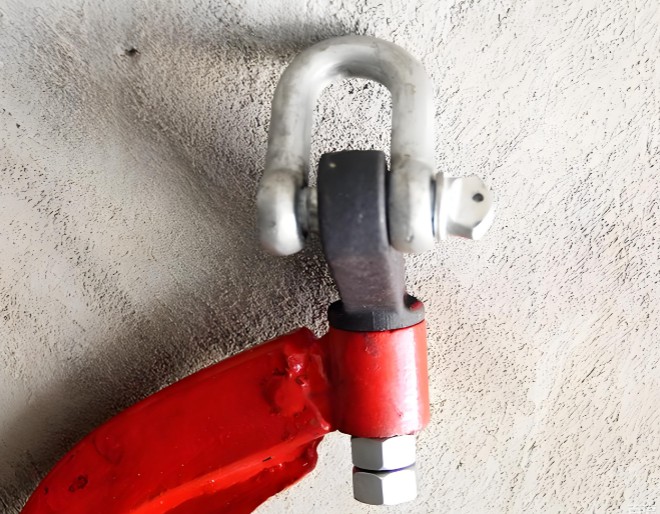
Surface wear is one of the most intuitive signs of tool aging. Tools that are frequently exposed to friction or impact tend to show scratches, dents, and deformation. Additionally, harsh environments such as high humidity or chemical exposure can accelerate corrosion. Once rust spots or pitting appear on metal surfaces, the structural strength may already be compromised. Regular visual inspections can help detect these issues early and prevent further damage.
Seal Failure and Leakage
Many wellhead tools rely on seals to maintain pressure integrity. Over time, seals may harden, crack, or lose elasticity due to temperature cycles and chemical erosion. When seals begin to fail, operators may notice fluid seepage, pressure drops, or abnormal odors. Any leak around connections, valves, or pressure control components should be treated as a warning sign. Timely replacement of worn seals can prevent major equipment failures.
Reduced Mechanical Performance
Aging tools often show reduced mechanical performance, such as slower movement, increased resistance during operation, or inconsistent torque. This can be caused by worn internal components, insufficient lubrication, or deformation. For example, slips may no longer clamp tightly, and tongs may feel unstable during use. Monitoring performance trends helps determine whether the tool is approaching its service limit.
Abnormal Noise and Vibrations
When internal components become loose or worn, unusual noise and increased vibrations are common. Clicking, grinding, or rattling sounds during operation indicate that parts are no longer fitting correctly. These signs should not be ignored, as they often precede mechanical failure. Using diagnostic tools or vibration sensors can help identify hidden issues.
Failure Frequency Increases
If a tool requires repairs more frequently than before, this is a clear sign of aging. Repeated failures often indicate that internal fatigue has accumulated and simple repairs can no longer restore reliability. Tracking maintenance history helps determine whether replacement is more cost-effective than continuous repair.
Conclusion
Identifying the aging signs of wellhead tools in time is crucial for ensuring safety and productivity in oilfield operations. Visible wear, corrosion, seal failures, reduced performance, abnormal noises, and increasing repair frequency all indicate potential aging. By conducting routine inspections, recording maintenance data, and following standardized replacement schedules, companies can minimize risks and extend equipment life. Investing in preventive maintenance is far more economical than dealing with unexpected equipment failures.