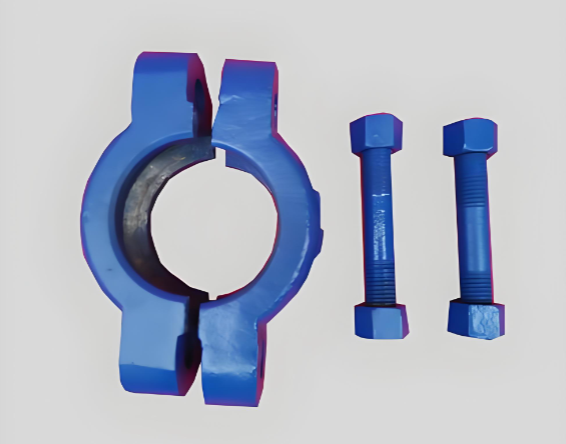
In oil well operations, wellhead tools are essential equipment to ensure safe operations and improve efficiency. Understanding the cost composition of wellhead tools not only helps companies budget effectively but also optimizes procurement strategies and enhances return on investment. So, what exactly makes up the cost of wellhead tools? This article provides a detailed breakdown.

Material Costs
Materials are the foundational component of wellhead tool costs. Wellhead tools are typically made from high-strength alloy steel, high-temperature and corrosion-resistant materials, and specialized alloys. These materials not only determine the durability and performance of the tools but also directly affect their cost. Particularly in high-temperature and high-pressure environments, the cost of quality materials often accounts for a significant portion of the total expense, making it a key factor in cost control.
Manufacturing and Processing Costs
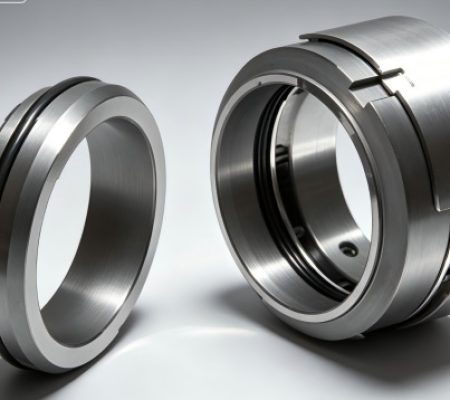
Manufacturing and processing also represent a significant portion of wellhead tool costs. Tools undergo precision casting, machining, heat treatment, surface treatment, and other complex procedures. These processes require advanced equipment, technology, and craftsmanship, which increase the overall cost. For example, core components like slips and rotating heads require precision machining to ensure safety and reliability.
Design and R&D Costs
As wellhead tools become more complex and increasingly automated, design and research and development (R&D) costs are becoming more significant. During new product development, companies invest heavily in design, material testing, performance evaluation, and operational simulations. R&D expenses directly influence a product’s innovation and market competitiveness.
Inspection and Quality Control Costs
Wellhead tools are critical safety equipment, so strict inspection and quality control are essential. This includes raw material testing, process inspection, finished product testing, and pressure testing. Although these costs are not always reflected in the product price, they are crucial for ensuring reliability and extending service life.
Transportation and Storage Costs
Wellhead tools are usually large and heavy, making transportation and storage costs significant. In cross-regional supply chains, transportation fees, loading and unloading charges, and warehouse management expenses can account for 10%-15% of the total cost. Efficient logistics management not only reduces costs but also ensures timely tool delivery, safeguarding project schedules.
Management and Labor Costs
Production and sales of wellhead tools also involve management and labor costs, including salaries for factory managers, technical staff, and personnel responsible for production planning and quality management. While the per-unit share may be small, these costs accumulate and form an important part of overall expenses.
Other Costs
In addition to the main costs, wellhead tools may also involve marketing expenses, after-sales service costs, and R&D patent or certification fees. Although these represent a small fraction per unit, they play a crucial role in enhancing brand value and market recognition.
Conclusion
In summary, the cost of wellhead tools is primarily composed of material costs, manufacturing and processing costs, design and R&D, inspection and quality control, transportation and storage, management and labor, and other ancillary costs. By thoroughly analyzing these components, companies can implement refined cost management, improve investment efficiency, and ensure safe and reliable oil well operations. Understanding the cost composition also provides valuable insights for future technological innovation and product optimization.