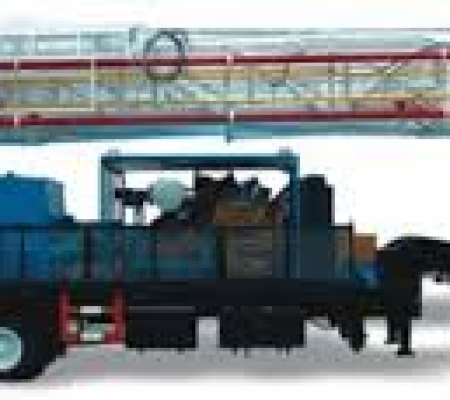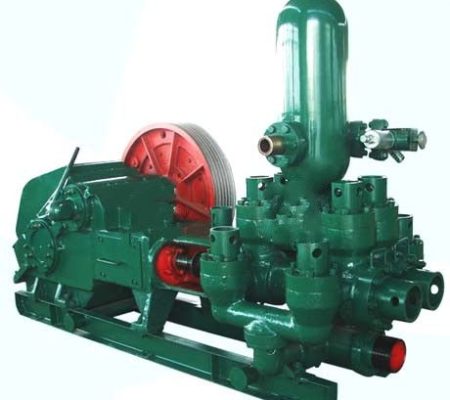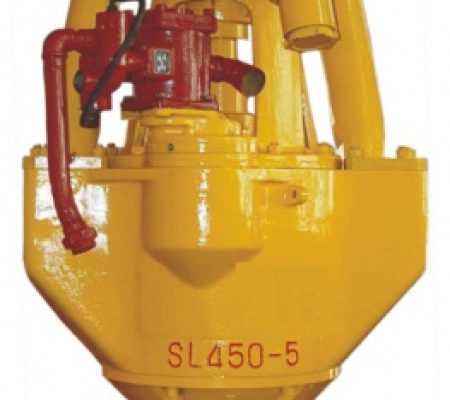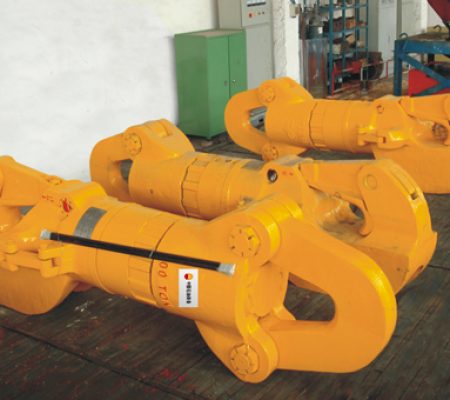
In modern drilling and engineering construction, equipment selection directly affects construction efficiency, cost control, and overall project quality. Among them, mechanical drilling rigs and hydraulic drilling rigs are the two most widely used types. Although both are used for drilling operations, they differ fundamentally in power transmission, control methods, and engineering adaptability. Understanding these differences helps make more informed equipment choices under different project conditions, thereby improving overall efficiency and economic performance.
Power System and Transmission Method Comparison
The differences in power structure between mechanical and hydraulic drilling rigs determine their overall operating mode and energy efficiency.
- Mechanical drilling rigs transmit power directly through rigid mechanical structures such as gears and drive shafts. The structure is relatively simple, but there is impact and energy loss during transmission.
- Hydraulic drilling rigs convert mechanical energy into hydraulic energy through a pump and then drive actuators via cylinders or hydraulic motors. The transmission is smoother and more energy-efficient.
Operation Method and Control Precision Comparison
Differences in control methods directly affect construction accuracy and automation level.
- Mechanical drilling rigs rely mainly on manual operation with fixed adjustment methods, resulting in limited control precision and less flexibility in complex conditions.
- Hydraulic drilling rigs use hydraulic control systems for continuous speed adjustment and precise control, supporting automation and even remote operation with stronger adaptability.
Construction Efficiency and Operational Stability Comparison
In real engineering applications, efficiency and stability are key performance indicators.
- Mechanical drilling rigs offer certain efficiency advantages in simple formations, but have limited improvement potential in complex geological conditions and may generate vibration during long-term operation, affecting stability.
- Hydraulic drilling rigs can adjust parameters in real time according to formation changes, offering higher drilling efficiency and smoother operation, making them suitable for continuous high-intensity work.
Engineering Application Scenario Comparison
Different engineering environments require different equipment performance, which determines their usage range.
- Mechanical drilling rigs are suitable for shallow drilling, basic geological surveys, or budget-limited projects, and are highly cost-effective in small-scale or temporary operations.
- Hydraulic drilling rigs are suitable for deep well projects, complex formations, and high-precision drilling tasks, and are widely used in large-scale energy development and modern engineering projects.
Maintenance Cost and Long-Term Economic Comparison
From a long-term perspective, both equipment types differ significantly in maintenance and operating costs.
- Mechanical drilling rigs have a simple structure and are easy to maintain with low initial investment and maintenance costs, but offer limited long-term efficiency and stability improvements.
- Hydraulic drilling rigs have a more complex system and higher requirements for oil and sealing maintenance, but offer greater operational stability, longer service life, and better long-term economic performance.
Industry Development Trend Comparison
As engineering technology continues to advance, the development paths of the two types of rigs are also diverging.
- Mechanical drilling rigs are gradually shifting toward low-cost, basic construction, and specific application scenarios, still maintaining a presence in standardized projects.
- Hydraulic drilling rigs are moving toward intelligence, automation, and high efficiency, increasingly becoming the mainstream choice in complex and high-end engineering applications.
Although mechanical and hydraulic drilling rigs belong to the same category of drilling equipment, they differ significantly in structural design and engineering adaptability. Mechanical drilling rigs are characterized by simple structure and low cost, making them suitable for basic construction and simple working conditions. Hydraulic drilling rigs, on the other hand, offer higher control precision, stability, and automation capability, and are becoming increasingly important in modern engineering systems. As the industry continues to move toward higher efficiency and intelligence, hydraulic drilling rigs will expand their application scope, while mechanical drilling rigs will remain focused on specific or cost-sensitive projects. Choosing the right equipment not only improves construction efficiency but also effectively reduces overall project costs, ensuring long-term operational stability.