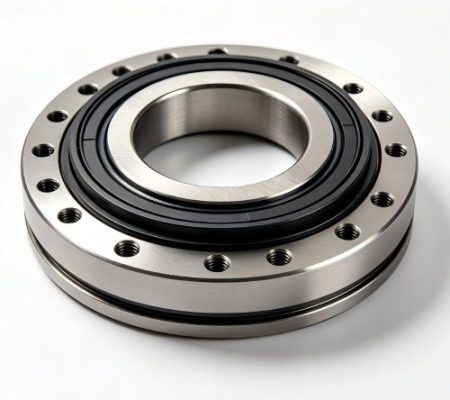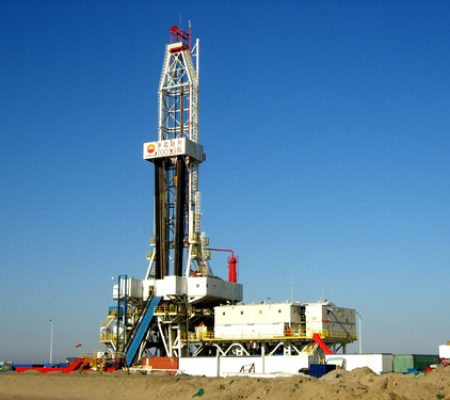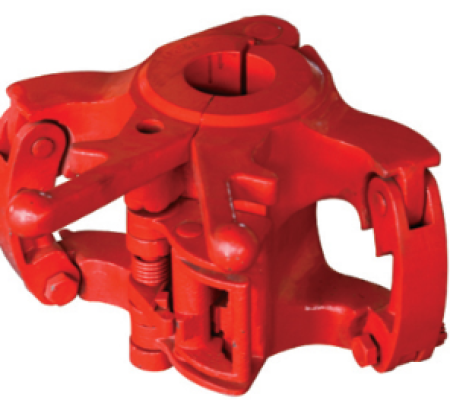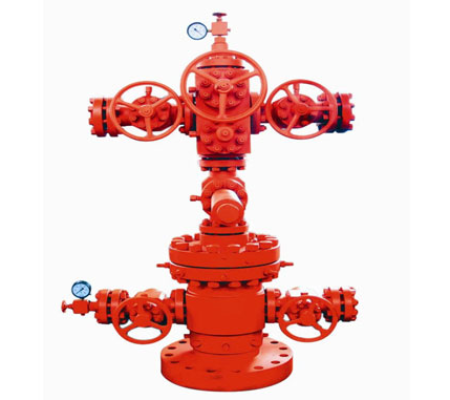
Offshore oilfield operations involve complex and variable environments, placing extremely high demands on equipment reliability and safety. Wellhead tools, as a critical component in oil well operations, provide essential support and sealing functions. Due to the unique conditions at sea, the design, materials, and operational standards of wellhead tools must meet stricter requirements. Understanding the special application needs of wellhead tools in offshore oilfields is crucial for ensuring operational safety and efficiency.
High Corrosion Resistance Requirements
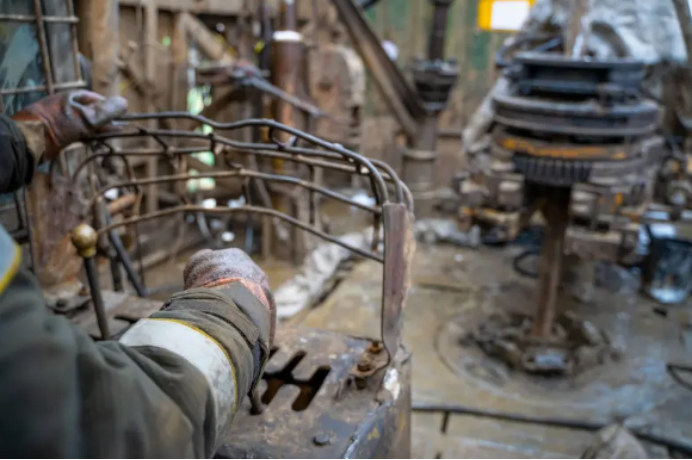
Offshore oilfields are constantly exposed to seawater, salt spray, and humid conditions, which can cause corrosion of wellhead tools. Corrosion of critical parts such as threads, valves, and sealing surfaces can directly affect connection strength and sealing performance. Offshore wellhead tools often use corrosion-resistant high-alloy steel or feature surface treatments and protective coatings to enhance durability. Regular inspection and maintenance of anti-corrosion measures are also essential in offshore operations.
Ability to Withstand High Pressure and Load Fluctuations
Oil wells in offshore fields typically involve high pressure, high temperature, and fluctuating fluid loads. Wellhead tools must have sufficient pressure-bearing capacity and fatigue resistance. Components like threads, flanges, and valve bodies are designed to withstand cyclic high-pressure loads, ensuring long-term safe operation. Engineering design and material selection should account for the impact of load fluctuations on structural integrity, ensuring stable and reliable performance in complex environments.
Space-Constrained Operations and Remote Control
Limited space on offshore platforms imposes restrictions on tool installation and maintenance. Wellhead tools need to be designed for ease of operation in tight spaces and to be compatible with mechanical arms or remote operation systems, reducing the need for direct human contact. Remote operation not only increases efficiency but also enhances personnel safety. Modern offshore wellhead tools often integrate remote-controlled valves or automated monitoring systems to support offshore operational needs.
High Reliability and Safety Standards
Equipment failure in offshore oilfields can lead to serious accidents. Wellhead tools must meet international and industry safety standards, such as API (American Petroleum Institute) and ISO certifications, ensuring high reliability in design, manufacturing, and testing. Offshore wellhead tools undergo rigorous pressure testing, corrosion testing, and fatigue testing to guarantee stable performance under extreme conditions.
Environmental Adaptability and Maintenance Convenience
Offshore environments are characterized by strong winds, waves, and temperature variations. Wellhead tools must adapt to these conditions and be easy to maintain. Tools should have well-structured layouts, with critical components accessible for inspection, reducing maintenance time and costs. Some wellhead tools feature modular designs, allowing individual parts to be replaced or upgraded quickly, ensuring continuous and efficient offshore operations.
Conclusion
The offshore oilfield environment imposes higher performance requirements on wellhead tools, including corrosion resistance, pressure tolerance, operational convenience, high reliability, and environmental adaptability. Understanding these special application needs helps companies select the right wellhead tools, ensuring safe and efficient offshore operations. Through proper design, material selection, and maintenance, wellhead tools can perform reliably in harsh offshore conditions, supporting long-term oilfield production.