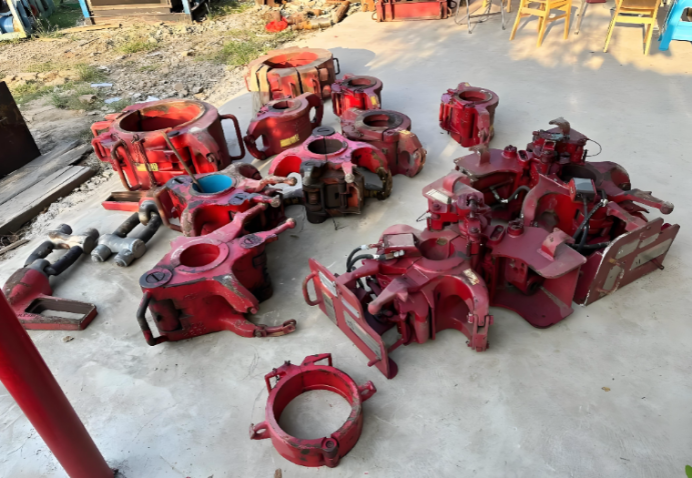
In oil well operations, wellhead tools are essential equipment that ensure safety and operational efficiency. However, many companies find that these tools are prone to frequent damage, which increases maintenance costs and disrupts project schedules. Understanding the reasons why wellhead tools are easily damaged can help companies take effective measures to extend equipment life and improve both safety and economic efficiency. This article analyzes the main causes of wellhead tool damage from four aspects: material quality, operation, environment, and maintenance, and provides practical recommendations.
Substandard Material Quality
Wellhead tools must withstand high pressure, high temperature, and strong friction during operations. If the materials used are not strong enough or lack corrosion resistance, the tools are likely to crack, wear, or break. For example, low-quality steel may fatigue and fracture under high-pressure conditions, and inadequate protective coatings may lead to rust in wells containing sulfur or salt, reducing the tool’s lifespan. Therefore, selecting high-strength, corrosion-resistant materials is key to minimizing damage.
Improper Operation Leading to Wear
Improper handling during use can accelerate wellhead tool damage. For instance, slips, slips’ wedges, and gate valves may suffer surface scratches, deformation, or breakage if excessive force or speed is applied during clamping or operation. Frequent overloading or using the tools beyond their design limits also increases stress and shortens service life. Following standard operating procedures is critical to preventing premature wear.
Challenging Operational Environments
Oil well operations often involve complex and harsh environments, including high temperature, high pressure, corrosive fluids, and solid particle impacts, all of which can accelerate tool aging. In deep wells, high-temperature fluids can reduce metal strength, high-pressure flows can impact seals and threads, and corrosive chemicals can damage protective surfaces. Offshore wells are particularly vulnerable to saltwater corrosion, which further increases the risk of tool damage.
Lack of Timely Maintenance
Regular maintenance is essential to ensure the long-term stability of wellhead tools. Ignoring routine inspections and upkeep can allow minor cracks, loose threads, or insufficient lubrication to develop into severe damage. For example, lack of lubrication on slip friction surfaces accelerates wear, and uninspected threaded connections may loosen and fail. Timely maintenance and care can significantly extend tool life.
Design Flaws and Aging
Some wellhead tools have design flaws, such as inadequate load-bearing structures or seals that cannot withstand high temperatures or corrosive conditions, making them prone to damage. Additionally, long-term use naturally causes metal fatigue, seal aging, and surface wear. Failure to replace or upgrade tools in time increases the likelihood of damage.
Conclusion
Wellhead tools are prone to damage due to multiple factors, including material quality, operational methods, environmental conditions, maintenance practices, and design or aging issues. Companies should focus on selecting high-quality materials, following standardized operational procedures, conducting regular maintenance, and monitoring tool design and service life. By taking these comprehensive measures, the frequency of wellhead tool damage can be reduced, ensuring safer and more efficient oil well operations.