In oil and gas extraction, wellhead tools are essential equipment that ensure safe and smooth wellsite operations. From shallow wells to ultra-deep wells, differences in depth lead to significant variations in formation pressure, temperature, and operational complexity—meaning the requirements for tool strength, reliability, and functional adaptability also vary. Selecting the wrong tools may increase operational risks and even cause serious incidents such as stuck pipe, pressure loss, or tool failure. This article analyzes the key requirements for wellhead tools at different well depths and provides guidance for more accurate tool selection and usage.
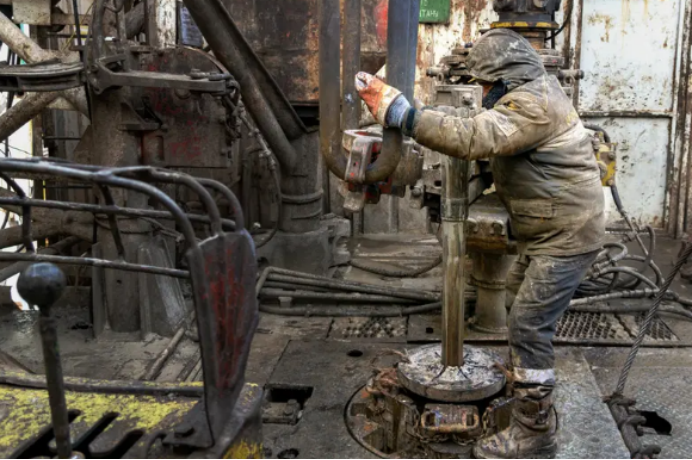
1. Shallow Wells: Prioritizing Flexibility and Ease of Operation
Shallow wells typically have low formation pressure and relatively mild temperatures, with simple operational demands. In these conditions, the primary focus is easy handling, quick installation/removal, and cost-effectiveness.
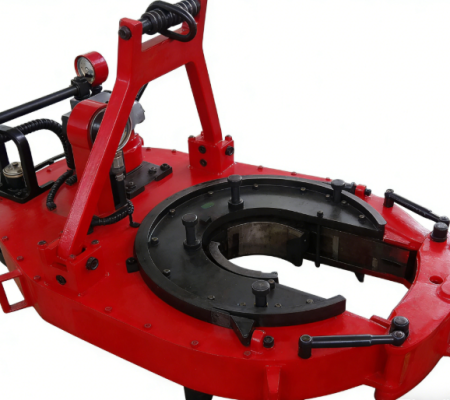
Tools such as slips, tongs, and breakout tools often emphasize lightweight design and fast gripping capability to shorten job time. Because shallow wells involve frequent maintenance and routine tasks, standardized and universal tool models are preferred to allow convenient on-site replacement and flexible deployment.
2. Medium-Depth Wells: Higher Strength and Stability Requirements
As well depth increases, pressure, temperature, and drag forces rise significantly. Wellhead tools must therefore offer higher structural strength and durability. Key requirements include:
High-Strength Alloy Materials
Tools like slips, elevators, and clamps must withstand increased loads and are usually made from materials with higher tensile strength.
Enhanced Sealing Performance
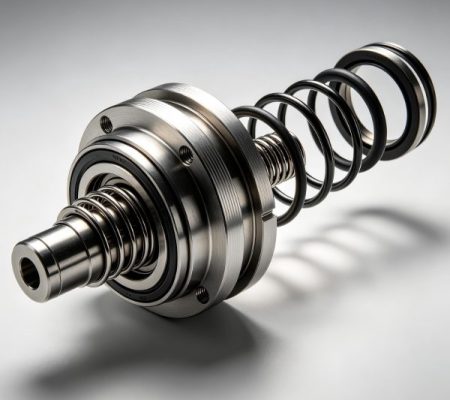
During cementing or workover operations, BOPs, connectors, and sealing components must function reliably under higher pressure to prevent blowout risks.
Improved Temperature Resistance
Coiled tubing tools, pipe-handling tools, and other equipment must withstand elevated temperatures without performance decline.
Medium-depth wells already involve higher operational risks, making compliance with industry standards and safety ratings critical during tool selection.
3. Deep Wells: Emphasizing Heavy-Load Capacity and Extreme-Condition Resistance
Deep wells commonly exceed 4,000 to 6,000 meters and are characterized by high formation pressure, high temperature, and complex wellbore conditions. From slickline operations to running tools and pipe handling, every stage requires wellhead tools with high load capacity and extreme-environment durability.
Typical features of deep-well tools include:
Reinforced structural design, such as larger contact-area slips, heavy-duty elevators, and high-torque breakout tools
High-temperature materials that resist deformation and softening
Corrosion-resistant surface treatments to handle H₂S, brine, and other corrosive media
Deep-well operations are costly and risky, so tools must undergo strict testing to ensure stability even under extreme conditions.
4. Ultra-Deep and Special Wells: Strong Demand for Customized Tools
With the rise of unconventional resource development, more wells exceed 7,000 meters, including HPHT wells, horizontal wells, and geothermal wells.
These environments require custom-engineered wellhead tools, such as:
Ultra-high temperature resistance, able to withstand temperatures above 200°C
Ultra-high pressure ratings for wellhead pressure containment
Specialized structural adaptations, such as greater lateral support for horizontal wells or enhanced corrosion resistance for geothermal wells
Standardized tools are often insufficient for such applications, making customized designs necessary.
Conclusion: Well Depth Dictates Tool Selection—There Is No One-Size-Fits-All
The depth of a well directly determines the required strength level, temperature resistance, sealing performance, and material specifications of wellhead tools. Shallow wells prioritize efficiency, medium-depth wells prioritize strength, deep wells require extreme-condition durability, and ultra-deep wells rely on customized solutions.
To ensure operational safety and extend tool lifespan, operators must choose wellhead tools based on true well conditions and industry standards. Proper selection not only reduces risks but also improves efficiency—forming a solid foundation for safe and efficient oilfield operations.