In the exploration and development of energy resources such as oil and natural gas, drilling equipment, like steel behemoths, digs deep into the earth. The core force driving the efficient operation of these behemoths is the hydraulic system acting as the “muscles and nerves” of the equipment. By precisely transmitting power and control signals, it allows drilling operations to proceed stably and efficiently even under complex geological conditions. From deep-sea drilling platforms to onshore shale gas development, the performance of the hydraulic system directly determines drilling efficiency, safety, and economy, making it an indispensable key technology in modern energy extraction.
Hydraulic System: The Power Hub of Drilling Equipment
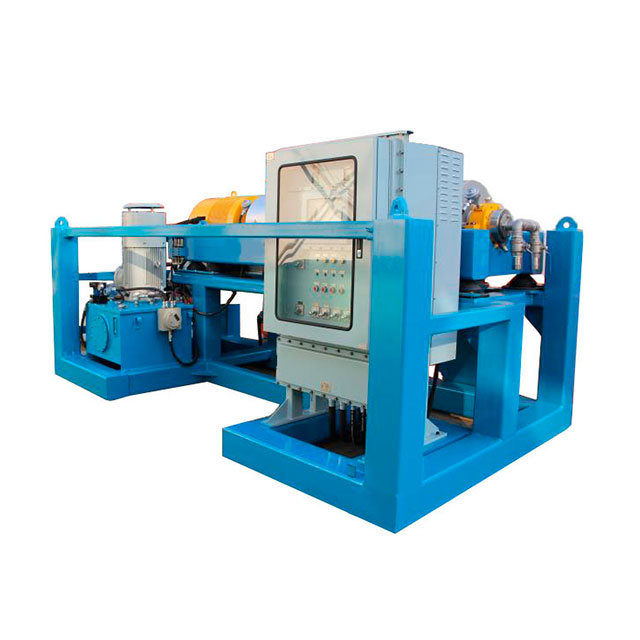
The hydraulic system of drilling equipment mainly consists of core components such as hydraulic pumps, control valves, hydraulic cylinders, hydraulic motors, and hydraulic oil. Its core function is to convert mechanical energy into hydraulic energy, which then drives the various actuators of the drilling equipment. For example, during drilling, the hydraulic system provides power to the drilling pump, enabling it to circulate drilling fluid at high pressure and high flow rate, cooling the drill bit and carrying cuttings; simultaneously, the hydraulic system also controls the rotation, lifting, and lowering of the drill pipe, ensuring the precision of drilling operations. Taking deep-sea drilling platforms as an example, their hydraulic systems must withstand water pressure at depths of hundreds of meters and complex sea conditions. Through multi-stage hydraulic pumps and redundant design, they ensure stable power output even in extreme environments, providing reliable support for deep-sea oil and gas development.
Precise Control: The Technological Soul of Hydraulic Systems
Drilling operations place extremely high demands on the control precision of hydraulic systems. During drilling, the drill bit needs to adjust its rotational speed and torque in real time according to the formation hardness to avoid stuck drill bit or drill bit wear. During tripping in and out of the well, the hydraulic system must precisely control the lifting and lowering speed and position of the drill pipe to prevent downhole accidents. Modern hydraulic systems achieve continuous and precise adjustment of hydraulic cylinders and motors through electro-hydraulic proportional control technology. For example, in shale gas development, horizontal well drilling requires controlling the drill bit to extend along a preset trajectory thousands of meters underground. The hydraulic system uses sensors to provide real-time feedback on the drill bit’s position and attitude, combined with closed-loop control algorithms, to dynamically adjust hydraulic parameters, ensuring the accuracy of the drilling trajectory. This “intelligent control” capability not only improves drilling efficiency but also significantly reduces non-productive time and costs.
Reliability and Durability: The Survival Rules of Hydraulic Systems
Drilling equipment operates in extremely harsh environments: high temperature, high pressure, vibration, corrosion… Hydraulic systems must operate stably under these extreme conditions for extended periods. Therefore, the design and manufacture of hydraulic components require high-strength materials and specialized processes. For example, the gears and bearings of hydraulic pumps undergo special heat treatment to withstand high-pressure impacts; hydraulic oil must possess excellent anti-wear, anti-foaming, and anti-oxidation properties to prevent deterioration at high temperatures; and seals must use corrosion-resistant materials such as fluororubber to ensure no leakage under drilling fluid corrosion. Furthermore, hydraulic systems are equipped with multiple filtration and cooling devices to prevent impurities from entering the system and causing wear, while heat dissipation design controls oil temperature to avoid performance degradation due to overheating. In high-temperature and arid regions such as the Tarim Basin, the reliability and durability of the hydraulic system directly determine the continuity of drilling operations.
Intelligent Upgrade: The Future Direction of Hydraulic Systems
With the development of IoT and AI technologies, drilling equipment hydraulic systems are upgrading from “mechanical control” to “intelligent sensing.” By embedding sensors in hydraulic components, the system can monitor parameters such as pressure, flow rate, and temperature in real time. Combined with big data analysis, it can predict fault risks and achieve “preventative maintenance.” For example, an intelligent hydraulic system developed by a certain company can analyze the vibration spectrum of the hydraulic pump to identify bearing wear or gear failures in advance, shortening the maintenance cycle by 30%. Simultaneously, the system can automatically adjust hydraulic parameters according to drilling conditions, optimizing energy consumption and reducing operating costs. This “self-sensing, self-diagnosing, and self-optimizing” capability is driving the evolution of drilling equipment hydraulic systems towards higher efficiency and lower costs.
From the deep sea to land, from traditional drilling to intelligent development, drilling equipment hydraulic systems have always been the power engine and intelligent core of energy extraction. With precise control, reliable performance, and intelligent upgrades, they support humanity’s exploration and utilization of underground resources. In the future, with continuous technological advancements, hydraulic systems will continue to push the limits, injecting even stronger momentum into the sustainable development of the energy industry.