As oil and gas development continues to move toward more complex well types, directional wells and horizontal wells have become key technologies for improving single-well productivity and overall development efficiency. Compared with vertical wells, these two well types differ significantly in wellbore structure, load conditions, and operational characteristics, placing higher demands on the selection, installation, and use of wellhead tools. Understanding these differences is essential for ensuring wellhead safety and operational stability.
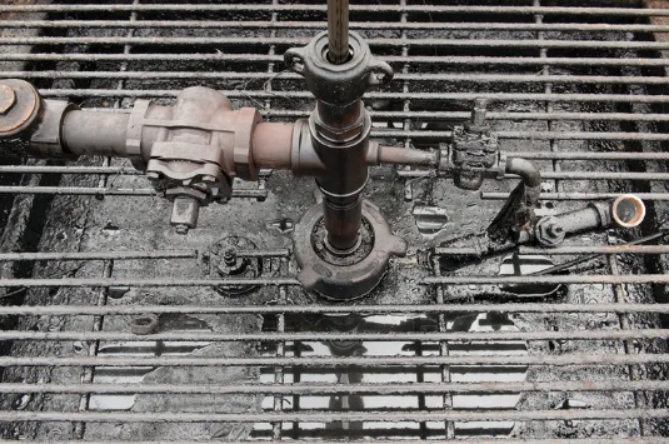
I. Differences in Well Characteristics Between Directional and Horizontal Wells
Directional wells control the well trajectory to gradually increase the inclination angle, enabling obstacle avoidance or precise targeting of the reservoir. Although deviated, the wellbore still extends downward at an angle, and the internal load conditions exhibit directional variation.
Horizontal wells, after entering the target formation, reach an inclination angle close to or equal to horizontal. These wells feature long lateral sections and extensive contact between the tubing and the wellbore wall, which places more stringent requirements on the load-bearing capacity and sealing performance of the wellhead system.
II. Characteristics of Wellhead Tool Use in Directional Wells
In directional wells, wellhead tools must adapt to load offsets caused by changes in well inclination. In addition to axial loads, the wellhead equipment is also subjected to lateral forces. As a result, stability and alignment are critical considerations during tool design and installation.
Operationally, wellhead tools in directional wells emphasize connection reliability and resistance to eccentric loading, ensuring stable long-term performance throughout drilling and completion operations.
III. Characteristics of Wellhead Tool Use in Horizontal Wells
Due to long laterals and increased friction, horizontal wells experience significantly higher resistance acting on the tubing string. Under such conditions, wellhead tools must offer greater load-bearing capacity and superior sealing performance to cope with complex stress environments.
Moreover, horizontal wells typically have longer operational lifecycles, which places higher demands on wear resistance and fatigue resistance. Any performance degradation in wellhead tools can directly compromise overall production safety.
IV. Differences in Sealing and Pressure Control Requirements
Both directional and horizontal wells rely on wellhead tools for effective pressure control, but the focus differs. Directional wells place greater emphasis on maintaining sealing integrity under varying inclination and eccentric loading conditions, preventing seal failure caused by misalignment.
Horizontal wells, by contrast, prioritize long-term sealing reliability under sustained high-pressure conditions. Wellhead tools must maintain consistent performance during repeated operations and continuous pressure exposure to avoid safety risks.
V. Different Considerations in Installation and Maintenance
For directional wells, precise alignment during wellhead tool installation is critical to minimizing additional loads caused by eccentricity. Subsequent maintenance focuses on checking for wear or loosening at connection points resulting from offset loads.
In horizontal wells, maintenance efforts concentrate more on sealing components and load-bearing structures. Given the extended operating periods, regular inspection and performance evaluation are essential for extending the service life of wellhead tools.
VI. Impact of Well Type Differences on Wellhead Tool Selection
Different well types require different selection strategies for wellhead tools. Directional wells emphasize structural stability and adaptability to changing well inclination, while horizontal wells require a balance between load capacity, durability, and sealing performance.
A scientific and targeted selection approach helps ensure that wellhead tools perform optimally under varying well conditions and effectively reduce operational risks.
Conclusion
The structural and operational differences between directional wells and horizontal wells directly determine the varying performance requirements and usage approaches for wellhead tools. Only by fully understanding these differences and making targeted adjustments in tool selection, installation, and maintenance can wellhead systems operate safely and reliably under complex well conditions, providing strong support for efficient oil and gas development.