Elevator links are key components in the elevator drive system, directly affecting operational stability, load capacity, and service life. Selecting inappropriate link specifications can lead to abnormal elevator operation, increased maintenance costs, and potential safety hazards. Therefore, scientifically choosing the right specifications for elevator links is crucial for ensuring efficient and safe elevator performance.
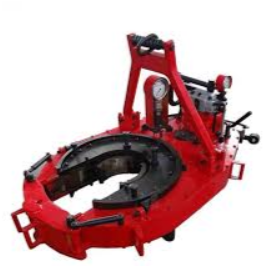
Selecting Link Specifications Based on Load Capacity
Elevator links must withstand the forces transmitted from the cabin and passengers, so the diameter, length, and material of the link should match the elevator’s rated load. Elevators with higher load requirements need stronger links to prevent bending, fracture, or fatigue failure during long-term use. When selecting a link, it is important to refer to the manufacturer’s load standards and mechanical calculations to ensure a sufficient safety factor under maximum load.
Considering Material and Strength Indicators
Elevator links are typically made from high-strength steel or alloy materials, and material properties directly affect tensile strength and durability. When choosing specifications, attention should be given to yield strength, tensile strength, and wear resistance. High-quality materials not only extend the service life of the link but also reduce the risk of elevator malfunctions caused by wear or fatigue. For elevators operating in special environments, such as high temperature, humidity, or corrosive conditions, links with corrosion resistance or anti-rust treatment should be selected.
Aligning with Installation Space and Structural Dimensions
The space within the elevator shaft and drive mechanism also affects link selection. The link length, hole spacing, and connection method must match the elevator drive system and guide mechanisms to ensure smooth installation and operation. If the link is too large or too small, it may result in loose connections, increased operational noise, or reduced transmission efficiency. Therefore, choosing the correct specifications requires careful consideration of structural layout and available installation space.
Following Safety Factors and Standards
During the specification selection process, it is essential to comply with national or industry standards, such as elevator safety regulations, to ensure the link meets adequate safety factors. Standards provide specific requirements for dimensions, materials, strength, fatigue life, and operating environment. Adhering to these regulations effectively reduces failure rates and ensures passenger safety and equipment reliability.
Conclusion
In summary, selecting the right specifications for elevator links requires a comprehensive assessment of load capacity, material strength, installation space, and compliance with standards. Properly specified links ensure smooth, safe, and reliable elevator operation, while extending service life and reducing maintenance costs. As elevators are frequently used public facilities, careful selection of link specifications is essential—well-chosen elevator links are a key guarantee for elevator safety.