In the complex chain of oil exploration and development, drilling equipment is the core link connecting geological exploration and oil and gas production. From deep wells in the heart of deserts to ultra-deep wells on deep-sea platforms, from conventional oil and gas fields to unconventional resources such as shale gas, different operational scenarios place vastly different performance requirements on drilling equipment. How to penetrate the fog of technical parameters and accurately match equipment characteristics with project needs has become a key issue for enterprises to reduce costs, increase efficiency, and mitigate risks. Selection decisions must be based on geological conditions, measured by economic efficiency, and grounded in reliability, ultimately maximizing value throughout the entire lifecycle.

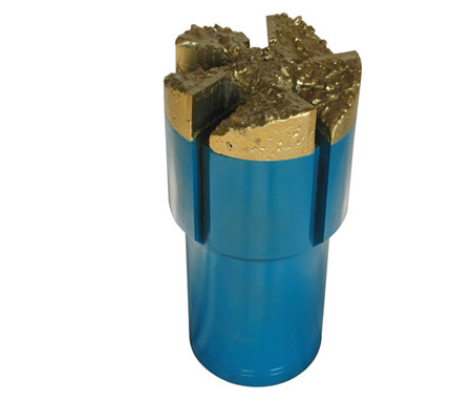
Geological conditions are the primary consideration in equipment selection. Formation hardness, temperature, pressure, and well depth design directly determine the technical parameter thresholds of the equipment. For example, in hard rock formations, diamond composite drill bits combined with high-torque top drive devices can achieve efficient rock breaking, while soft formations are more suitable for scraper drill bits combined with low rotational speeds. High-temperature, high-pressure wells require mud pumps with a temperature resistance rating exceeding 200°C and hydrogen sulfide-resistant drill pipes to prevent well control accidents caused by material failure. Ultra-deep well operations require drilling rigs with a maximum hook load exceeding 5000kN, coupled with a dynamic positioning system to ensure platform stability. Furthermore, wellbore trajectory control is also crucial—directional wells require integrated rotary guide instruments and stabilizers for precise guidance, while horizontal wells rely on intelligent drilling systems to dynamically adjust drilling pressure and rotational speed.
Economic evaluation must be conducted throughout the entire equipment lifecycle. Initial procurement costs are only the tip of the iceberg; hidden costs such as operation and maintenance, energy consumption, and consumable costs often determine the project’s profitability. Taking drilling rig drive methods as an example, although electrically driven drilling rigs have a higher initial investment, their transmission efficiency is 25% higher than that of mechanically driven rigs, and they are easier to automate, resulting in a 15%-20% reduction in long-term operating costs. Modularly designed drilling rigs can shorten the assembly and disassembly cycle by 50%, indirectly increasing the number of wells operated annually. The selection of consumables also tests decision-making wisdom—while roller cone bits have a low unit price, their lifespan in hard formations is only 1/10 that of diamond bits. By establishing a “single-well cost model” to quantify comprehensive benefits, losses throughout the entire cycle due to short-term cost underestimation can be avoided.
Reliability is a dual guarantee for safe production and project progress. In extreme operating environments, equipment failure can lead to catastrophic consequences such as blowouts and stuck pipe. Choosing equipment with international certifications such as API and ISO can reduce the failure rate by more than 40%; the double-gate structure and rapid response mechanism of the blowout preventer assembly can control the risk of well kicks to below 0.1%; the redundant design of the dynamic positioning system ensures that positioning accuracy is maintained even in the event of a single point of failure, buying critical time for well control. Furthermore, a manufacturer’s accumulated expertise and quality control system are equally crucial—companies with vertically integrated production capabilities can improve product consistency by 30%, significantly reducing unplanned downtime.
Service support systems extend the value of equipment. From installation and commissioning to operation and maintenance support, from spare parts supply to technology upgrades, end-to-end service capabilities directly impact equipment lifespan and operational efficiency. Choosing a company that provides a digital operation and maintenance platform can improve fault prediction accuracy to 85% through remote monitoring, reducing losses from unplanned downtime; equipment supporting modular upgrades can extend its lifespan by 5-8 years, avoiding premature obsolescence due to technological iterations. In addition, a localized service network ensures on-site repair within 48 hours, reducing equipment downtime by more than 60%.
In today’s oil industry, moving towards intelligent and green practices, drilling equipment selection has evolved from competition on single products to a competition on system solutions. Dongying Taiyi Petroleum Equipment Co., Ltd., with years of experience in the industry, provides customers with a full range of solutions, from deep well drilling rigs to intelligent drilling systems, based on the core principles of “geological adaptability, economic efficiency, reliability and durability, and attentive service.” Its products have passed API Q1 quality management system certification, its dynamic positioning system has reached the international advanced level, and its digital operation and maintenance platform realizes full life cycle management of equipment. Choosing Taiyi Petroleum Equipment means choosing to join hands with a professional team to reduce costs and increase efficiency with technology, win long-term value with service guarantees, and jointly open a new chapter in oil extraction.