In oil and gas wellhead operations, the Elevator Link is a critical connecting component used for the safe lifting and precise positioning of wellhead equipment, such as Christmas trees, valves, and manifolds. Whether an elevator link is installed correctly has a direct impact on lifting safety and operational efficiency. This guide provides a step-by-step overview of the complete installation process for elevator links, offering clear and practical instructions for field personnel.
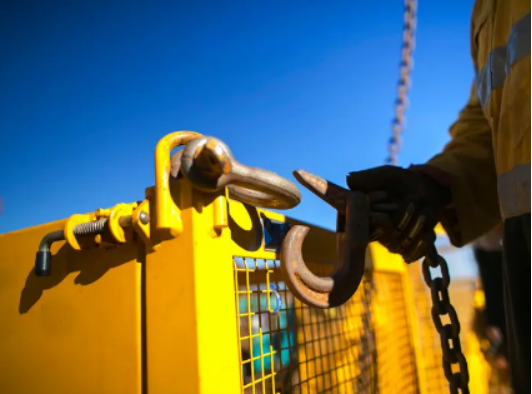
Pre-Installation Preparation and Inspection
Before installing an elevator link, thorough preparation is essential. First, verify that the specification, rated load, and model of the elevator link match the wellhead equipment requirements. Elevator links with mismatched specifications or unknown origin must not be used.
A visual and functional inspection should also be carried out, focusing on:
Cracks, deformation, or excessive wear
Thread integrity, including missing or damaged threads
Severe corrosion or rust on the surface
Any elevator link showing abnormal conditions should be replaced immediately to avoid safety risks.
Clean the Installation Area to Ensure Reliable Connection
Wellhead equipment is often exposed to drilling fluids, sand, oil residues, or protective coatings. These contaminants can affect the contact quality between the elevator link and the installation point.
Before installation, thoroughly clean the mounting hole and threads using appropriate tools or clean cloths. If necessary, apply a small amount of lubricant to the threads to reduce installation resistance, but avoid excessive lubrication that could compromise locking performance.
Correct Installation Procedure for the Elevator Link
During installation, the following standardized steps should be strictly followed:
Align the elevator link with the mounting hole, ensuring the correct load direction
Screw in the elevator link manually; do not force or hammer it into place
Tighten the elevator link to the specified position so it fits firmly against the mounting surface
Check that the elevator link can rotate smoothly and is properly oriented
The final position of the elevator link should be aligned with the main load direction to prevent side loading during lifting operations.
Tightening and Post-Installation Verification
After installation, the elevator link should not be put into immediate use. A verification check must be performed, including:
Confirming the elevator link is fully tightened
Ensuring there is no looseness or misalignment
Verifying full contact between the elevator link and the equipment surface
For critical wellhead equipment, it is recommended that inspections be conducted by at least two personnel before proceeding.
Trial Lift and Pre-Lifting Confirmation
Before performing the actual lifting operation, a low-height trial lift should be carried out. Apply load briefly and observe the elevator link to confirm even load distribution, correct orientation, and the absence of abnormal deformation or noise.
If any irregularities are detected during the trial lift, the equipment should be lowered immediately and adjustments made before continuing.
Common Installation Errors and How to Avoid Them
Common mistakes during elevator link installation include:
Lifting operations performed before the elevator link is fully tightened
Incorrect load direction resulting in side loading
Using elevator links that are fatigued or beyond their service life
Following standardized procedures and strict inspections can effectively prevent these issues and improve overall wellhead operation safety.
Conclusion
Although the elevator link is a relatively small component within wellhead tools, it plays a vital role in lifting and positioning heavy equipment. By following standardized installation procedures—from pre-installation inspection and correct tightening to trial lifting—operators can ensure safe and efficient lifting operations. Process standardization and correct installation practices are key to reliable wellhead equipment handling.