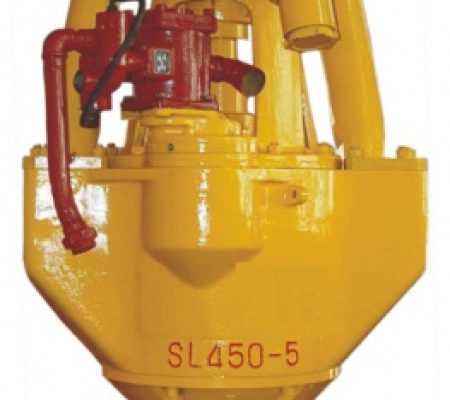
In oil drilling operations, the rotary table is the core component that drives the drill pipe to rotate and achieve rock-breaking drilling. However, due to harsh working environments and large load fluctuations, rotary table jamming is a frequent occurrence, leading to drilling interruptions, equipment damage, and even safety accidents. Quickly locating the cause of the malfunction and taking effective measures is crucial to ensuring drilling efficiency. This article will analyze common causes, emergency handling, and preventative measures to provide practical solutions for oil industry professionals.

Common Causes of Rotary Table Jamming
Rotary table jamming is usually caused by mechanical, hydraulic, or electrical system failures, requiring a comprehensive assessment based on the equipment’s operating status.
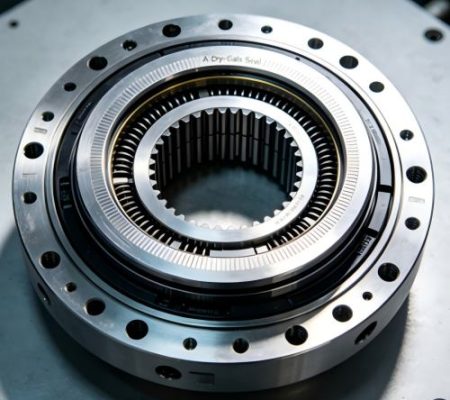
Mechanical jamming is the primary cause. Prolonged high-load operation can lead to wear on transmission components such as gears and bearings, producing metal debris or foreign objects that become lodged in the meshing surfaces; lubrication system failures (such as oil line blockages or insufficient oil levels) can exacerbate friction, causing components to overheat, expand, or even seize; in addition, installation misalignment or foundation settlement can cause uneven loading of the table, leading to localized stress concentration and jamming.
Hydraulic system failures are also common. Hydraulic oil contamination (such as excessive moisture or impurities) can corrode seals, causing internal or external leaks and resulting in insufficient system pressure. Wear on the hydraulic pump or failure of the relief valve’s pressure regulation can cause pressure fluctuations, leading to abnormal table movement. If hydraulic lines are aged and ruptured, oil loss can occur, preventing the establishment of normal operating pressure.
Electrical control abnormalities should not be ignored. Sensor malfunctions (such as distorted position sensor signals) may falsely trigger protection devices, forcibly stopping the table movement. PLC program errors or contactor sticking can cause the motor to run continuously or stop, leading to mechanical jamming. Furthermore, unstable power supply voltage or poor grounding can damage electrical components, indirectly causing system malfunction.
Emergency Handling: Steps for Quickly Resuming Operation
If the rotary table is found to be jammed, it should be handled according to the principle of “safety first, step-by-step troubleshooting.”
Step 1: Immediately stop the machine and disconnect the power. Turn off the drilling rig’s main power supply and hang a “Do Not Operate” warning sign to prevent accidental restart and secondary damage. If the jamming is accompanied by abnormal sounds or smoke, the fire emergency plan should be activated simultaneously to avoid fire risks.
Step 2: Inspect the mechanical parts. Manually rotate the machine to test the flexibility of the worktable. If the resistance is too high, remove the protective cover and check for foreign objects stuck in gears, bearings, and other components, or severe wear. Use an infrared thermometer to check the temperature of key parts. If local overheating occurs (above 80°C), allow it to cool down before handling to prevent burns.
Step 3: Troubleshoot the hydraulic system. Check the hydraulic oil level and quality. If the oil is cloudy or contains metal shavings, replace it immediately. Check the system pressure. If the pressure is lower than the rated value, check the hydraulic pump, relief valve, and pipelines. If leaks are found, tighten the joints or replace the seals, and add oil to the standard level.
Step 4: Verify the electrical control. Use a multimeter to check the power supply voltage and grounding resistance to ensure they meet equipment requirements. Check sensor signals and PLC outputs. If fault codes are found, refer to the manual for troubleshooting. If contactors are stuck, disconnect the power, manually separate the contacts, and replace the damaged components.
Preventive measures: Key to extending equipment life.
Reducing the rotation table from jamming requires starting with daily maintenance and operating procedures.
Regular maintenance is fundamental. Check lubricating oil level and quality every shift, and replace hydraulic oil and filters periodically; clean gearboxes and bearings quarterly, remove foreign matter, and apply new grease; check the levelness and coaxiality of the worktable annually, and adjust foundation or installation deviations promptly.
Standardized operation can reduce the failure rate. Avoid prolonged overload operation; drilling pressure and speed must be controlled within the equipment’s rated range; start and stop slowly to prevent impact loads from damaging transmission components; if encountering sudden formation changes (such as hard interlayers), reduce drilling speed and increase lubrication to reduce mechanical wear.
Technological upgrades can improve reliability. Install vibration monitoring and temperature sensors to monitor the worktable’s operating status in real time and provide early warnings of malfunctions; use hydraulic oil-water separators and precision filters to extend oil life; upgrade the PLC control system to add fault self-diagnosis and protection functions, reducing the risk of human error.
Rotating worktable jamming is a common failure in oil drilling equipment, but its occurrence can be significantly reduced through scientific troubleshooting and effective prevention. Those working in the field need to master the basic principles of mechanical, hydraulic, and electrical systems, develop maintenance plans based on equipment operating data, and strengthen operator training to improve emergency response capabilities. Only by combining routine maintenance with fault management can continuous and efficient drilling operations be guaranteed, creating greater value for the company.