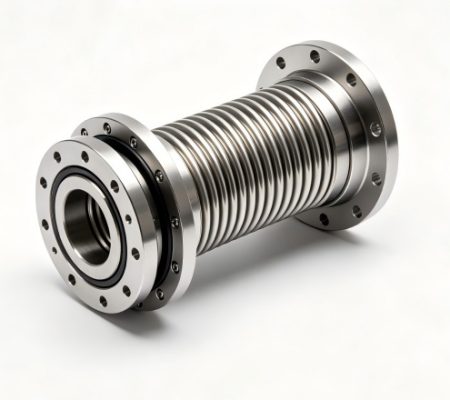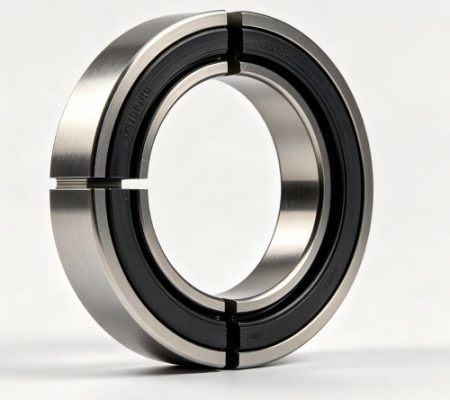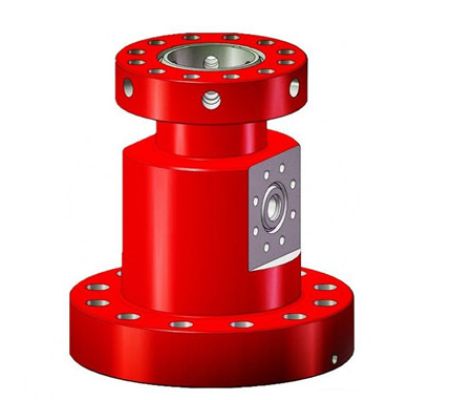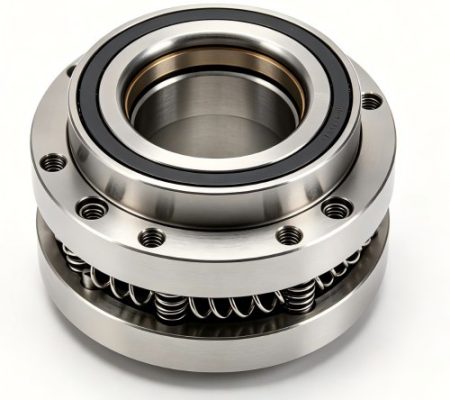

A small component inside machinery acts like a ‘mask,’ preventing liquids and gases from escaping—this is the mechanical seal. However, even the tightest ‘mask’ can leak, and common leaks have many underlying causes. Today, we’ll take a closer look at the causes of mechanical seal leakage.
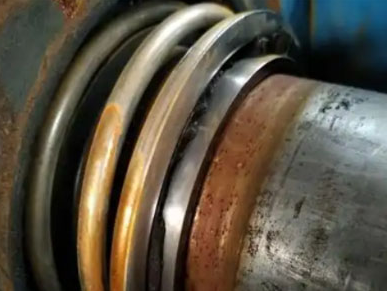
Sealing surface wear and material aging
The core of a mechanical seal is two sealing surfaces pressed together, like two pieces of rubber pressed against each other. Over time, they will wear down and become rough. For example, in a water pump seal, the mud and impurities in the water act like sandpaper, constantly rubbing against the sealing surface. The originally smooth surface becomes pitted and uneven, and water naturally seeps out through these small pits. Another example is the seal in a machine that is frequently started and stopped. The sealing surface is repeatedly rubbed, just like repeatedly folded paper becomes brittle. The sealing material ages faster, and gaps gradually appear on the originally tightly pressed contact surface.
Thermal expansion and contraction and the effects of temperature fluctuations
When the machine is running, it generates heat, and the parts around the seal will expand and contract due to thermal changes. For example, when a machine is first started in winter, the metal parts contract due to the cold, and the sealing surfaces may not be tightly sealed. After running for a while, they expand due to heat, and the originally proper gap may widen. Just like a window that doesn’t close tightly in winter will leak air, mechanical seals are also prone to ‘air and liquid leakage’ in environments with large temperature differences. Especially when high-temperature liquids or gases pass through, if the sealing material is not heat-resistant, it may soften and deform, and the originally tight structure will ‘collapse.’
Improper installation and human error
Mechanical seals are like jigsaw puzzle pieces; they won’t work if they are installed crookedly, too tight, or too loose. Some installers don’t align the seal properly, like installing a door frame crookedly, which won’t close properly; some tighten the bolts excessively for fear of leakage, resulting in deformation of the seal, which is counterproductive; others don’t check after installation, and the vibration of the equipment during operation can cause the screws to loosen and the seal to shift. These leaks caused by human factors are often more troublesome than problems with the material itself.
Challenges arising from changes in medium properties
Similarly, changes in the properties of the medium can also cause problems. For example, if the seal was originally filled with clean water, and suddenly replaced with a corrosive acid, ordinary materials will be damaged and crack. Or, if small particles of impurities are mixed into the liquid, it’s like putting sand in gears; even the best sealing surfaces will be scratched. Some sealing media are prone to crystallization; for example, certain chemical liquids solidify upon cooling and become stuck between the sealing surfaces, much like ice forming in the cracks of a door in winter, making it impossible to open—the sealing surfaces are stretched open, and the liquid naturally leaks out.
Aging caused by prolonged use
Aging is also one of the causes of mechanical seal leakage. Rubber and graphite sealing materials are like household rubber bands; over time, they harden and become brittle. The originally soft sealing ring loses its elasticity and can no longer be compressed tightly; the surface of the graphite ring gradually peels off, exposing the rough base. This natural aging is like the skin of an aging person becoming loose; no matter how carefully maintained, it cannot stop the ‘erosion’ of time.
These leakage phenomena may seem like minor problems, but they accumulate and can reduce machine efficiency, increase energy consumption, and even cause safety accidents. But once we understand the underlying principles, we can address the problem effectively—choosing the right materials to suit the medium, ensuring proper installation to avoid human error, conducting regular inspections to prevent aging, and providing insulation and heat dissipation during temperature changes. Although small, mechanical seals are crucial to the ‘health’ of a machine. Understanding their leakage issues is essential for ensuring the equipment operates reliably and without malfunctions.