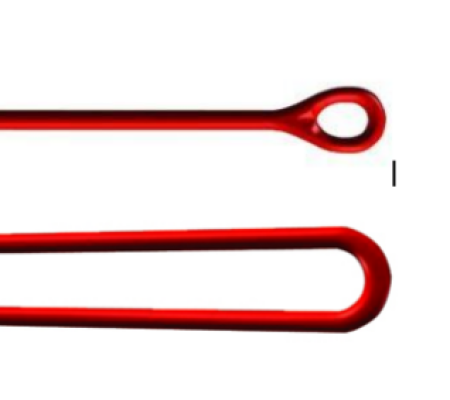
In oil and gas well operations, the Elevator Link is an essential wellhead tool used to connect the traveling system to the elevator, enabling the lifting, lowering, and positioning of tubular strings. In many field applications, operational issues are not caused by insufficient strength of the elevator link, but by an improper match between the elevator link length and the available hoisting stroke. This mismatch can reduce efficiency and even create safety risks. This article shares practical tips on how to properly match elevator link length with stroke in real working conditions.
Why Does Elevator Link Length Matter for Stroke?
In wellhead operations, the hoisting stroke refers to the effective vertical travel distance of the traveling block or hoisting system during one operation cycle. As a connecting component, the length of the elevator link directly affects the starting height and lowest working position of the elevator.
If the elevator link length is not properly selected, several problems may occur. An overly long elevator link can cause the elevator to approach the wellhead or ground structures too closely when lowered, leaving limited operating space. Conversely, an elevator link that is too short may prevent full utilization of the available stroke during lifting operations.
Therefore, the elevator link length should not be chosen arbitrarily. It must be carefully matched to the actual hoisting stroke.
Common Problems Caused by Overly Long Elevator Links
In practice, some operators prefer longer elevator links for perceived versatility. However, this approach often creates more issues than benefits.
When the elevator link is too long, the elevator may come dangerously close to the wellhead equipment or platform at the lowest point, increasing the risk of collision and reducing safe operating clearance. In addition, longer elevator links tend to swing more during movement, which can pose additional safety hazards for personnel and equipment.
From an efficiency perspective, an excessively long elevator link also wastes effective hoisting stroke, slowing down pipe handling operations.
Risks of Using Elevator Links That Are Too Short
Elevator links that are too short can also cause operational difficulties. A common issue is that even when the traveling block reaches its upper limit, the elevator may still not be at an ideal height for connecting or disconnecting tubulars.
In deep wells or operations involving large-diameter tubulars, short elevator links can lead to frequent adjustments of the hoisting system, increasing labor intensity and reducing overall operational efficiency.
Practical Tips for Matching Elevator Link Length with Stroke
To achieve optimal performance, several practical considerations should be applied during selection and use.
First, determine the actual usable hoisting stroke, rather than relying solely on the theoretical maximum stroke. The height of wellhead equipment, safety clearances, and operational margins must be taken into account.
Second, consider the typical tubular sizes and operating procedures. Define the ideal working heights of the elevator at both the highest and lowest positions, then calculate the appropriate elevator link length accordingly.
Third, for operations involving multiple well types or working conditions, it is advisable to prepare elevator links of different lengths rather than relying on a single universal size. This approach improves adaptability and operational flexibility.
Length Selection for Different Operating Conditions
For shallow wells or standard operations with ample stroke, a medium-length elevator link usually provides a good balance between safety and efficiency.
For deep wells or heavy-load operations, precise matching between elevator link length and stroke becomes more critical, as it helps minimize wasted lifting distance and improves control.
In locations where wellhead space is limited, overly long elevator links should be avoided to maintain sufficient operating clearance and ensure safe handling.
Additional Factors to Consider Beyond Stroke
While stroke matching is essential, elevator link length selection should also consider other system-level factors, including the structure of the traveling system, elevator type and size, wellhead platform height, and established operating practices and safety standards.
Only by evaluating the entire hoisting system can the elevator link perform reliably as part of the wellhead tool assembly.
Conclusion
As a critical wellhead tool, the length of the Elevator Link directly affects hoisting stroke utilization, operational safety, and overall efficiency. Elevator links that are too long or too short can both create avoidable problems during field operations.
By accurately assessing site-specific stroke conditions and matching elevator link length to actual operational requirements, operators can reduce unnecessary adjustments, improve safety, and achieve more stable and efficient wellhead operations. These seemingly small details often play a decisive role in successful oil and gas field work.