With the increasing complexity of industrial equipment operating environments, the importance of sealing technology is becoming increasingly prominent. Sealing is not only a key link in ensuring the normal operation of mechanical equipment, but also an important means of preventing media leakage, reducing environmental pollution, and extending equipment life. In sealing systems, secondary seals, as auxiliary and protective components to primary seals, are crucial for equipment reliability due to their standardization. Secondary sealing standards cover multiple aspects, including design specifications, material selection, installation requirements, and performance testing, aiming to ensure that secondary seals can perform their due protective function during long-term operation while extending the service life of primary seals.
Design Specifications for Secondary Sealing Standards
Clear Functional Positioning
The core function of secondary seals is to assist primary seals, forming dual protection. Design standards require secondary seals to effectively prevent external impurities from entering the sealing area, while delaying media leakage in the event of primary seal failure. Its design objectives should be clearly defined to ensure the sealing system maintains reliability under different operating conditions.
Structural Design Specifications
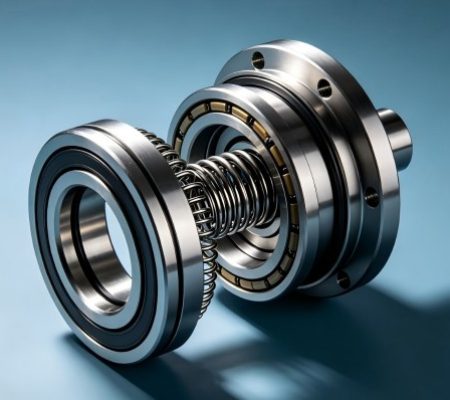
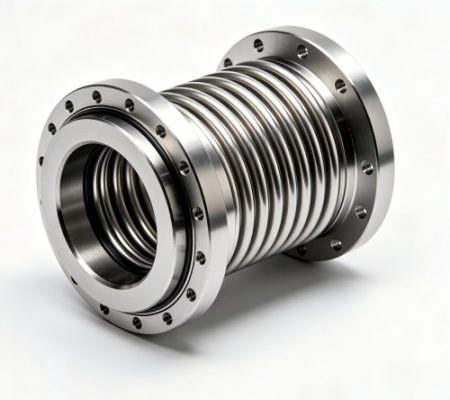
Structurally, secondary seals should possess good elasticity and adaptability to compensate for minor displacements and vibrations during equipment operation. The standard stipulates that the dimensions, shape, and compressibility of the seals must be rigorously calculated to ensure a tight seal without excessive stress, preventing premature wear or failure. The structural design should also consider ease of installation and maintenance, allowing for quick replacement or adjustment during equipment maintenance.
Material Selection Requirements
Materials are a crucial component of the secondary sealing standard. The standard requires that the materials used must possess wear resistance, aging resistance, and a certain degree of corrosion resistance, while also having a certain adaptability to temperature and pressure changes. Commonly used materials include high-performance rubber, fluororubber, polyurethane, and composite materials, which must be selected based on the equipment’s operating conditions. The material standard also covers performance indicators such as hardness, elastic modulus, and chemical stability to ensure the secondary seal maintains reliable performance during long-term operation.
Performance Requirements of the Secondary Sealing Standard
Sealing Reliability
The secondary sealing standard requires the sealing system to effectively prevent external contaminants from entering the sealing area under different pressure, temperature, and media conditions, while providing auxiliary protection in the event of leakage from the primary seal. Performance testing should include leakage rate determination, pressure resistance testing, and long-term aging experiments to ensure the reliability of the seals in actual operation.
Durability and Lifespan
The standard emphasizes that secondary seals should have a long service life and be able to delay the wear of primary seals to a certain extent. Durability indicators include material aging time, frictional wear, and elasticity retention rate, which are used to evaluate the performance stability of the seal under long-term use conditions.
Safety and Environmental Adaptability
The secondary seal standard also requires the sealing system to operate stably in high-temperature, low-temperature, humid, or corrosive media environments, while preventing the release of harmful substances from the sealing material, meeting safety and environmental protection requirements. Extreme operating conditions must be simulated during the design and testing process to ensure the overall safety of the equipment.
Requirements for secondary sealing installation
Installation Accuracy Requirements
The standard stipulates that secondary seal installation must ensure uniform stress on the seal and a tight, gapless contact surface. During installation, care must be taken to avoid scratches, deformation, or stress concentration to ensure the sealing function is performed effectively.
Maintenance and Replacement Specifications
The secondary seal standard also includes maintenance cycles and replacement methods. During maintenance, the wear, elasticity decay, and aging of the seal should be checked regularly, and the seal should be replaced promptly according to the standard requirements to ensure the continuous and reliable operation of the sealing system. The standard also recommends establishing maintenance records to track the lifespan and performance changes of the seals.
The secondary seal standard covers four main aspects: design specifications, material selection, performance requirements, and installation and maintenance. Its core objective is to provide effective protection for the primary seal, thereby improving the safety and reliability of equipment operation. Through rigorous standardized design, the secondary seal not only blocks external contaminants and extends the life of the primary seal, but also copes with changes in temperature, pressure, and chemical media under complex operating conditions. A scientific secondary seal standard helps to unify manufacturing requirements, guide engineering design and maintenance practices, and ensure the long-term stable operation of equipment. In modern industrial equipment, the secondary seal, as an auxiliary protection system, directly affects the operational safety and economy of the equipment due to its level of standardization.