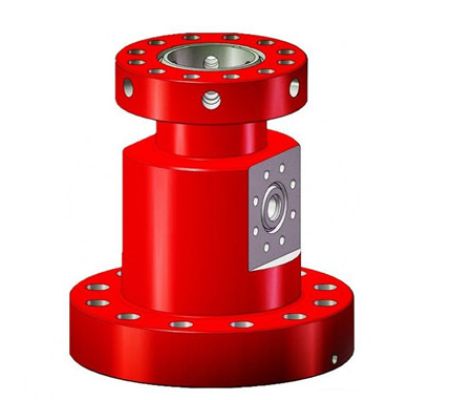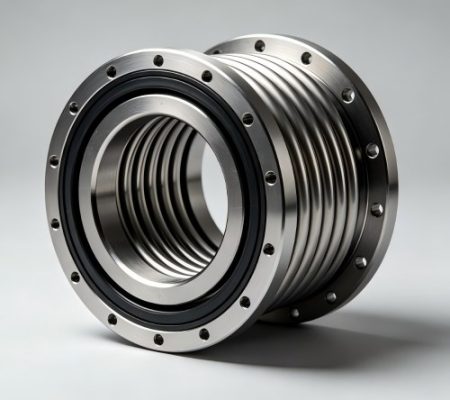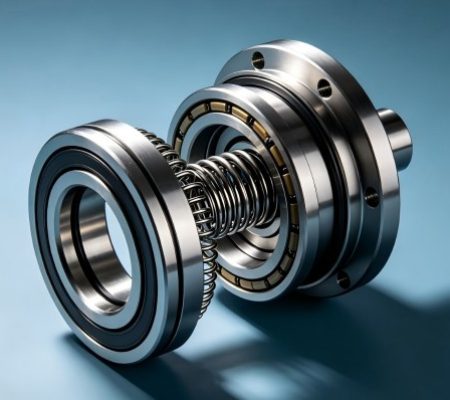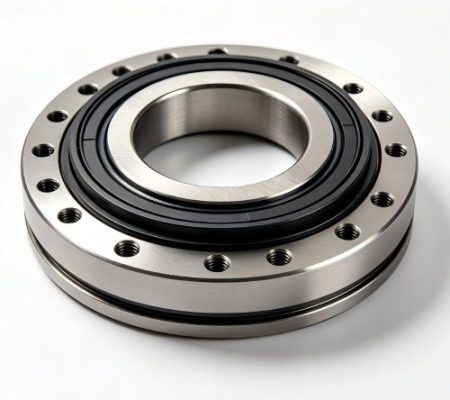
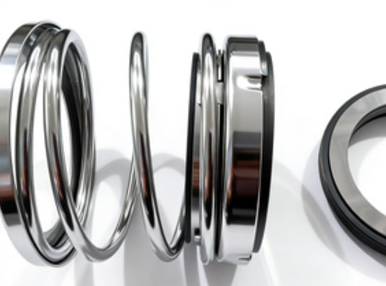
Mechanical seals, as key components in rotating equipment to prevent media leakage, directly impact equipment safety, production stability, and operating cost control. Under high temperature, high pressure, and high speed conditions, the sealing face often bears significant frictional heat and thermal stress. If heat cannot dissipate in time or the temperature distribution on the face is uneven, thermal cracks may occur in the material, leading to seal failure or even equipment shutdown. Thermal cracking not only affects sealing performance but can also trigger more serious equipment accidents, causing direct economic losses and safety hazards to industrial production. Preventing thermal cracking is one of the core tasks in the design and operation management of mechanical seals. It involves not only material selection and structural design but also factors such as lubrication, cooling, pressure control, and optimization of operating parameters.
Selecting HighTemperature Resistant Sealing Materials
Temperature cracking of the face is often related to a mismatch in the coefficients of thermal expansion of the materials, insufficient thermal strength, or poor thermal conductivity. Therefore, the risk of thermal cracking should first be reduced at the material level. Common strategies include:
High thermal conductivity materials: Materials such as silicon carbide and graphitereinforced ceramics can effectively conduct heat from the end face to the cooling system, reducing localized temperature rise.
Matching thermal expansion: The materials of the rotating and stationary rings should have similar coefficients of thermal expansion to avoid stress concentration caused by temperature differences.
Good heat resistance and toughness: Selecting materials that retain a certain degree of toughness at high temperatures can improve the end face’s ability to withstand temperature changes and reduce the risk of cracking.
Through appropriate material selection, the possibility of hot cracking can be controlled at its source, which is a fundamental measure to prevent end face hot cracking.
Optimizing the Sealing Structure Design
The structural design of the mechanical seal end face directly affects heat generation and distribution. Key design strategies include:
Reducing end face specific pressure: By using a balanced or partially balanced structural design, the axial hydraulic pressure on the end face can be reduced, lowering frictional power consumption.
Increasing lubrication and fluid channels: Designing cooling grooves or flushing fluid channels around the end face helps to quickly remove frictional heat.
Endface geometry optimization: Appropriately adjusting the contact width, chamfer, and microgap between the moving and stationary rings can improve heat distribution and reduce localized hightemperature zones.
A scientific structural design ensures uniform stress and reasonable heat distribution on the end face, effectively reducing the risk of thermal cracking.
Ensuring Adequate Lubrication and Flushing
Lubrication is a crucial means of preventing endface thermal cracking. Friction at high speeds or pressures generates significant heat. Flushing fluid and lubricating fluid can form a liquid film, reducing direct frictional contact and lowering endface temperature rise. Specific measures include:
Using a suitable flushing fluid: Selecting a liquid with moderate viscosity and good thermal conductivity as the flushing medium to ensure endface lubrication and heat exchange.
Controlling flushing pressure and flow rate: The flushing fluid should form a stable liquid film while effectively removing heat, avoiding uneven endface temperature caused by insufficient or excessive flushing.
Regular maintenance of the flushing system: Keeping the flushing pipeline unobstructed to prevent blockage by deposits and ensure continuous and effective cooling and lubrication.
Through the synergistic effect of lubrication and flushing, endface frictional heat can be significantly reduced, decreasing the probability of thermal cracking.
Controlling Equipment Operating Parameters
Temperature cracking at the sealing face is related not only to the sealing structure and materials but also closely to actual operating conditions. Reasonable control of operating parameters is a crucial measure to prevent thermal cracking:
Reduce Startup and Shutdown Shocks: Highspeed starts or sudden stops can cause a sudden increase in frictional power at the sealing face, generating localized high temperatures. A gradual startup and shutdown strategy should be adopted.
Control Speed and Pressure Ranges: Ensure that the operating speed and pressure are within the allowable range of the seal design, avoiding overload operation.
Smooth Load Operation: Avoid rapid load fluctuations that cause sudden changes in thermal stress. Reduce the temperature gradient at the sealing face through uniform operation.
Scientific operation management can mitigate transient thermal shocks at the sealing face, ensuring longterm reliable operation of the seal.
Auxiliary Cooling and Thermal Balance Measures
Under extreme hightemperature conditions, materials and lubrication alone may be insufficient to prevent thermal cracking. Auxiliary cooling measures are required:
External Cooling Systems: Such as cooling water jackets and cooling oil circuits, which can reduce the overall temperature of the sealing cavity.
Internal Circulation Cooling: Internal flushing fluid circulation removes heat from the sealing face, achieving thermal balance.
Temperature monitoring and feedback: Realtime monitoring of the end face temperature allows for dynamic thermal control by adjusting the flushing flow rate or pressure.
Auxiliary cooling measures further reduce end face thermal stress and improve the thermal stability of the sealing system.
Preventing mechanical seal end face thermal cracking: Selecting materials with high thermal conductivity and good heat resistance and toughness can reduce thermal stress; optimized structural design can improve heat distribution and stress balance; sufficient lubrication and flushing fluid can reduce frictional heat generation and remove existing heat; reasonable operation management can reduce transient thermal shock; auxiliary cooling and temperature control further ensure end face thermal balance. In practical engineering, a single measure is insufficient to completely eliminate the risk of end face thermal cracking; only through the coordinated application of multiple methods can the longterm reliability of the sealing end face and the safe operation of the equipment be truly guaranteed.