In the grand narrative of energy development, well control acts as an invisible guardian, silently maintaining the safety baseline of oil and gas extraction. It is not only an art of pressure balancing at the technical level, but also a systematic engineering project concerning human lives, environmental safety, and the sustainable use of resources. From onshore oil fields to offshore platforms, from conventional oil and gas to unconventional resources, well control technology has always been the industry’s core safety barrier.
The Essence of Well Control
The core of well control lies in controlling formation pore pressure through technical means to maintain a dynamic balance between the fluid column pressure within the wellbore and the formation pressure. This balance is as delicate as walking a tightrope: when the formation pressure is higher than the wellbore pressure, fluids such as oil, gas, and water may invade the wellbore, cusing overflows, well kicks, or even blowouts; conversely, when the wellbore pressure is too high, it may fracture the formation, resulting in resource waste or environmental damage.
Taking basic well control as an example, it adjusts the density of the workover fluid to make the fluid column pressure slightly higher than the formation pressure, forming a ‘liquid shield’ to prevent fluid intrusion. A well kick occurred on an offshore platform due to insufficient workover fluid density caused by missing geological data. The situation was ultimately resolved by injecting high-density kill fluid. This case illustrates the ‘prevention first’ principle of primary well control—nipping risks in the bud through precise calculations and real-time monitoring.
Tiered Control
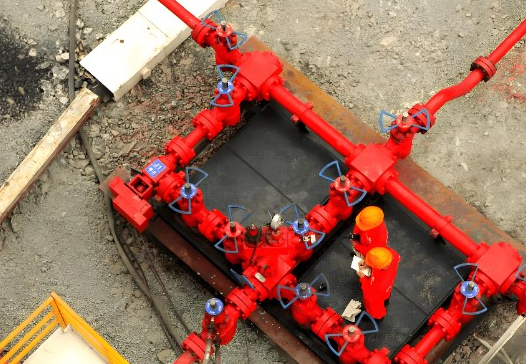
To address well kick risks of varying scales, the industry has established a three-tiered well control system, forming a complete chain from prevention to emergency response: Tier 1 Well Control (Primary Control): This directly balances formation pressure through fluid column pressure, achieving a ‘zero intrusion’ target. A desert oilfield employed an intelligent drilling fluid system to monitor parameters such as density and viscosity in real time, and, in conjunction with an automatic choke manifold, reduced the incidence of blowouts. Key equipment such as blowout preventer assemblies and liquid-gas separators require regular pressure testing to ensure reliable performance. In one well, a well kick occurred due to tripping in pumping fluid; on-site personnel completed well shut-in operations within 15 seconds and well kill operations within 3 hours, preventing the accident from escalating.
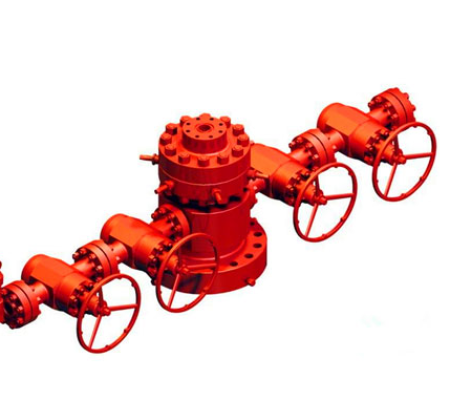
Level 2 Well Control (Emergency Response): When formation fluid breaches the primary defense line, the blowout preventer (BOP) must be immediately shut off. Back pressure should be established using surface equipment, and well control operations should be coordinated to restore balance. For shale gas wells, a ‘risk-based management’ system is implemented: high-risk wells are equipped with dual BOP sets, medium-risk wells are monitored 24/7, and low-risk wells undergo enhanced daily inspections. In one instance, a well encountered a high-pressure zone, triggering a well kick. The well was quickly shut off using a remote control system, and well control was achieved using the ‘driller’s method,’ successfully controlling the situation.
Level 3 Well Control (Disaster Relief): In extreme situations such as uncontrolled well blowouts, cross-departmental emergency plans must be activated. After a well blowout and fire occurred on an offshore platform, the rescue team successfully sealed the well by cutting off water injection in adjacent wells, deploying firefighting equipment, and implementing ‘top-drive grouting’ technology. Such operations often require the mobilization of multiple resources, including fire, maritime, and medical personnel, testing the company’s emergency command and resource coordination capabilities.
Technological Iteration
With the digital wave sweeping the energy industry, well control technology is undergoing revolutionary changes:
Intelligent Monitoring System: An oilfield developed a blowout early warning device that shortens the blowout identification time through multi-parameter fusion analysis. This device provides early warning when encountering high-pressure zones, preventing a potential blowout.
Remote Control Technology: An offshore platform established a well control command center, enabling remote control of the blowout preventer via a 5G network, reducing emergency response time. In a simulation exercise, the system successfully completed the well shut-in operation within 2 minutes.
Environmentally Friendly Kill Fluid: Addressing the pollution problem of traditional kill fluids, researchers developed a biodegradable base fluid. After its use in a well, the compliance rate of water quality monitoring around the well site improved, achieving a win-win situation for safety and environmental protection.
Management Upgrade
Well control is not only a technical issue but also a management challenge. The ‘full life-cycle well control management’ implemented by a certain oilfield is highly representative:
‘Well Control is Paramount’ Culture: Well control safety is incorporated into the employee performance evaluation system, implementing a ‘one-vote veto’ system. A work team was ordered to suspend operations for rectification until it met standards after failing to conduct blowout preventer (BOP) pressure testing as required.
Full-process control: From geological design to well completion and commissioning, well control checkpoints are set up at every stage. One well was required to supplement and improve its plan before construction could continue because its geological data did not include pressure data from adjacent wells.
Contractor-specific management: Given the high proportion of outsourced teams, all work parties are required to pass well control capability certification. One outsourced team was dismissed for falsifying BOP maintenance records, forcing the industry to develop in a more standardized manner.
Deep in the Taklamakan Desert, a warning monument inscribed with ‘Well Control is Paramount’ stands at the well site. This is not just a slogan, but a survival philosophy of the oil and gas industry—behind every successful well control operation lies a challenge to the limits of technology; behind every improved management system lies a lesson learned in blood. From the precise calculations of primary well control to the life-or-death race against time in tertiary well control, from the technological empowerment of intelligent equipment to a safety culture involving all personnel, well control technology is safeguarding the lifeline of energy security with a more intelligent, systematic, and humane approach.