Centrifuges, commonly used separation equipment in industrial production, are widely applied in chemical, pharmaceutical, food, and environmental protection fields. They achieve solid-liquid or liquid-liquid separation through centrifugal force generated by high-speed rotation, playing a crucial role in improving production efficiency and product quality. However, excessive centrifuge vibration frequently occurs during actual operation, affecting not only normal equipment operation but also potentially shortening equipment lifespan and even causing safety accidents. Therefore, in-depth analysis of the causes of excessive centrifuge vibration and the implementation of effective solutions are of great significance for ensuring production safety and improving production efficiency.
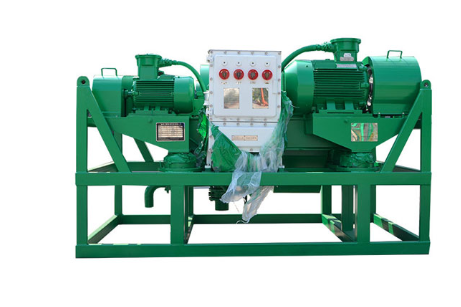
Analysis of the Causes of Excessive Centrifuge Vibration
Rotor Imbalance
Rotor imbalance is the most common cause of excessive centrifuge vibration. Uneven mass distribution may exist in the rotor during manufacturing, or changes in mass distribution may occur during use due to material adhesion, wear, etc., resulting in unbalanced forces. This unbalanced force causes periodic vibration during high-speed rotation, with the vibration amplitude directly proportional to the amount of imbalance.
Bearing Failure
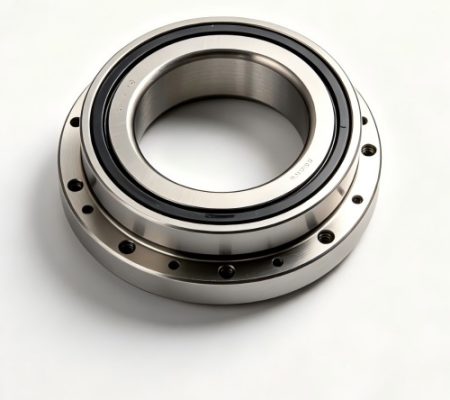
Bearings are the supporting components of the centrifuge rotor, and their condition directly affects the operational stability of the equipment. Bearing failures, such as wear, poor lubrication, or improper installation, can lead to unstable rotor operation and vibration. Vibration is significantly exacerbated when the inner or outer ring of the bearing or the rolling elements are damaged.
Unstable Installation Foundation
The stability of the centrifuge’s installation foundation is crucial for equipment operation. If the foundation is not solid, uneven, or loose, the equipment will generate additional vibrations during operation. These vibrations will be superimposed on vibrations caused by rotor imbalance, making the vibration problem even more severe.
Uneven Material Distribution
Uneven material distribution within the centrifuge drum during operation will lead to uneven rotor stress, resulting in vibration. Causes of uneven material distribution may include uneven feeding, significant differences in material properties, and an unreasonable drum design.
Drive System Problems
Faulty or improperly installed components of the drive system, such as the motor, belt, and coupling, can also cause centrifuge vibration. For example, unstable motor speed, loose or worn belts, and misaligned couplings can all lead to unstable rotor operation and vibration.
Solutions to Excessive Centrifuge Vibration
Rotor Balancing Correction
To address rotor imbalance, regular rotor balancing correction should be performed. A professional balancing machine can be used to perform dynamic balancing tests on the rotor. Based on the test results, mass can be added or removed from the rotor to eliminate unbalanced forces. For rotors that cannot be disassembled, on-site balancing techniques can be used, adjusting the balance by installing balance weights on the rotor.
Bearing Maintenance and Replacement
Strengthen bearing maintenance, regularly checking the bearing lubrication status to ensure sufficient and clean lubricating oil. Severely worn bearings should be replaced promptly to prevent further damage. Simultaneously, during bearing installation, strict adherence to installation specifications is essential to ensure correct and secure installation.
Stabilize the Installation Foundation
Reinforce the centrifuge’s installation foundation, ensuring it is solid, level, and free of looseness. Concrete pouring or adding supporting structures can improve foundation stability. During equipment installation, use tools such as a level to ensure the equipment is installed horizontally, preventing vibration caused by tilting.
Optimize Material Distribution
Improve material distribution within the centrifuge drum by improving feeding methods, adjusting material properties, and optimizing drum design. For example, using a uniform feeding device, controlling material particle size distribution, and optimizing the drum structure can ensure even material distribution and reduce vibration caused by uneven material distribution.
Inspect and Maintain the Drive System
Regularly inspect the drive system’s operating status, including motor speed, belt tension, and coupling alignment. Repair or replace any problems promptly. For example, adjust motor speed, replace loose or worn belts, and correct couplings to ensure proper drive system operation and reduce vibration caused by drive system issues.
Excessive centrifuge vibration is a complex and common problem, caused by multiple factors including rotor imbalance, bearing failure, unstable installation foundation, uneven material distribution, and drive system problems. Effectively addressing this issue requires a comprehensive approach from multiple angles. By regularly performing rotor balancing, strengthening bearing maintenance and replacement, stabilizing the installation foundation, optimizing material distribution, and inspecting and repairing the drive system, the vibration level of the centrifuge can be significantly reduced, ensuring the normal operation of the equipment and production safety.