The float valve (Sub) is a crucial connection and control component in drilling tool systems, commonly used in downhole workpiece structures. It works in conjunction with the float valve to achieve fluid control, backflow prevention, and tool string connection stability. Many people, when understanding the float valve structure, focus primarily on the float valve itself, neglecting the role of the Sub as a supporting component. In reality, the float valve (Sub) not only performs a connection function but also relates to system operational stability and downhole operation safety.
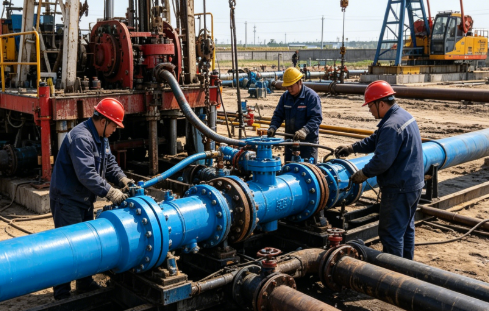
The Float Valve (Sub) Performs Connection and Installation Functions
The most basic function of the float valve (Sub) is as a connecting component, structurally linking the float valve to other components of the drilling tool system. Due to the complex structure of downhole tool strings, different components need to maintain dimensional compatibility and stable mechanical connections. The Sub plays a critical transitional role in this process. Through proper design, the float valve (Sub) ensures correct float valve installation and maintains the continuity of the overall structure. An unstable connection structure may affect the valve’s operating status or even cause operational abnormalities.
Assisting in Backflow Control and Pressure Management
One of the important functions of a float valve system is to prevent abnormal backflow of downhole fluids. The Sub, as an accessory structure, affects the effectiveness of this function. By working in conjunction with the valve body, the Sub helps the fluid flow along a predetermined path within the system and maintains pressure transmission stability. In complex downhole environments, this auxiliary control is of practical significance for maintaining operational continuity. When the structure is properly matched, the backflow prevention effect is usually more stable.
Supporting Stable Operation of the Tool String
The float valve Sub is not only a connector but also affects the operational stability of the tool string. Due to vibrations, pressure changes, and complex loads in the downhole operating environment, the Sub needs sufficient mechanical properties to ensure the overall system’s reliable operation.
- Provides a stable connection, reducing the risk of structural loosening.
- Assists in maintaining fluid channel continuity.
- Improves the stability of the connection under high-pressure environments.
- Reduces the impact of dynamic loads on the valve body.
- Supports the long-term operational reliability of the tool string.
These functions determine that the float valve Sub is not a simple accessory but an indispensable part of the system.
Material and Structural Design Affects Adaptability
The performance of the float valve (Sub) also depends on the choice of materials and structural design. Downhole environments often involve high pressure, high temperature, and corrosion risks; therefore, the Sub typically needs to possess high strength and durability. Structural dimensions, threaded connection types, and internal channel design also affect its adaptability. If the design is inappropriate, even if the float valve itself performs well, the overall system operation may be affected. Matching materials and structure is a crucial foundation for ensuring its effectiveness.
Auxiliary Value in Downhole Operation Safety
The role of the float valve (Sub) is not only reflected in connection and fluid control but also in operational safety. Stable structural connections help reduce the risk of abnormal operating conditions, while proper fluid path control helps maintain the balance of downhole operations. For drilling systems, these auxiliary components, although small in size, often play a critical support role. Understanding the role of the float valve (Sub) helps to more accurately assess its value in equipment selection and application, and also contributes to improving the overall system reliability.