In the fields of energy extraction and geological exploration, the complexity of drilling operations requires a highly coordinated system of machinery. Drilling equipment is not a single machine, but a complete engineering system composed of multiple functional units, each playing a critical role at different stages of operation. From power supply to downhole safety control, these modules work together to support high-load and continuous drilling conditions. Understanding these components helps clarify how drilling systems operate and reveals the technical foundation behind efficient drilling projects.
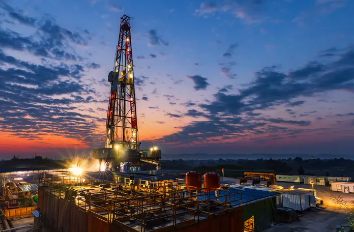
Drilling Rig Power and Transmission System
Power generation and energy distribution form the foundation for continuous system operation.
- Power unit: Typically consists of diesel engines or electric motors, providing the primary energy source for the entire drilling system and serving as its core driving force.
- Energy transmission mechanism: Gears, chains, and hydraulic systems distribute power to different working units, ensuring stable and efficient energy delivery.
- Operation control module: Adjusts output power and operating conditions, allowing the equipment to adapt to different formations and drilling requirements.
Hoisting and Rotary System
In actual drilling operations, rock breaking and penetration rely heavily on these mechanical structures.
- Hoisting mechanism: Composed of a drawworks and wire rope system, responsible for lifting and lowering heavy components such as drill strings and casing.
- Rotary drive device: Uses a rotary table or top drive system to rotate the drill pipe, enabling the drill bit to continuously cut through rock formations.
- Drill string assembly: A series of connected drill pipes that transmit torque while also bearing axial loads during operation.
Circulation and Well Control System
Maintaining downhole stability and ensuring operational safety depends on these control and protection systems.
- Drilling fluid circulation system: Uses mud pumps to circulate drilling fluid to the bottom of the well, cooling the drill bit, carrying cuttings, and stabilizing the borehole.
- Solid-liquid separation equipment: Includes shale shakers, desanders, and centrifuges that remove solid particles from drilling fluid.
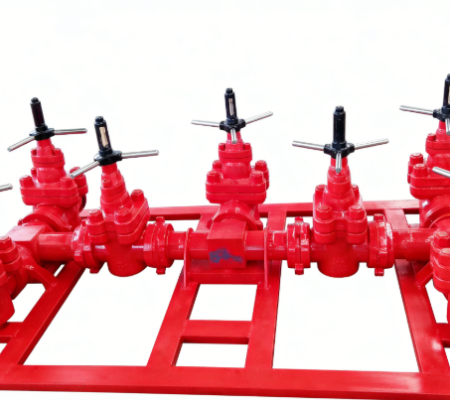
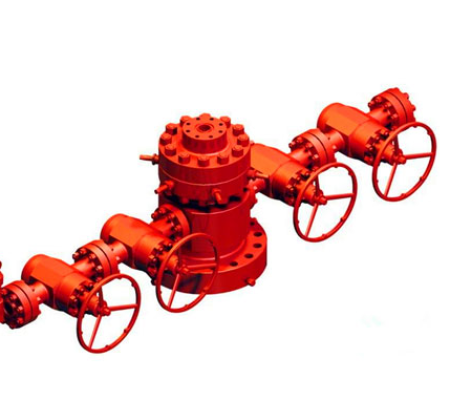
- Pressure protection device: Centered on the blowout preventer (BOP), it quickly seals the well in case of abnormal pressure to prevent blowout accidents.
Auxiliary and Safety Support Systems
In addition to core drilling functions, supporting systems ensure continuous and safe operations.
- Power supply system: Provides stable electricity to the entire drilling platform, ensuring uninterrupted operation of all subsystems.
- Compressed air system: Drives pneumatic tools and provides auxiliary power while also supporting cleaning and operational assistance.
- Real-time monitoring system: Continuously tracks pressure, flow rate, and equipment status to enable early warning and safety management.
Drilling equipment represents a highly integrated engineering system, where its value lies not only in individual components but also in the efficiency of coordination between subsystems. Only when power delivery, mechanical execution, and safety control form a stable closed loop can drilling operations achieve both efficiency and reliability. As the industry continues to advance, system-level understanding and integrated technical solutions are becoming key drivers of performance improvement and competitive advantage in the drilling equipment sector.