In mining, tunneling, and underground resource development, inclined shaft drilling rigs are being used more and more widely. Compared with vertical drilling, inclined shaft construction requires much higher angle control accuracy. Once deviation becomes too large, it can affect construction precision and even cause the borehole direction to go out of control. Therefore, how to precisely control the drilling angle has become an important indicator of both rig performance and construction quality. Modern engineering achieves more stable and reliable angle control through the combination of mechanical structures, hydraulic systems, and intelligent control technologies.
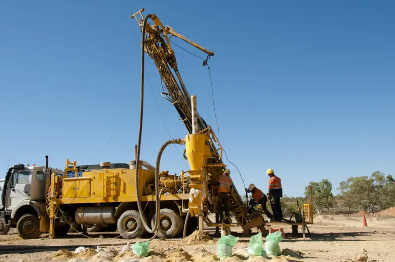
Basic Angle Control Through Mechanical Structure
The angle control of inclined shaft drilling rigs first depends on a stable mechanical structure design, which forms the foundation of accurate drilling.
- The base and frame adopt high-strength structures to ensure overall stability and prevent shifting
- The guide rail system can adjust the initial drilling angle according to construction requirements
- The drill rod connection structure uses high-precision fitting to reduce rotational deviation
- Support devices improve vibration resistance and reduce external interference
Mechanical structure determines the basic accuracy level of angle control.
Dynamic Adjustment Using Hydraulic Systems
Hydraulic systems are the key power source for real-time angle adjustment in inclined shaft drilling rigs.
- Hydraulic cylinders precisely control the pitch angle of the rig for fine adjustments
- Hydraulic control valves regulate pressure output to ensure smoother drilling operations
- The system can automatically adjust thrust and angle according to formation resistance changes
- Maintains stable and continuous angle control under complex working conditions
- Compared with mechanical adjustment, response is faster and control is more precise
Hydraulic systems enable dynamic and adjustable drilling angles.
Real-Time Monitoring and Feedback with Sensors
Modern inclined shaft drilling rigs increasingly rely on sensor technology to ensure angle accuracy.
- Inclination sensors detect deviations between the drill rod and the designed angle in real time
- Depth and trajectory monitoring systems record borehole path changes simultaneously
- Control systems automatically correct drilling direction based on feedback data
- Effectively reduces cumulative errors in long-distance drilling operations
- Improves continuity and accuracy of the overall drilling trajectory
Real-time monitoring is a key guarantee for high-precision control.
Optimizing Drilling Parameters for Angle Control
In addition to equipment structure, drilling parameter adjustment directly affects angle stability.
- Proper drilling pressure prevents bit deviation caused by excessive force
- Adjusting rotational speed reduces vibration impact on drilling direction
- Feed speed is optimized according to different rock formations
- Torque output is controlled to maintain smooth drilling performance
- Dynamic adjustment is especially important in alternating soft and hard formations
Scientific parameter management significantly improves angle control performance.
Intelligent Control Systems for Higher Precision
With the development of automation technology, intelligent systems have become an essential part of inclined shaft drilling rigs.
- Automatic control systems adjust rig posture based on real-time data
- Intelligent algorithms predict formation changes and correct drilling direction in advance
- Remote monitoring systems improve safety in complex environments
- Data analysis systems optimize overall drilling path planning
- Reduce human operational errors and improve consistency
Intelligent technology is pushing angle control toward higher precision.
Angle control in inclined shaft drilling rigs is a comprehensive engineering system that integrates mechanical structure, hydraulic adjustment, real-time monitoring, and intelligent control. From basic structural stability to dynamic adjustment capability, and from manual experience-based operation to data-driven intelligent management, each part works together to ensure drilling trajectory accuracy. As mining and underground engineering continue to develop toward deeper and more complex formations, angle control technology for inclined shaft drilling rigs is also constantly evolving. In the future, more precise and intelligent control systems will further improve construction efficiency and safety, providing more reliable technical support for modern engineering projects.