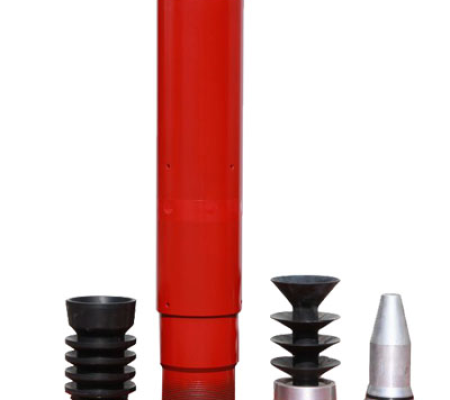
Cement plugs are important downhole tools commonly used in drilling and cementing operations. They are primarily used to isolate well sections, seal passageways, and control fluid flow within the well. During oil and gas well construction, cement plugs improve wellbore stability and provide a reliable foundation for subsequent operations. Improper cement plug placement can easily affect cementing quality and even lead to abnormal downhole pressure. Therefore, understanding the function of cement plugs is crucial.

Cement plugs isolate downhole formations
During drilling, pressure differences often exist between different formations. If well sections are not effectively isolated, fluid cross-contamination or pressure imbalance can easily occur. Cement plugs form a stable sealing layer inside the wellbore, thereby preventing fluid flow between different formations. By properly positioning the cement plug, wellbore sealing performance can be effectively improved, reducing the risk of downhole fluid cross-contamination. For complex well conditions or high-pressure formations, a stable sealing effect improves overall operational safety and provides a more stable downhole environment for subsequent operations.
Cement Plugs Help Control Well Pressure
Downhole pressure control is a crucial aspect of drilling operations, and cement plugs play a key role in pressure regulation.
- They can prevent abnormally high-pressure fluids from entering the wellbore.
- They help reduce the risk of blowouts.
- They can stabilize the circulating pressure inside the well.
- They reduce pressure interference between different formations.
- They facilitate safe subsequent construction.
By properly applying cement plugs, well pressure can be kept more stable.
Cement Plugs Improve Cementing Quality
During cementing operations, cement plugs help control the flow path of cement slurry, improving cementing quality. Without a good isolation structure, cement slurry may not accurately reach the target well section, affecting the sealing effect. Cement plugs can reduce cement slurry mixing and improve the sealing performance between the wellbore and the casing. For complex well sections, proper use of cement plugs can improve cement return and reduce problems such as leakage or channel formation later. A stable cementing structure also helps extend the service life of oil and gas wells.
Cement Plugs Can Be Used in Downhole Repair Operations
Cement plugs also play an important role in downhole repair or plugging operations.
- They can be used to plug abandoned well sections.
- They can repair downhole leakage areas.
- They help isolate damaged formations.
- They can prevent further fluid flow.
- They are suitable for handling complex well conditions.
Repairing downhole problems with cement plugs can reduce the risks of subsequent construction and improve wellbore stability.
Proper Construction Leads to Better Results
The actual effect of cement plugs is not only related to the materials but also closely related to the construction process. Inaccurate positioning, unstable cement slurry properties, or insufficient circulation during construction can all affect the final plugging effect. Before construction, it is necessary to design cement plug parameters reasonably based on well depth, formation pressure, and well diameter conditions, while controlling the cement slurry density and setting time. Maintaining stable circulation during construction can also reduce downhole sedimentation and slurry mixing problems. Through standardized construction management, cement plugs can play a more stable and reliable role in drilling and cementing operations.