In drilling engineering operations, mechanical drilling rigs are core pieces of equipment, and their operating stability directly affects construction progress and safety. Once a failure occurs, it may not only cause downtime losses but also create serious safety risks. Therefore, mastering common troubleshooting methods for mechanical drilling rigs is essential for operators and maintenance personnel, as it plays a key role in ensuring drilling efficiency and extending equipment service life.
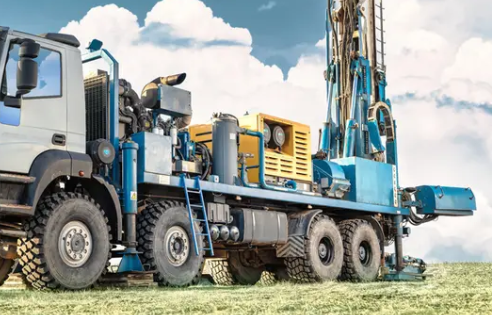
Power System Faults and Troubleshooting Methods
The power system is the core of mechanical drilling rig operation. Any abnormality can directly affect the entire machine’s performance, so systematic inspection must be prioritized.
- Engine starting difficulty: This is usually related to insufficient fuel supply or unstable battery voltage, so fuel lines and battery conditions should be checked.
- Insufficient power output: This may be caused by a clogged air filter or poor fuel quality, requiring cleaning or replacement of relevant components.
- Abnormal engine shutdown: Often related to fuel line blockage or ignition system failure, requiring step-by-step inspection of both fuel and control systems.
- Engine overheating: Usually caused by reduced cooling efficiency, so the radiator and coolant circulation should be inspected.
If power system issues are not handled in time, they may trigger cascading failures.
Hydraulic System Faults and Troubleshooting Methods
The hydraulic system controls key mechanical actions of the drilling rig, and its stability directly affects drilling and lifting accuracy, making continuous monitoring essential.
- Low hydraulic pressure: Usually caused by pump wear or oil contamination, requiring inspection of pump output and replacement of hydraulic oil.
- Slow actuator response: May result from pipeline blockage or valve sticking, requiring step-by-step inspection of the hydraulic circuit.
- Abnormal system noise: Often caused by air entering the system or insufficient oil level, requiring timely bleeding and oil replenishment.
Hydraulic system failures often reduce overall operational precision.
Drilling System Fault Troubleshooting Methods
The drilling system directly performs rock-breaking operations, and any abnormality can significantly reduce drilling efficiency, so analysis must consider load and formation conditions.
- Reduced drilling speed: May be caused by worn drill bits or changes in formation, requiring inspection of bit condition and parameter adjustment.
- Bit sticking (stuck drill): Usually caused by unstable borehole walls or cuttings buildup, requiring mud circulation and drilling pressure adjustment.
- Abnormal torque increase: May be related to drill pipe wear or insufficient lubrication, requiring inspection of connections and lubrication conditions.
Drilling system issues must be evaluated based on on-site conditions.
Electrical Control System Fault Troubleshooting Methods
The electrical system handles control and signal transmission, and failures can affect responsiveness and safety protection functions of the rig.
- Equipment fails to start: Usually caused by circuit disconnection or faulty switches, requiring systematic inspection of wiring connections.
- Control signal failure: May result from sensor damage or poor contact, requiring detailed inspection of signal lines.
- Abnormal instrument readings: Often caused by system interference or module failure, requiring recalibration or component replacement.
Electrical troubleshooting should follow a step-by-step approach from simple to complex.
Daily Maintenance and Preventive Troubleshooting
Regular maintenance can effectively reduce the failure rate of mechanical drilling rigs and improve operational stability and service life, making preventive inspection essential.
- Regular replacement of lubricating oil and filters: Keeps internal components clean and reduces wear and blockage risks.
- Inspection of key connections: Prevents sudden failures caused by loosening or fatigue.
- Establishing operation records: Helps identify potential issues through data trend analysis.
- Regular system-wide inspection: Ensures stable and coordinated operation of all systems.
Preventive maintenance is one of the most effective ways to reduce failure rates.
Mechanical drilling rigs may experience various faults during long-term operation, but with scientific troubleshooting methods and systematic maintenance strategies, equipment stability and operational efficiency can be greatly improved. Only when power, hydraulic, drilling, and electrical systems are fully ensured can the rig operate safely and efficiently, providing reliable support for engineering construction.