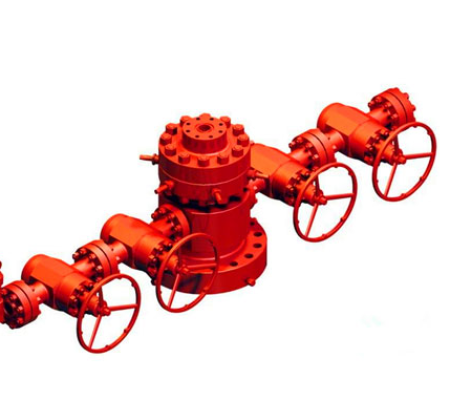
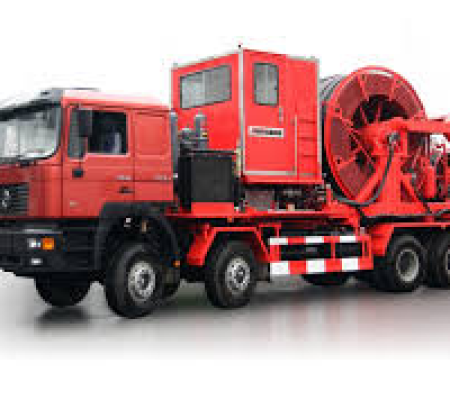
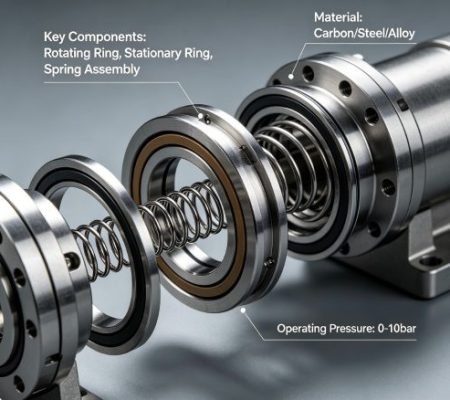
Wellhead tools are essential equipment in oil and gas production, and their proper operation and safety compliance directly affect well control, operational efficiency, and personnel safety. For beginners, understanding the correct operation procedures, precautions, and safety regulations is critical to reduce risks and ensure the stable functioning of the wellhead system. This article provides a detailed overview from tool preparation, operational workflow, safety measures, and post-use inspection and maintenance to help beginners safely and efficiently use wellhead tools.
Tool Preparation and Inspection
Before using wellhead tools, it is crucial to perform a thorough inspection and preparation. Verify that flanges, valves, bolts, and seals are intact, and ensure the pressure rating and material meet wellhead design specifications. Check for damage, corrosion, or loosened components. Prepare necessary auxiliary tools such as wrenches, pullers, and lubricants to ensure that the operation is not compromised. Proper preparation is essential for smooth and safe subsequent operations.
Standard Operational Procedures
Wellhead tools must be operated strictly according to standardized procedures, including installation, opening, adjustment, closing, and disassembly. During installation, ensure all components are correctly positioned and connections are tightened according to specified torque. Open and close valves gradually to avoid sudden pressure surges. When adjusting flow or pressure, first confirm system status and follow step-by-step procedures. Before disassembling, release pressure to ensure the wellhead is in a safe state, preventing accidents due to operational errors.
Safety Measures
Beginners must strictly adhere to safety measures when operating wellhead tools. Wear standard protective gear, including gloves, helmets, protective clothing, and safety glasses, to ensure protection under high-pressure and high-temperature conditions. Keep the work area clean and free of obstructions to prevent slips or injuries from mechanical components. In high-pressure or corrosive environments, ensure emergency devices are in place, and all personnel are familiar with emergency procedures. Following safety regulations is crucial for minimizing risks.
Post-Use Inspection and Maintenance
After using wellhead tools, perform immediate inspection and maintenance. Clean mud, oil, and debris from tool surfaces, check the condition of seals and valves, lubricate moving parts, and document the usage and any issues found. Regular inspection and maintenance not only extend tool lifespan but also ensure safe and reliable operation for future use. Developing good maintenance habits is particularly important for beginners and helps establish standardized operational routines.
Conclusion
For beginners, mastering wellhead tools’ operation procedures and safety regulations is the foundation for safe and efficient work. By performing proper tool preparation and inspection, following standard operating procedures, adhering to safety measures, and conducting post-use maintenance, beginners can effectively reduce operational risks, enhance efficiency, and ensure long-term stability of the wellhead system. As the oil and gas industry continues to evolve, mastering standardized and scientific operational practices will be key for beginners to become professional operators.