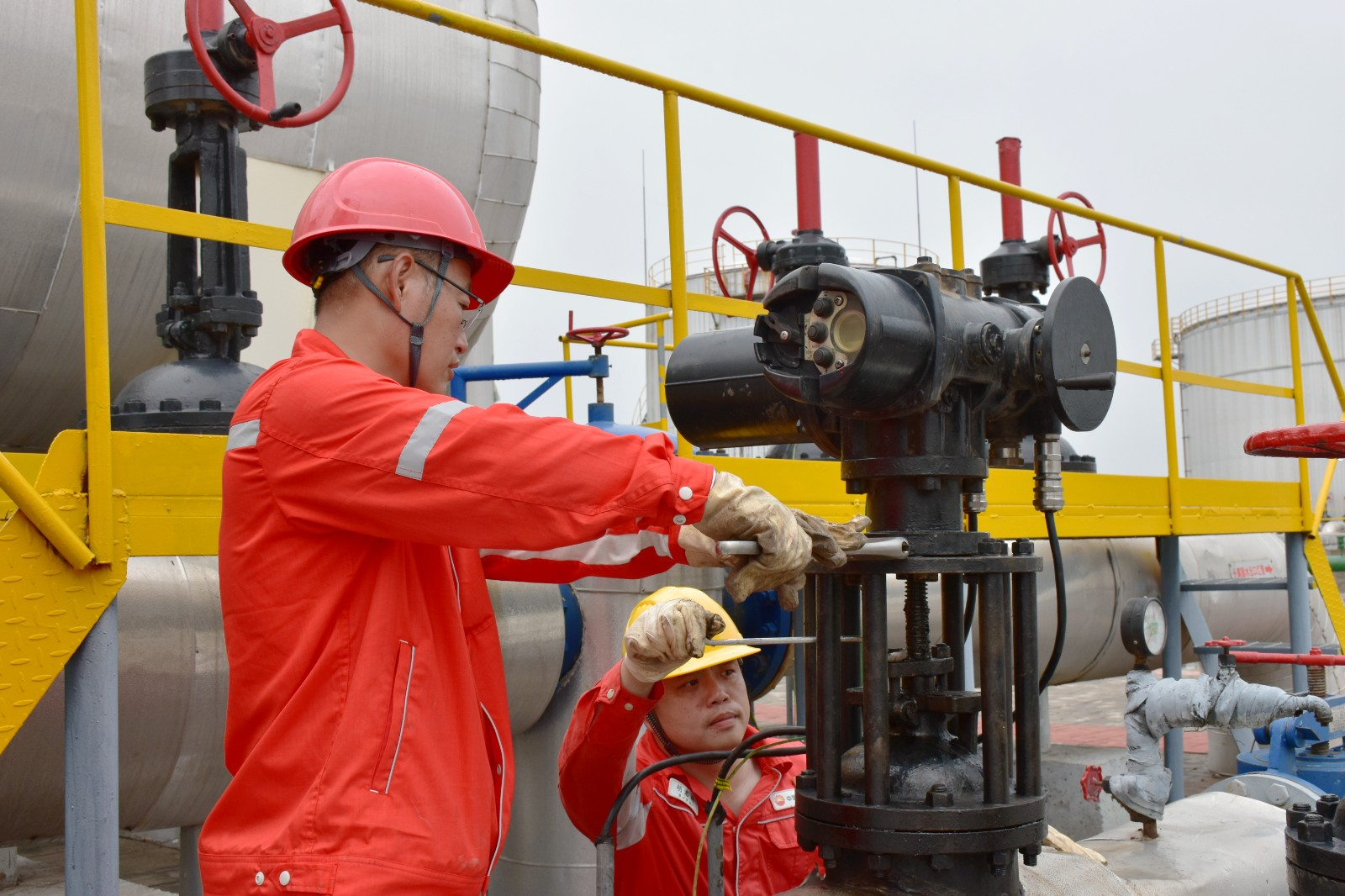
In the field of oil exploration and development, extreme weather acts as an invisible challenger, constantly testing the safety and stability of drilling operations. From scorching deserts to frigid regions blocked by blizzards, from windswept coastlines to thunderstorm-prone plateaus, every type of severe weather can trigger equipment failure, casualties, and even environmental disasters. This article will provide an in-depth analysis of the protection strategies for oil drilling rigs under extreme weather conditions, combining cutting-edge industry practices and technological innovations to build a solid defense for energy security.
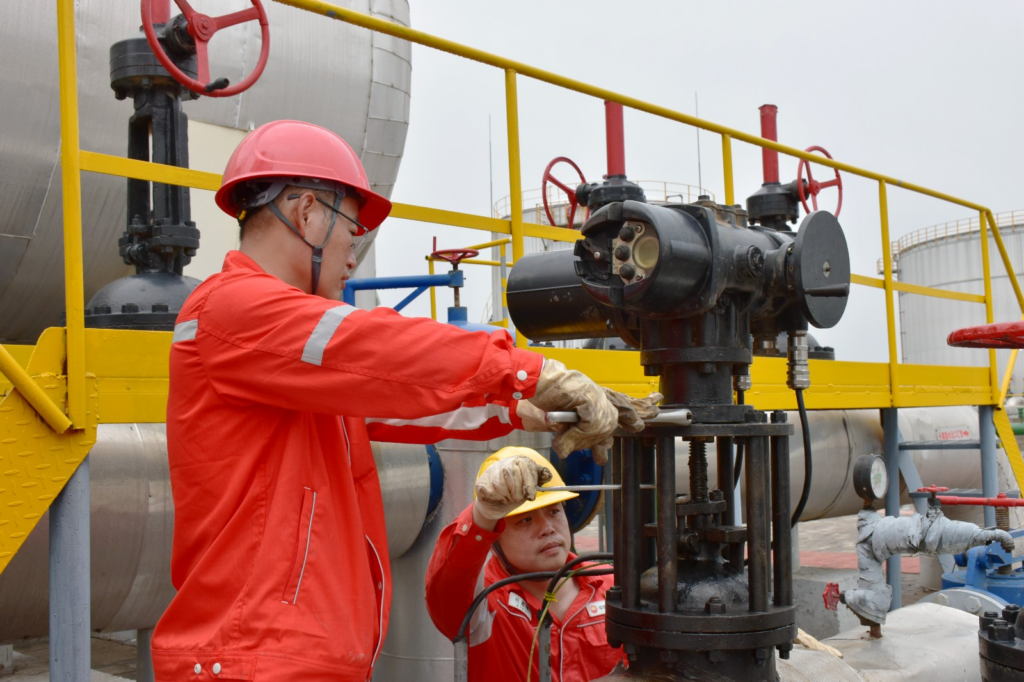
Extreme High Temperatures: From “Peak Avoidance” to Intelligent Temperature Control
When temperatures exceed 40°C, the drilling rig’s cooling system is prone to overheating due to decreased efficiency, causing compressors and reaction devices to operate at excessive temperatures. Shengli Petroleum Engineering Company has implemented a flexible work schedule, scheduling high-intensity operations in the early morning and evening to effectively avoid the high-temperature period. The Tarim Branch has further adopted modular relocation technology in the desert, combined with temperature monitoring points and a four-color risk flag system, immediately suspending non-essential outdoor operations when the red flag is raised. On a technical level, the intelligent temperature control system equipped on the fully hydraulic drilling rig can adjust the hydraulic oil viscosity in real time, preventing damage to the pump shaft oil seal due to excessively thick oil. The neck-hanging fans and cold drink dispensers provided to employees by the Bohai Drilling Beijiang Project Department demonstrate humanistic care in ensuring the health and safety of workers.
The Challenge of Severe Cold: A Technological Revolution in Winter Insulation
In extremely cold environments of -30℃, problems such as difficulty starting diesel engines, hydraulic oil solidification, and brittle fracture of metal components frequently occur. The Puguang Gas Field of Zhongyuan Oilfield, through a “Party building + lightning protection” model, completed the grounding resistance testing of all equipment before winter to ensure that the lightning protection system met standards. The Tarim Branch Company used electric heat tracing technology to insulate oil and gas pipelines, coupled with a “three-level linkage” response mechanism, increasing the frequency of inspections of key components such as electric heat tracing and well control equipment. Regarding equipment maintenance, the widespread use of low-temperature lubricating oil and antifreeze significantly reduced the wear rate of machine parts, while the installation of drilling rig engine preheating devices enabled the equipment to start quickly even in environments of -25℃.
Storms and Heavy Rain: From Structural Reinforcement to Digital Early Warning
When winds exceed level 8, the risks of drilling rig swaying, drill string damage, and derrick tilting increase dramatically. The Santanghu oilfield monitored the situation in real-time and guided inspection workers to move vehicles into the crude oil transfer station’s truck shed for safety. Shengli Petroleum Engineering Company’s Bohai Drilling Corporation successfully addressed flooding caused by heavy rainfall by raising cofferdams, laying impermeable membranes, and using a drainage system composed of pneumatic diaphragm pumps and diesel pumps. Digital technology played a crucial role in this area; the Beidou monitoring system could track transport vehicles in real time, while the EISC intelligent platform could implement dynamic monitoring of key wells on a “one well, one policy” basis, providing early warnings of extreme weather.
Sandstorms and Thunderstorms: From Sealing Protection to Electromagnetic Compatibility
Sandstorms not only contaminate drilling mud and wear down drilling tools, but can also cause differential pressure adhesion and stuck drill bits. Bohai Drilling’s Third Drilling Engineering Company minimized sandstorm damage by adding dustproof covers to equipment and securing the second-level drilling rig. During thunderstorms, the Puguang Gas Field of Zhongyuan Oilfield innovatively adopted a “lightning protection task force” model, led by a veteran Party member with 20 years of experience, to inspect grounding grid hazards, achieving a record of 58 consecutive days with “zero lightning strikes.” Technically, the drilling rig control system has implemented electromagnetic compatibility design, effectively resisting voltage fluctuations caused by lightning strikes, while the application of fiber optic sensing technology further improves equipment monitoring accuracy.
Comprehensive Protection: Building a Full Lifecycle Safety System
Extreme weather protection needs to be implemented throughout the entire lifecycle of the drilling rig. In the design phase, high-altitude drilling rigs solved the starting problem at altitudes of 5000 meters by using turbocharged diesel engines and low-temperature starting devices; in the manufacturing phase, high-strength alloy materials and anti-corrosion coatings extended the equipment’s service life; in the operation and maintenance phase, a predictive maintenance system based on big data can identify potential faults in advance. Shengli Petroleum Engineering Company established an “Eight-Prevention System for the Rainy Season,” covering eight scenarios including heatstroke prevention, electric shock prevention, and flood prevention, forming a closed-loop management mechanism through regular emergency drills and hazard inspections.
Faced with the dual challenges of energy security and climate change, oil rig protection has shifted from reactive response to proactive prevention. Driven by technological innovation, management upgrades, and human-centered care, the industry is building a new safety paradigm adapted to extreme weather. In the future, with the deep application of technologies such as intelligent sensing and digital twins, oil rigs will possess stronger environmental adaptability, providing a more reliable guarantee for global energy supply.